The United States has intensified pressure on Cuba after federal prosecutors announced criminal charges against former Cuban leader Raúl Castro over the 1996 destruction of two civilian aircraft operated by the Miami-based exile organization Brothers to the Rescue.
The indictment, revealed by the U.S. Justice Department on Wednesday, accuses Castro of authorizing the downing of the aircraft, which resulted in the deaths of four people. At the time of the incident, Castro was serving as Cuba’s defense minister. Prosecutors filed charges including murder, conspiracy, and destruction of aircraft, while five former Cuban military pilots were also named in the case.
Speaking during a ceremony in Miami, Acting U.S. Attorney General Todd Blanche said the victims’ families had waited nearly three decades for accountability.
According to U.S. officials, the planes were engaged in humanitarian operations aimed at locating and assisting Cubans attempting to flee the island. The aircraft belonged to Brothers to the Rescue, an exile group known for conducting aerial missions over the Florida Straits during the 1990s.
Trump Administration Signals Tougher Cuba Policy
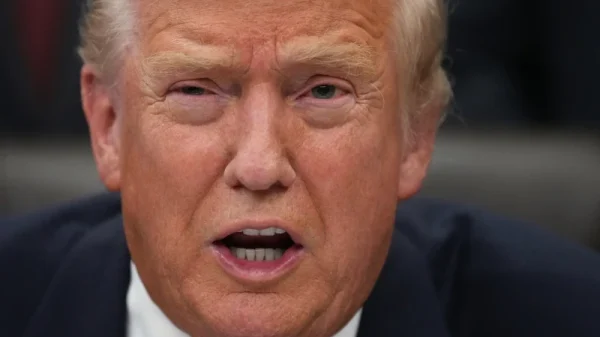
President Donald Trump described the indictment as a significant step, indicating that Washington could continue increasing pressure on Cuba’s communist leadership. Although Trump stopped short of announcing additional military measures, he suggested the U.S. would closely monitor developments.
The case comes amid worsening tensions between Washington and Havana following the capture of former Venezuelan leader Nicolás Maduro earlier this year by U.S. authorities on separate criminal allegations.
Political analysts say the charges against Castro could further isolate Cuba internationally and restrict the former leader’s movements abroad. While Castro is unlikely to voluntarily appear in a U.S. court, the indictment carries severe legal consequences, including the possibility of life imprisonment or capital punishment if convicted.
Cuban Government Rejects Allegations
Cuban President Miguel Díaz-Canel condemned the indictment, calling it politically motivated and accusing Washington of manipulating historical events to justify aggression against Cuba.
In a public statement, Díaz-Canel argued that Cuba had repeatedly warned U.S.-based exile groups against violating Cuban airspace during the 1990s. Cuban authorities have long maintained that the aircraft involved in the incident posed a threat to national sovereignty.
The Cuban government also criticized renewed U.S. rhetoric regarding regime change and economic reforms, describing the latest actions as part of a broader campaign aimed at destabilizing the island nation.
Families of Victims Welcome Charges
Relatives of those killed in the 1996 incident welcomed the announcement, saying the legal action represents long-awaited recognition of their loss.
Marlene Alejandre-Triana, whose father Armando Alejandre Jr. died in the shootdown, attended the Miami event and described the indictment as overdue justice after years of frustration and unanswered questions.
For decades, victims’ families and Cuban exile organizations have urged successive U.S. administrations to pursue senior Cuban officials believed responsible for the attack.
Background of the 1996 Shootdown
The deadly confrontation occurred on February 24, 1996, when Cuban fighter jets shot down two unarmed Cessna aircraft north of Havana. The planes were operated by Brothers to the Rescue, a group that regularly carried out missions near Cuban territory.
The organization had previously drawn criticism from Cuban authorities for flying near Havana and distributing anti-government leaflets. U.S. aviation officials had also warned the group about potential risks linked to continued operations in the region.


The incident significantly damaged U.S.-Cuba relations and contributed to stricter American sanctions against Havana during the late 1990s.
Raúl Castro’s Continuing Influence
Although Raúl Castro officially stepped down from leadership roles in recent years, analysts believe he still maintains influence within Cuba’s political establishment. He succeeded his brother Fidel Castro as president in 2006 and later transferred power to Díaz-Canel in 2018.
The indictment marks one of the most serious legal actions ever taken by the United States against a former Cuban head of state and is expected to deepen tensions between the two countries in the coming months.