Bunia, Democratic Republic of Congo — Reporting from the heart of an Ebola outbreak is more than documenting infection statistics—it is witnessing the devastating human cost behind every confirmed case. After spending a month in eastern Democratic Republic of Congo, journalists covering the health emergency describe a region battling not only a deadly virus but also armed conflict, misinformation, and limited medical resources.
One of the most heartbreaking moments came during the funeral of a six-month-old infant who died after contracting Ebola. Health workers, dressed in full protective equipment, stood alongside grieving relatives as the child was buried under strict safety protocols. The infant was the third child from the same orphanage to lose her life to the virus.
Scenes like these illustrate the severe impact of the outbreak, which has already infected more than 1,300 people and claimed hundreds of lives. Health experts warn that the epidemic has not yet reached its peak, while effective treatments for the Bundibugyo strain of Ebola remain unavailable and vaccines are still months away.
Healthcare Workers Among the Victims
The outbreak has affected people from every background, including frontline medical professionals.
Among those lost was a young medical student who was only months away from completing her studies. Her death has been deeply felt in a region already facing a shortage of healthcare workers, highlighting the personal sacrifices made by those responding to the crisis.
Reporting Amid Conflict and Health Risks
Journalists working in the outbreak zone face significant dangers. Strict safety measures—including protective clothing, masks, gloves, and repeated disinfection of equipment—are essential to reduce the risk of infection while visiting hospitals and treatment centers.
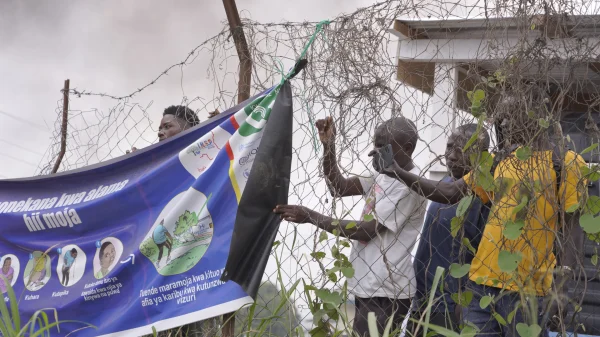
The challenges extend beyond the virus itself. Eastern Congo continues to struggle with armed conflict, making access to many affected communities extremely difficult. Several health zones remain under the control of armed groups, limiting the ability of emergency teams to trace infections and deliver medical assistance.
The World Health Organization has also reported numerous security incidents that have disrupted response efforts, including attacks targeting healthcare workers and medical facilities.
Misinformation Slows the Ebola Response
Public health officials say misinformation remains one of the biggest obstacles to controlling the outbreak.
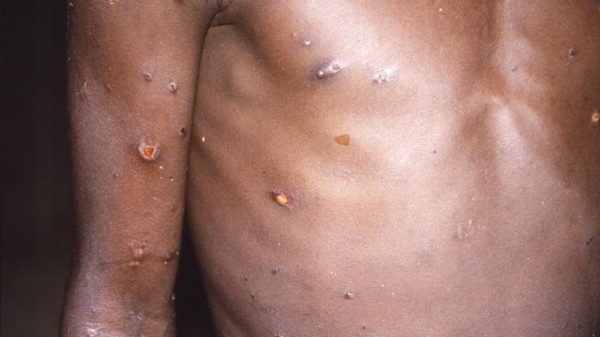
Many residents remain skeptical about Ebola, with some questioning whether the disease exists or expressing distrust toward health authorities. Misunderstandings about symptoms, which often resemble illnesses such as malaria, have made it harder to convince people to seek treatment early.
Traditional burial customs have also become a source of tension, as strict infection-control measures prevent families from carrying out customary funeral practices.
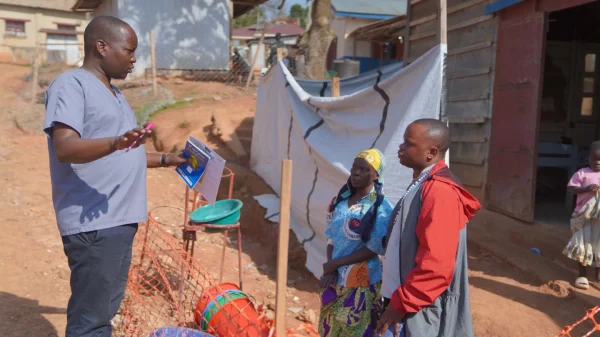
Healthcare workers who survived Ebola continue to educate communities, but many say false rumors and conspiracy theories have made their work increasingly difficult.
Journalists covering the outbreak have also encountered suspicion, with some local residents accusing media organizations of exaggerating or fabricating the crisis.
Daily Life Continues Despite the Outbreak
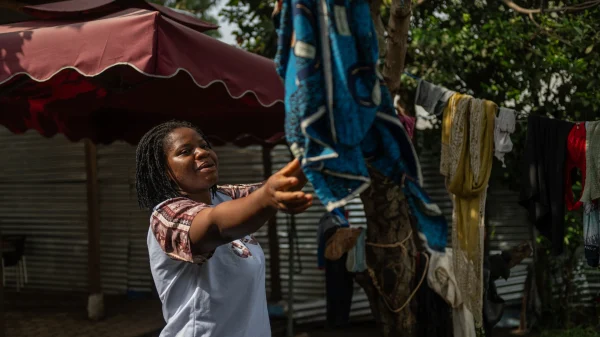
Even as the health emergency continues, communities are adapting to a new reality.
Businesses, churches, and public gathering places have introduced preventive measures such as face masks, temperature screening, and improved hygiene practices. Social events, including weddings and religious services, continue with modified safety protocols designed to reduce the spread of the virus.


Moments of celebration still emerge despite the ongoing crisis. During Congo’s participation in an international football tournament, supporters gathered to cheer their national team, briefly setting aside the fear and uncertainty that have become part of everyday life.
A Crisis Far From Over
Health authorities continue working to contain the outbreak while expanding public awareness campaigns and improving access to treatment. However, ongoing insecurity, limited healthcare infrastructure, and widespread misinformation remain major barriers to ending the epidemic.
As the number of infections continues to rise, humanitarian organizations warn that sustained international support will be critical to protecting vulnerable communities and strengthening Congo’s response to one of its most serious public health emergencies in recent years.