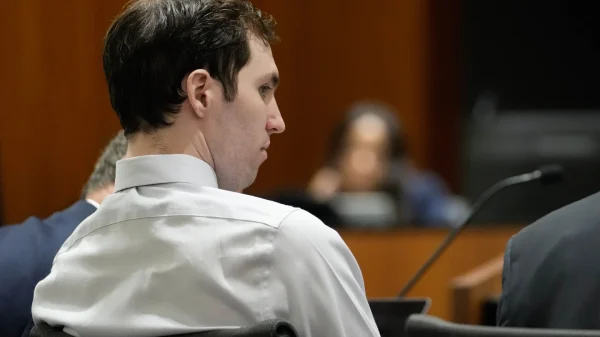
Attorneys representing the man accused of fatally shooting conservative activist Charlie Kirk intensified their challenge to key forensic evidence during a preliminary hearing, arguing that DNA analysis linking their client to the alleged murder weapon is not sufficiently reliable.
The hearing, which is expected to continue throughout the week, will determine whether prosecutors have presented enough evidence to move the case to trial.
Defense Questions DNA Analysis
Defense lawyers for Tyler Robinson focused much of Tuesday’s proceedings on testimony from an FBI DNA analyst who examined biological evidence recovered from a rifle investigators believe was used in the September 2025 shooting.
Attorney Michael Burt argued that the DNA findings do not conclusively identify Robinson as the source of the genetic material found on the evidence, suggesting the results leave room for multiple interpretations.
Prosecutors responded that questions surrounding the scientific reliability of the testing should be addressed during a full trial rather than at the preliminary hearing stage.
Prosecutors Outline Key Evidence
According to investigators, the suspected murder weapon—a bolt-action rifle wrapped in a towel—was recovered in a wooded area near Utah Valley University after the shooting.
State investigators testified that DNA collected from the towel was consistent with two individuals: Robinson and his roommate, Lance Twiggs, after comparison samples were analyzed.
Prosecutors also presented surveillance footage that they say shows Robinson climbing onto a rooftop overlooking the event where Charlie Kirk was speaking before fleeing the area immediately after the shooting.
Investigators testified that Robinson later escaped on foot following the attack.
Hearing to Determine Trial Eligibility
The purpose of the preliminary hearing is to determine whether sufficient evidence exists to require Robinson to stand trial on an aggravated murder charge.
Prosecutors have announced their intention to seek the death penalty if the case proceeds and results in a conviction.
Robinson has not entered a plea, and his legal team has not publicly addressed his guilt or innocence. However, defense attorneys have unsuccessfully sought to prevent prosecutors from pursuing capital punishment.
Crime Scene Procedures Also Challenged
Defense attorney Kathryn Nester questioned investigators about their handling of evidence collected at the crime scene.
During testimony, investigators addressed a bullet discovered elsewhere on campus, explaining that it was unrelated to the shooting and had been traced to a law enforcement officer who unloaded a service weapon during the investigation.
The defense suggested investigators should face greater scrutiny regarding evidence collection procedures.


Motive Remains Central to Prosecution
Prosecutors allege Robinson deliberately targeted Kirk because of his political beliefs, a claim that could support enhanced criminal penalties under Utah law.
Investigators testified that Robinson visited the university multiple times on the day of the shooting and interacted with representatives of Turning Point USA before the attack.
According to court filings, prosecutors also allege Robinson left a written message for his roommate indicating his intention to kill Kirk and later sent a text message expressing hostility toward the activist.
Defense attorneys argued there is insufficient evidence to establish Robinson’s political motivations and objected to prosecutors introducing statements describing the mission and values of Turning Point USA.
The judge ruled that the material could be provisionally admitted into evidence, with a final decision to be made later in the proceedings.
Hearing Continues
The preliminary hearing is expected to continue with additional witness testimony, forensic evidence, and legal arguments before the court decides whether the case will proceed to trial.
If the judge finds probable cause, Robinson will face formal prosecution on aggravated murder charges and other related allegations.