Health officials in eastern Democratic Republic of the Congo are warning of a growing maternal health emergency as fear surrounding the ongoing Ebola outbreak discourages pregnant women from seeking lifesaving medical care.
Aid organizations and medical workers say misinformation, concerns about isolation, and insecurity have caused a sharp decline in prenatal visits, contributing to a significant increase in maternal deaths across the affected region.
Maternal Deaths Climb Amid Ebola Fears
According to the United Nations Population Fund (UNFPA), maternal mortality in Ituri Province has nearly doubled since the Ebola outbreak was declared on May 15.
Before the outbreak, health authorities recorded an average of approximately 3.1 maternal deaths each week. Between late May and mid-July, that figure increased to nearly 5.8 deaths per week, reflecting the growing impact of delayed or absent medical care.
The proportion of women dying outside healthcare facilities has also risen considerably, highlighting the increasing number of expectant mothers choosing to remain at home rather than visit clinics or hospitals.
Fear and Misinformation Keep Women Away
Many pregnant women say they avoid medical centers because they fear being mistakenly identified as Ebola patients if they develop common pregnancy-related symptoms such as fever.
Others remain skeptical about the outbreak itself or worry that visiting a hospital could result in forced isolation.
Health experts say these misconceptions are preventing women from receiving routine prenatal examinations and emergency obstetric care that could save both mothers and babies.
Clinics Report Sharp Decline in Prenatal Care
Healthcare providers across Ituri have witnessed a dramatic reduction in prenatal appointments.
Medical staff at one clinic in Bunia reported that monthly prenatal registrations have fallen from around 60 women to just 10, leaving many pregnancies without professional monitoring.
Doctors warn that untreated pregnancy complications can become life-threatening when women postpone or completely avoid medical care.
Ebola Response Strains Fragile Healthcare System
The Ebola outbreak has placed enormous pressure on an already overstretched healthcare system.
Hospitals and clinics in affected provinces have redirected personnel, equipment and medical supplies toward controlling the virus, reducing the availability of maternity services.
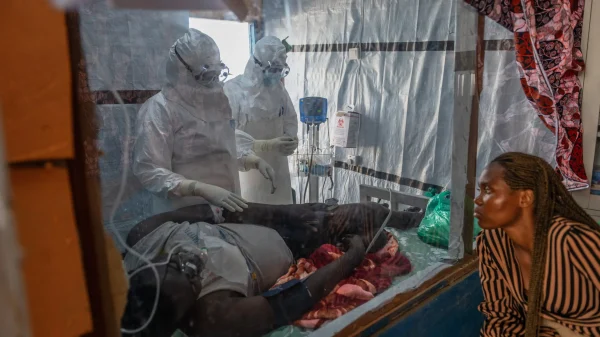
The response has also been complicated by attacks on healthcare facilities, unpaid medical workers and the deaths of dozens of healthcare professionals who contracted Ebola while treating patients.
These challenges have reduced access to essential reproductive healthcare at a time when demand remains high.


Women Face Multiple Health Risks
Medical experts note that women often serve as caregivers for sick relatives and make up a large proportion of frontline healthcare workers, increasing their potential exposure to Ebola.
Pregnant women infected with the virus face elevated risks of miscarriage and other severe complications, while those who avoid hospitals remain vulnerable to preventable childbirth emergencies.
Health officials stress that delayed prenatal care may result in deaths unrelated to Ebola itself but caused by untreated pregnancy complications.
Calls for Greater Public Awareness
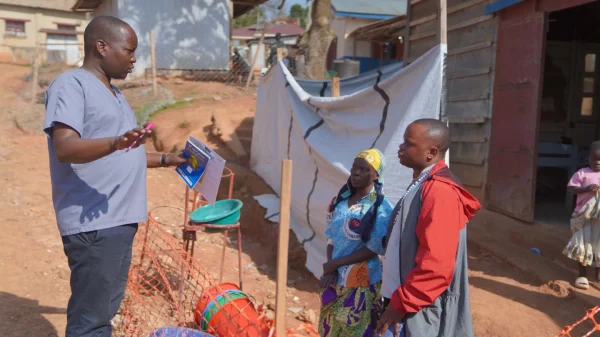
Humanitarian organizations are intensifying public education campaigns aimed at correcting misinformation surrounding Ebola and encouraging pregnant women to continue accessing maternal healthcare safely.
Health workers say restoring public confidence in healthcare services is essential to preventing further maternal deaths while the Ebola response continues.
As Congo battles one of its most challenging Ebola outbreaks, medical experts warn that protecting maternal health must remain a parallel priority alongside efforts to contain the spread of the virus.