Late-night host Jimmy Kimmel says an upcoming interview with Democratic Texas Senate candidate James Talarico will be released online instead of being broadcast on television after what he described as pressure from the Federal Communications Commission (FCC).
Kimmel made the comments during Wednesday’s episode of Jimmy Kimmel Live!, saying the FCC had raised concerns about the program’s decision to feature Talarico. Rather than risk regulatory complications for ABC and its affiliated stations, the interview will reportedly be made available on YouTube.
Kimmel said he had interviewed political candidates throughout the more than two decades of his program without encountering similar difficulties. He argued that the situation represents a significant change in how political interviews are being treated by federal regulators.
FCC Pressure Raises Free Speech Concerns
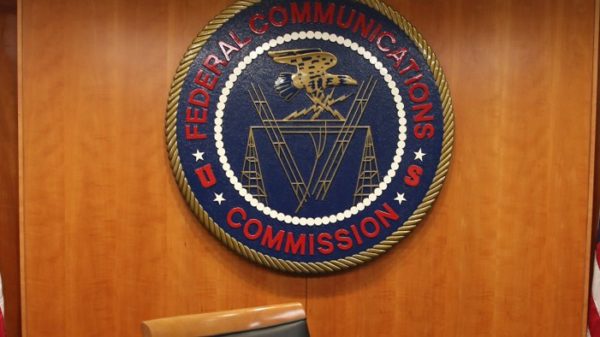
According to Kimmel, the FCC has threatened the show, ABC and local affiliate stations over what he characterized as ordinary editorial decisions, including the selection of guests.
The Federal Communications Commission had not immediately issued a response to requests for comment at the time of the report.
FCC Commissioner Anna Gomez, the commission’s only Democratic member, criticized the situation publicly. She described Kimmel’s decision as evidence of what she sees as increasing government pressure over television content and editorial decisions.
Gomez also argued that courts should clarify the limits of the FCC’s authority over broadcasters and whether the agency can influence which political guests appear on television programs.
Talarico Has Faced Similar Broadcast Restrictions
This is not the first time Talarico’s appearance on a late-night program has been shifted from television to an online platform.
Earlier this year, his planned appearance on Stephen Colbert’s program was moved online after concerns about FCC regulations governing equal opportunities for political candidates. The issue centers on rules requiring broadcasters to provide comparable opportunities to political candidates under certain circumstances.
Historically, those requirements have generally not been applied in the same way to entertainment and talk-show appearances. However, the Trump administration’s FCC said earlier this year that late-night and daytime programs could be subject to the rule.
Texas Senate Race Adds Political Significance
Talarico is running for the U.S. Senate in Texas and faces Republican Ken Paxton, the state’s attorney general. The contest has attracted national attention because Democrats are hoping to make the traditionally Republican state competitive in the upcoming election.
Talarico’s media appearances have therefore become particularly significant as he seeks to reach voters beyond traditional campaign events.
Moving Kimmel’s interview to YouTube allows the program to publish the conversation without putting it directly into the broadcast television framework that is subject to FCC oversight.
ABC and FCC Already in Legal Dispute
The controversy comes amid a broader conflict between ABC and the FCC.
Disney-owned ABC filed a lawsuit against the commission in August, arguing that the FCC’s actions regarding its broadcast licenses raised serious First Amendment concerns. The network characterized the regulatory pressure as a major threat to its operations and editorial independence.


The dispute intensified after the FCC sought an earlier review of ABC’s broadcast licenses. The agency cited the network’s diversity and inclusion policies, while the timing of the review drew additional scrutiny because of Kimmel’s longstanding criticism of President Donald Trump.
Trump and first lady Melania Trump had previously called for Kimmel to be removed from ABC following a joke that angered the president.
Kimmel did not provide specific details about what regulatory concerns the FCC raised regarding the Talarico interview. The latest development nevertheless adds another chapter to the growing dispute over political programming, broadcast regulation and editorial independence in American television.