









Hundreds of Bangladeshi laborers seeking overseas employment were deceived into serving in the Russian military, an investigation by the Associated Press reveals. Many traveled to Russia under the promise of civilian jobs, only to find themselves forced onto front lines in the war in Ukraine.
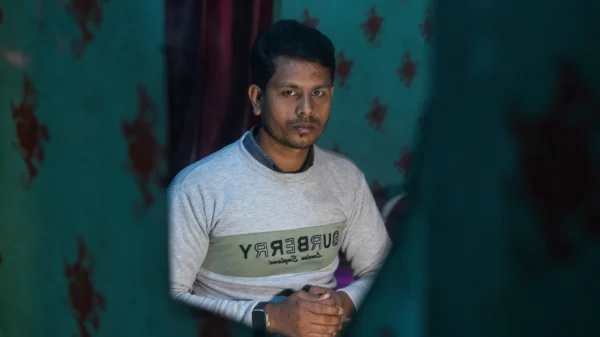
Maksudur Rahman, 31, one of the men who escaped, said he was recruited to work as a janitor in Moscow but quickly discovered he had been signed into a Russian military contract. “Your agent sent you here. We bought you,” a Russian officer allegedly told him through a translation app, Rahman said.
Rahman and other survivors described being coerced into tasks such as transporting supplies, evacuating wounded soldiers, and digging trenches under enemy fire. Some were threatened with imprisonment, beatings, or even execution for refusing to fight.
A Growing Pattern of Deception
AP interviews with Rahman, Mohan Miajee, 29, and other returnees highlight a disturbing pattern. Many Bangladeshi men were lured to Russia with promises of jobs far from combat zones. Miajee, an electrician, was told he would work in a drone unit away from the front line. Once he arrived at a military camp in Avdiivka, eastern Ukraine, he was forced to carry out frontline duties.
“They would handcuff us, beat us with shovels, and threaten us for minor mistakes,” Miajee said. Language barriers worsened the situation, making even basic instructions potentially life-threatening.
Documents reviewed by AP, including visas, contracts, medical records, and photographs, confirm that the men were enrolled in military service under false pretenses. Officials say the full number of Bangladeshi nationals deceived remains unknown, though some estimates suggest hundreds may have been involved.
Families Left in Despair
For families in Bangladesh, the consequences have been devastating. Salma Akdar has not heard from her husband, Ajgar Hussein, 40, since March 2025. “He told me he had been sold to the Russian army. That was the last time we spoke,” she said.
Mohammed Siraj’s 20-year-old son, Sajjad, was promised work as a chef but was sent to fight on the front lines. Siraj later learned his son had been killed in a drone strike. The emotional toll has been immense, with some family members passing away from grief.
Labor Migration and Vulnerability
In districts like Lakshmipur, overseas work is a vital lifeline. Families rely on the income of migrant workers, often sending fathers, sons, and daughters abroad for years at a time. Desperate for employment, many fall prey to unscrupulous brokers. Rahman, for instance, paid 1.2 million Bangladeshi taka (around $9,800) to a recruiter before traveling to Russia.
Investigations by Bangladesh police and organizations such as BRAC have identified intermediaries who profited from the recruitment scheme. Some were Bangladeshi nationals with connections to Russian entities. Authorities suspect that around 40 Bangladeshis may have died in the conflict after being deceived.
International and Local Response
Neither the Russian Defense Ministry, the Russian Foreign Ministry, nor the Bangladeshi government responded to inquiries regarding the recruitment of these workers. Survivors credit Bangladeshi embassies for helping them escape from hospitals after injuries sustained on the battlefield.
While some men reportedly volunteered knowing they might face combat due to lucrative pay, most were victims of deception. Families continue to demand accountability, compensation, and the safe return of missing relatives.
The harrowing stories of Rahman, Miajee, and others illustrate a hidden human cost of the Russia-Ukraine conflict, raising urgent questions about labor trafficking, exploitation, and international responsibility.