








As tensions escalate following recent military strikes involving the United States and Iran, Pakistan has emerged as an unexpected but strategically positioned mediator, signaling its willingness to facilitate dialogue between United States and Iran.
Quiet Diplomacy Comes Into Focus
Pakistani officials have confirmed that behind-the-scenes diplomatic efforts have been underway for weeks. These efforts reportedly include relaying proposals between Washington and Tehran, although details remain limited. Authorities in Islamabad have also expressed readiness to host formal negotiations if both sides agree.
The mediation initiative gained attention after reports revealed that a U.S. proposal had been communicated to Iran through Pakistani channels. While Tehran has publicly denied direct talks, it acknowledged submitting counter-proposals, suggesting indirect engagement may be ongoing.
Foreign Minister Ishaq Dar noted that other regional players, including Turkey and Egypt, are also quietly supporting diplomatic efforts.
Strategic Position Enables Mediation Role
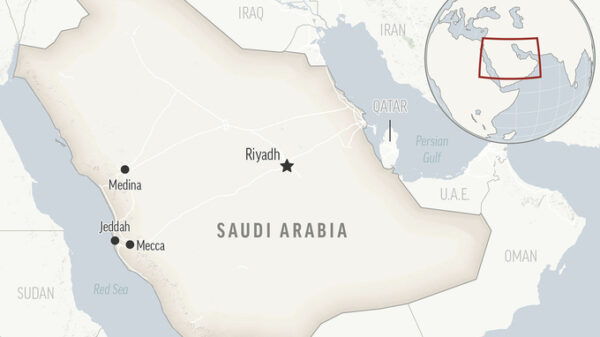
Analysts point out that Pakistan’s unique geopolitical position strengthens its credibility as a mediator. Sharing a border with Iran while maintaining longstanding relations with the United States places Islamabad in a rare position of access and influence.
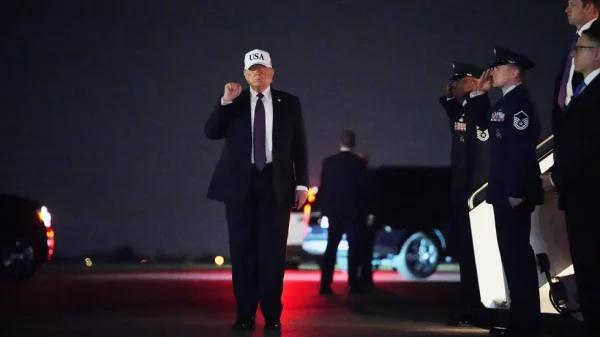
Pakistan also maintains close ties with Gulf nations, particularly Saudi Arabia, and continues to expand its diplomatic and economic engagement with Washington. Recent interactions between U.S. President Donald Trump and Pakistan’s military leadership, including Field Marshal Asim Munir, further highlight improving bilateral relations.
Meanwhile, Pakistan does not maintain diplomatic relations with Israel, reflecting its longstanding stance on Palestinian statehood.
Economic and Security Stakes Drive Urgency
The ongoing conflict poses serious economic risks for Pakistan. The country relies heavily on Middle Eastern energy imports, and rising oil prices have already forced the government of Prime Minister Shehbaz Sharif to increase fuel costs domestically.
Additionally, millions of Pakistanis working in Gulf countries send remittances that form a crucial part of the national economy. Any prolonged instability in the region could disrupt these financial flows.
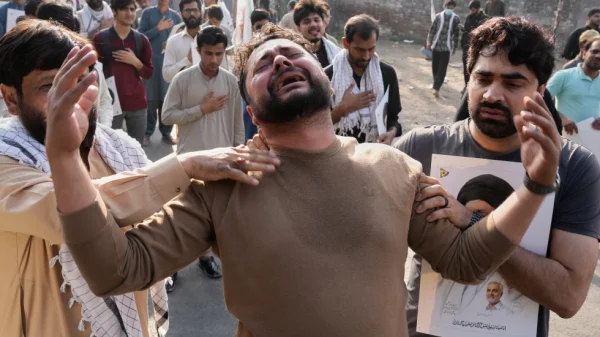
Domestically, the crisis has triggered unrest. Protests erupted in multiple cities following U.S. strikes on Iran, with violent clashes reported in Karachi and other areas. Attacks on diplomatic sites, including the U.S. Consulate, underscore the volatility of public sentiment.
A History of Behind-the-Scenes Mediation
Although not traditionally seen as a global mediator, Pakistan has played key roles in major diplomatic breakthroughs. In the early 1970s, it facilitated secret communications that led to U.S.-China rapprochement under President Richard Nixon.
Pakistan also contributed to negotiations during the Soviet withdrawal from Afghanistan in the late 1980s and later supported U.S.-Taliban talks that culminated in the 2020 Doha agreement.
A Delicate Opportunity
Experts suggest Pakistan’s current efforts may already be helping prevent further escalation. Signs of restraint from both Washington and Tehran hint at the possibility that diplomatic channels—however indirect—remain open.
Whether Islamabad can successfully bring the two adversaries to the negotiating table remains uncertain. However, its growing diplomatic engagement reflects a broader ambition to play a more active role in global conflict resolution.