Foreign ministers from the BRICS alliance convened in India’s capital on Thursday for a high-level two-day summit overshadowed by the ongoing Iran conflict, surging oil prices, and growing disagreements within the bloc over geopolitical priorities.
The meeting brings together representatives from Brazil, Russia, India, China, South Africa, and the group’s recently expanded membership, including Iran, Egypt, Ethiopia, the United Arab Emirates, and Indonesia. The gathering comes at a time of heightened instability in global energy markets and increasing pressure on emerging economies.
India’s External Affairs Minister Subrahmanyam Jaishankar opened the discussions by emphasizing the need for stronger cooperation among developing nations facing economic volatility, inflation, and supply chain disruptions. He said BRICS members must work collectively to address rising prices of fuel, food, and fertilizers while strengthening financial and health-related support systems.
Jaishankar described the current international environment as a period of “significant uncertainty,” adding that many developing nations expect BRICS to play a stabilizing role in global affairs.
Iran Pushes for Stronger BRICS Support
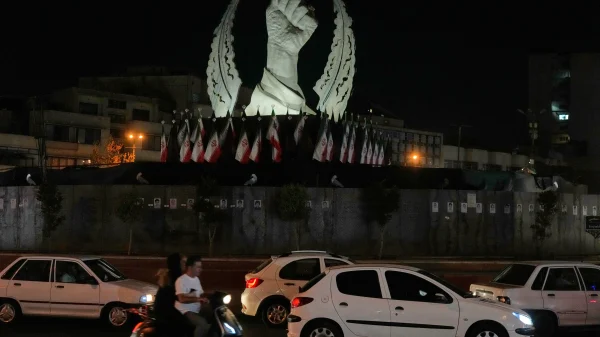
Iranian Foreign Minister Abbas Araghchi used the platform to call on BRICS nations to take a firmer stance against the United States and Israel over the ongoing conflict involving Tehran. He urged member states to condemn what he characterized as aggressive actions against Iran and called for stronger diplomatic measures to prevent further escalation in the Middle East.
Araghchi also criticized what he described as the politicization of international institutions and urged BRICS members to challenge Western influence in global governance. While acknowledging support already expressed by some countries within the alliance, he insisted that stronger and more coordinated action was necessary.
The Iranian delegation’s remarks highlighted deepening divisions inside the bloc, particularly over how members should respond to tensions in the Middle East.
Internal Divisions Challenge BRICS Unity
Although BRICS has expanded rapidly in recent years, the grouping continues to struggle with internal disagreements on major international issues. The alliance was originally established by Brazil, Russia, India, and China as a platform for emerging economies seeking greater influence in global decision-making. South Africa joined later, followed by a major expansion in 2024 and Indonesia’s inclusion in 2025.
However, differing foreign policy priorities among member nations have complicated efforts to present a unified geopolitical agenda. India and China remain regional competitors, while countries such as Iran and the UAE often hold opposing interests in Middle Eastern affairs.
Russia’s ongoing war in Ukraine has also exposed policy gaps within the bloc, with some members maintaining closer relations with Western nations than others.
Iranian Deputy Foreign Minister Kazem Gharibabadi acknowledged ahead of the summit that disagreements among member states had made it difficult to issue a common position regarding the Iran conflict. According to him, one BRICS member reportedly pushed for language critical of Tehran during negotiations over a joint statement.
Energy Prices and Global Economy in Focus
The conflict involving Iran has triggered concerns across international energy markets, with fears of disruptions to oil supply routes contributing to rising crude prices. Analysts believe the issue will remain central to discussions during the summit, particularly for developing economies already struggling with inflation and slowing growth.
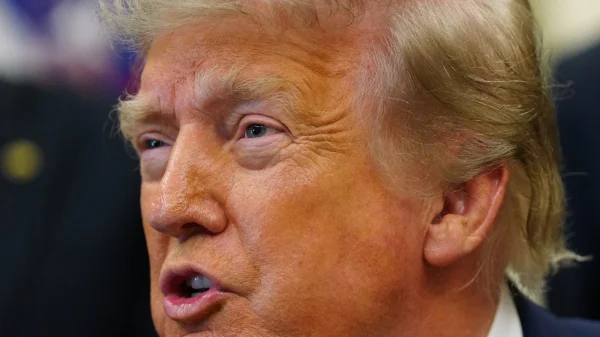
The BRICS meeting is also taking place alongside a closely watched diplomatic engagement between U.S. President Donald Trump and Chinese President Xi Jinping in Beijing, adding another layer of geopolitical significance to the New Delhi gathering.
Observers say the summit will test whether the enlarged BRICS alliance can maintain cohesion while balancing competing national interests and ambitions for greater global influence.