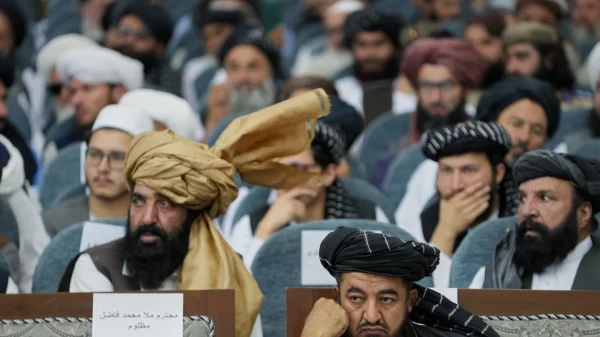
Senior United Nations officials have urged Western governments to strengthen engagement with Afghanistan, warning that prolonged isolation and declining international support could increase regional instability and create wider global security challenges.
During a visit to Afghanistan, senior UN representatives said continued diplomatic dialogue and humanitarian assistance are essential to help the country navigate ongoing economic, humanitarian, and political difficulties.
UN Warns Against International Isolation
The officials stressed that disengaging from Afghanistan could have consequences extending far beyond its borders.
They cautioned that worsening conditions could contribute to increased migration, transnational crime, extremism, and illicit drug activity, making continued international cooperation an important element of regional stability.
According to the UN leaders, constructive engagement offers a better path toward encouraging reforms and supporting long-term peace than isolation alone.
Country Faces Multiple Humanitarian Challenges
Afghanistan continues to struggle with overlapping crises after decades of conflict.
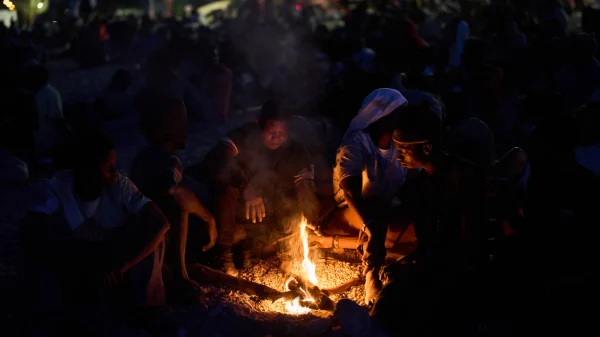
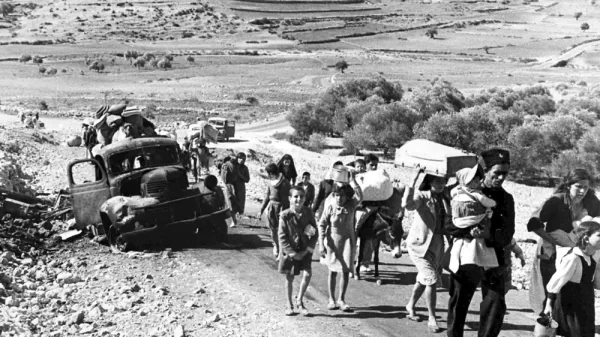
In addition to widespread poverty and economic hardship, the country has faced repeated natural disasters, climate-related challenges, and one of the largest waves of returning refugees in recent years.
Since 2023, nearly six million Afghans have returned from neighboring Pakistan and Iran following immigration enforcement measures in those countries. The United Nations expects millions more returnees to arrive during 2026, placing additional pressure on already limited public services and local communities.
Aid Reductions Deepen the Crisis
UN officials warned that declining international financial support has significantly affected humanitarian programs across Afghanistan.
Funding shortages have forced hundreds of healthcare facilities to close, leaving millions of people with reduced access to essential medical services.
Humanitarian organizations have also reported severe funding gaps for nutrition programs, limiting assistance available for children suffering from acute malnutrition.
The officials emphasized that continued international support remains critical to preventing further deterioration in living conditions.
Progress Noted in Security and Drug Control
Despite ongoing challenges, the United Nations acknowledged improvements in several areas.
Officials pointed to stronger security conditions in parts of the country, efforts to reduce corruption, and a sharp decline in illegal opium production following government measures to curb poppy cultivation.
However, they warned that sustaining these gains will require continued investment in alternative livelihood programs that help farmers replace illicit crops with legal sources of income.


Without long-term support, there is concern that drug production could increase again, undermining recent progress.
Women’s Rights Remain a Major Concern
Restrictions on women and girls continue to be one of the primary issues affecting Afghanistan’s relationship with the international community.
UN representatives said they raised concerns directly with Afghan officials regarding limitations on education, employment, and broader participation in public life.
They expressed hope that continued diplomatic engagement could encourage meaningful reforms and promote a more inclusive society.
Diplomacy Showing Limited Signs of Progress
Although Afghanistan remains diplomatically isolated, officials noted that recent discussions between representatives of the Afghan government and European Union officials suggest limited opportunities for renewed dialogue.
The meetings focused on practical issues, including diplomatic services and migration, reflecting cautious efforts to maintain communication despite ongoing political differences.
UN Urges Long-Term International Commitment
United Nations officials concluded that the international community should remain engaged with Afghanistan to help address humanitarian needs while supporting stability across the wider region.
They warned that neglecting Afghanistan could have lasting consequences beyond the country’s borders, affecting security, migration, and regional development.
According to the UN, sustained cooperation, humanitarian assistance, and constructive diplomacy remain the most effective tools for preventing future instability and encouraging long-term progress.