
















Spain’s North African enclave of Ceuta is gradually returning to normal after experiencing one of the largest sudden migrant crossings in recent European history. While businesses have reopened and daily life is resuming, authorities and residents continue to confront the humanitarian and political consequences of the unprecedented border surge.
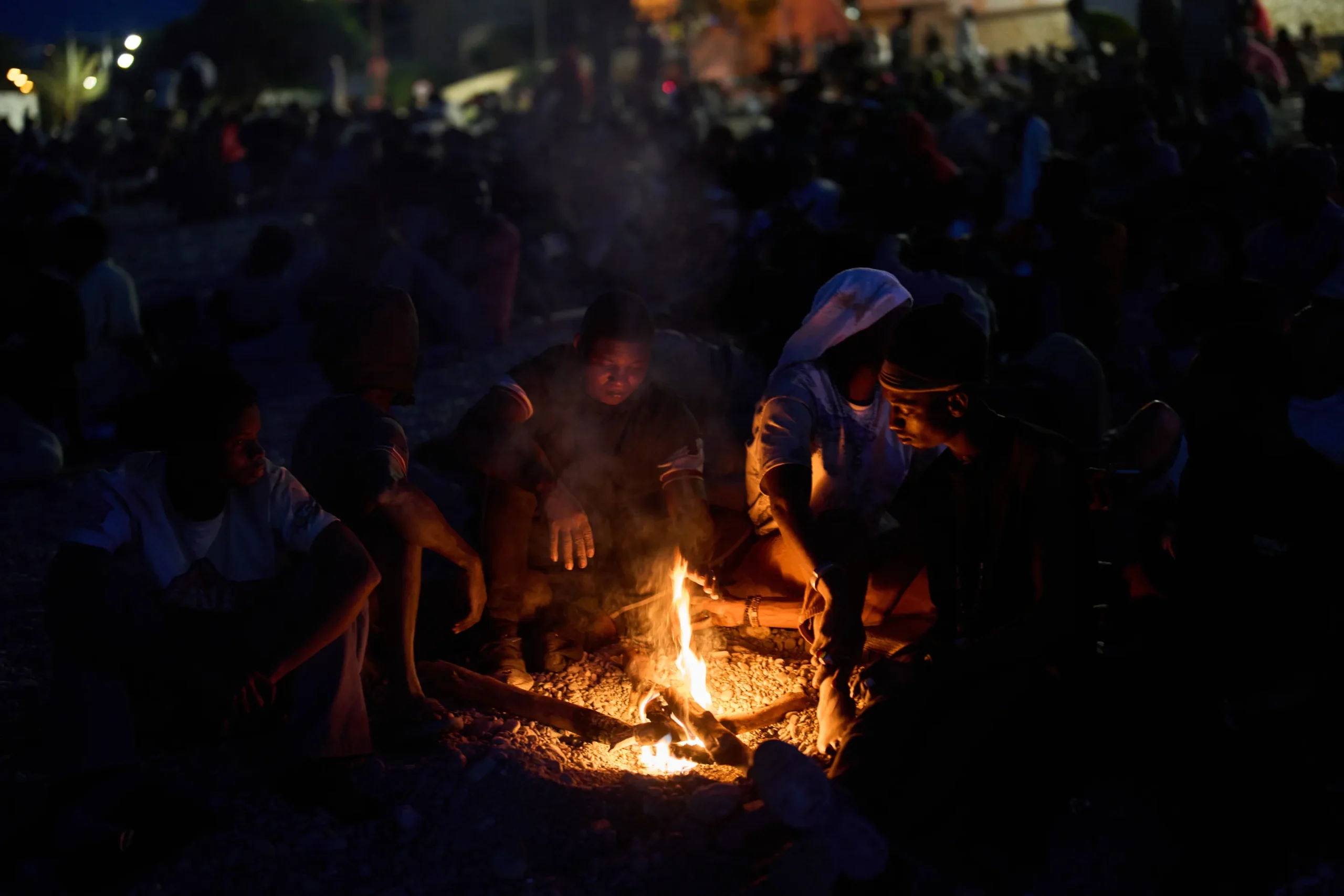
According to Spanish officials, the majority of the estimated 60,000 migrants who entered Ceuta from neighboring Morocco during the past week have voluntarily returned. However, several groups remain in the surrounding hills, while emergency teams continue searching nearby coastal waters for additional victims.
Death Toll Rises After Deadly Border Crossing
The large-scale migration crisis has resulted in significant loss of life. Spanish authorities confirmed that at least 72 migrants died during the incident, including people who drowned while attempting to swim into the enclave and others who were killed in a stampede near a border breakwater.
Moroccan officials separately reported 11 deaths on their side of the frontier, although it remains unclear whether those fatalities are included in Spain’s figures.
Morocco has launched an investigation into the incident, blaming false information circulated among migrants and the activities of human trafficking networks for encouraging the mass crossing.
Ceuta Residents Reflect on Unprecedented Week
Despite the return of normal business activity, many residents remain deeply affected by the events.
Restaurants, cafés and shops across the city have reopened, with locals and tourists once again filling public spaces. Yet conversations throughout the city continue to focus on the causes of the crisis and how it unfolded so rapidly.
Many residents believe responsibility lies primarily with authorities rather than with the migrants themselves, arguing that the border was left vulnerable during the surge.
The arrival of tens of thousands of people within just two days temporarily increased Ceuta’s population by more than half, placing extraordinary pressure on local infrastructure and emergency services.
Political Debate Intensifies
The crisis has reignited political tensions across Spain, with immigration once again becoming a central issue in national debate.
Far-right political figures traveled to Ceuta over the weekend, demanding that all remaining migrants be removed from Spanish territory. Their visits triggered demonstrations by local residents, including members of Ceuta’s sizable Muslim community, many of whom have family ties to Morocco.
Several confrontations between rival groups required police intervention, highlighting the growing political divisions surrounding migration policy.
Opposition leaders accused Spain’s government of failing to secure the country’s borders, while counter-protesters argued that political groups were exploiting a humanitarian emergency for electoral gain.
Pope Calls for Peaceful Resolution
Pope Leo XIV expressed concern over the situation during his Sunday address, calling for peaceful and just solutions to the humanitarian crisis.
The pontiff has consistently emphasized the importance of addressing migration challenges through compassion, stability and international cooperation. His comments come shortly after his recent visit to Spain’s Canary Islands, another major gateway for migrants attempting to reach Europe.

Authorities Continue Recovery Efforts
Spanish security forces remain deployed across Ceuta as authorities monitor the remaining migrants and continue recovery operations along the coastline.
The border surge has renewed questions about migration management, border security and cooperation between Spain and Morocco. Officials from both countries are expected to continue discussions aimed at preventing similar incidents in the future while addressing the humanitarian challenges associated with irregular migration.
As Ceuta slowly recovers from an extraordinary week, the events have once again highlighted the complex balance between border enforcement, regional cooperation and humanitarian responsibility in one of Europe’s most sensitive migration corridors.