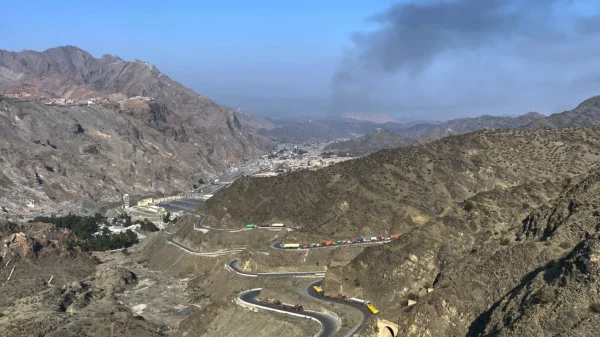
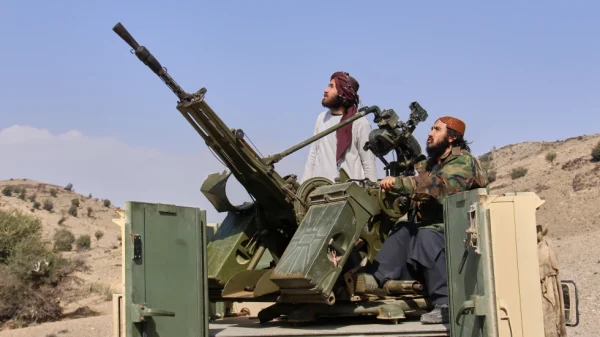
Pakistan announced that its military carried out overnight strikes on alleged militant facilities in Afghanistan’s Kandahar province, as ongoing hostilities between the neighboring countries show no signs of easing.
Pakistan’s Information Minister Attaullah Tarar said in a statement on social media that security forces targeted equipment storage sites and technical support infrastructure believed to be used by militant groups operating near the border.
The latest strikes mark another escalation in the growing confrontation between Pakistan and Afghanistan, which analysts describe as the most serious fighting between the two countries in recent years.
Afghanistan Condemns Strikes
Afghanistan’s Taliban-led government condemned the attacks. Government spokesperson Zabiullah Mujahid said Pakistani forces struck two locations in Kandahar, including a site typically used by security personnel during the day and a drug rehabilitation center.
Mujahid stated that the facilities were largely empty at the time of the attack and reported no casualties. However, he accused Pakistan of worsening tensions in the region.
He said the strikes demonstrate that Islamabad is “continuing to invade and fuel the fire of war.”
Afghanistan Claims Retaliatory Attack
Afghanistan’s Defense Ministry said its forces carried out a retaliatory operation targeting a Pakistani army camp in South Waziristan on Sunday. Afghan officials claimed the attack destroyed much of the camp’s command center and caused significant losses for Pakistani troops.
Pakistan’s Ministry of Information dismissed the claim, calling it “propaganda.” Officials said a small drone was intercepted but denied that any military installations were damaged.
Afghanistan also claimed that its forces launched additional operations across the border from Kunar and Nangarhar provinces, capturing a Pakistani outpost and killing several soldiers. Pakistani authorities rejected those claims as well.
Longstanding Disputes Over Militants
The conflict highlights long-running accusations between the two neighbors over militant activity. Pakistan has repeatedly accused Afghanistan’s Taliban authorities of providing safe haven to insurgent groups, particularly Tehrik-e-Taliban Pakistan (TTP), which carries out attacks inside Pakistan.
Afghanistan denies the allegations and maintains that it does not allow its territory to be used to launch attacks against other countries.
Conflict Sparked by Earlier Airstrikes
The current wave of fighting began in late February after Afghan forces launched cross-border attacks in response to earlier Pakistani airstrikes inside Afghanistan. Afghan officials said those strikes killed civilians, while Pakistan insisted they targeted militant hideouts.
The renewed clashes effectively ended a ceasefire agreement brokered by Qatar in October last year after previous border fighting that had left dozens of soldiers, civilians, and suspected militants dead.
Civilian Casualties Reported
Violence has increasingly affected civilians living along the volatile border region. On Sunday, a mortar shell fired from Afghanistan struck a home in Pakistan’s Bajaur district, killing four members of the same family and injuring two others, according to local government official Adnan Khan.
Both governments have accused each other of targeting civilian areas as the conflict escalates.


Rising Regional Concerns
The growing tensions between Pakistan and Afghanistan are raising concerns among regional observers, especially at a time when geopolitical instability is already increasing across several regions.
Pakistan’s President Asif Ali Zardari recently warned that Afghanistan had crossed a “red line” by launching drone attacks on civilian areas. Shortly afterward, Pakistani forces reportedly struck what officials described as a drone storage facility in Afghanistan.
As both sides continue exchanging accusations and military strikes, the situation along the Pakistan–Afghanistan border remains volatile, with little indication that hostilities will end soon.