















Tensions between Pakistan and Afghanistan have erupted into what Pakistan’s defense minister described as “open war,” following a series of overnight cross-border strikes that sharply escalated hostilities between the two neighboring countries.
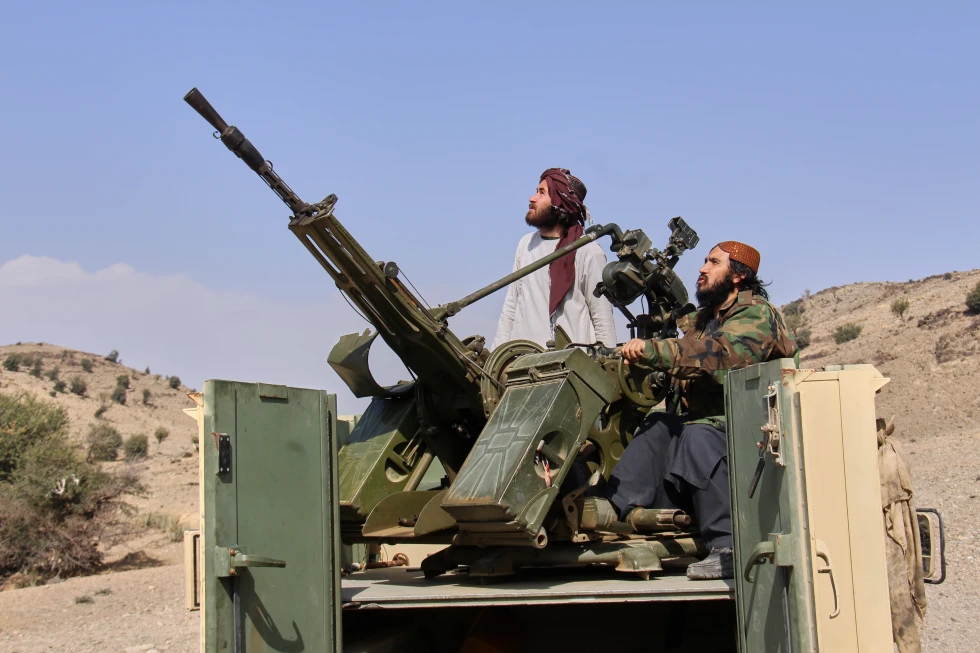
The latest confrontation began late Thursday when Afghan forces launched attacks on Pakistani military positions, describing the move as retaliation for earlier Pakistani airstrikes along the Afghan border. Within hours, Pakistan carried out fresh air operations targeting sites in Kabul and other provinces, claiming it struck military installations.
Explosions were reported in Afghanistan’s capital, Kabul, early Friday, with residents describing the sound of aircraft overhead and multiple blasts in different parts of the city.
Escalating Conflict Along the Border
The deteriorating security situation marks one of the most serious flare-ups between Pakistan and Afghanistan in recent months. Border clashes in October left dozens of soldiers and civilians dead before a ceasefire, brokered by Qatar, temporarily reduced tensions.
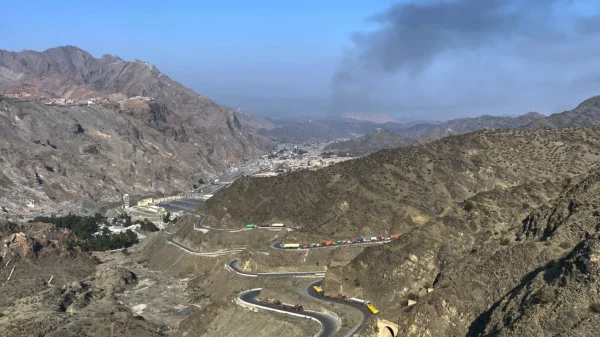
However, peace talks held in Turkey in November failed to produce a lasting settlement. Since then, sporadic exchanges of fire have continued along key crossings, including the volatile Torkham and Ghulam Khan border points.
Pakistan has long accused Afghanistan’s Taliban-led administration of sheltering militant groups responsible for attacks inside Pakistan. Afghan officials have repeatedly denied the allegations.
Strong Words from Islamabad and Kabul
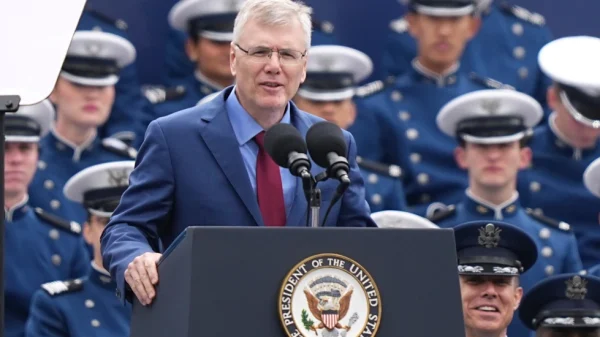
Pakistan’s Defense Minister, Khawaja Mohammad Asif, declared on social media that Islamabad’s “patience has run out,” characterizing the current situation as open warfare.
He accused Afghanistan of turning into a proxy battleground for regional rivalries, referencing improved ties between Kabul and India — Pakistan’s longtime rival. Islamabad has frequently alleged that Indian influence in Afghanistan fuels instability along its western border, a claim New Delhi denies.
Afghan government spokesperson Zabihullah Mujahid said Kabul’s strikes were intended as a direct response to what he called “aggression” by Pakistan. He insisted Afghanistan favors dialogue but would respond forcefully to cross-border attacks.
Conflicting Casualty Claims
Both governments released sharply different casualty figures, none of which could be independently verified.
Pakistan’s military spokesperson, Lt. Gen. Ahmed Sharif Chaudhry, said Pakistani operations killed more than 270 Afghan forces and allied fighters, while 12 Pakistani soldiers were killed and 27 wounded. One soldier was reported missing.
Afghan officials rejected those figures, claiming far lower military losses while alleging higher Pakistani casualties. Kabul later stated that Pakistani airstrikes in the southeastern provinces of Khost and Paktika killed at least 19 civilians and injured 26 others, including women and children. Pakistan has not confirmed those civilian casualty claims.
Meanwhile, Pakistan’s information minister said anti-drone systems intercepted several unmanned aerial vehicles over northwestern cities including Abbottabad, Swabi and Nowshera, blaming the attempted strikes on militant groups allegedly operating from Afghan territory.
Militancy and Regional Rivalries
A key point of contention remains the presence of the Tehrik-i-Taliban Pakistan (TTP), a militant group Islamabad accuses of operating from Afghan soil. The TTP, though distinct from Afghanistan’s Taliban, is considered closely aligned. Kabul denies providing sanctuary.
Pakistan has also accused India of backing separatist groups such as the Baloch Liberation Army and the TTP — allegations that India rejects.

The renewed fighting underscores broader regional tensions, particularly as both Pakistan and India remain nuclear-armed states with a history of conflict dating back to their independence in 1947.
International Calls for Restraint
Global leaders have urged both sides to step back from further escalation.
United Nations Secretary-General António Guterres called for diplomacy and the protection of civilians. Russia signaled it would consider mediation if requested, while Iran urged restraint during the holy month of Ramadan.
Turkey and Qatar have also resumed diplomatic engagement, with senior officials holding calls aimed at de-escalating the crisis.
Refugees and Civilian Impact
The renewed conflict has intensified concerns for civilians along the border. Pakistani authorities relocated Afghan refugees from the Torkham area to safer locations amid fears of further clashes.
Pakistan has been conducting a large-scale campaign since 2023 to expel undocumented migrants, prompting millions of Afghans to return home. According to the U.N. refugee agency, nearly 2.9 million people returned to Afghanistan in 2025 alone, with tens of thousands more crossing back this year.
As military exchanges continue and diplomatic efforts struggle to gain traction, the risk of broader regional instability remains high.