



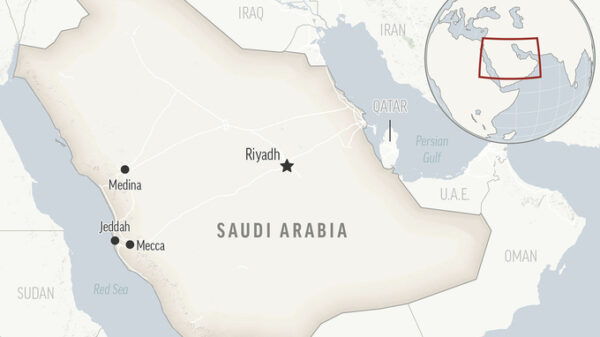











Tensions between Pakistan and Afghanistan escalated further Monday as Pakistan’s president publicly defended ongoing military strikes across the border and urged Kabul’s Taliban leadership to dismantle militant networks accused of staging attacks inside Pakistan.
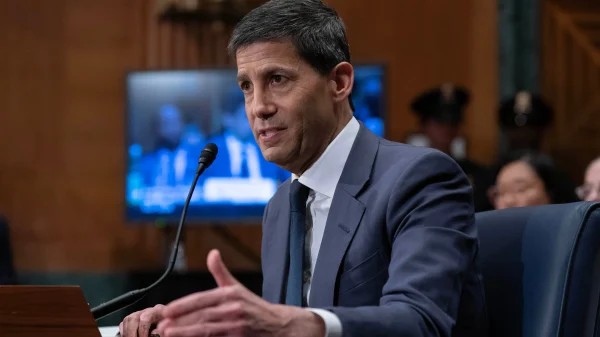
Speaking before lawmakers, Asif Ali Zardari said Islamabad had exhausted diplomatic avenues before launching military operations against armed groups allegedly operating from Afghan territory.
“No country can tolerate repeated attacks on its soil,” Zardari said, calling on Afghanistan’s Taliban authorities to disarm organizations that “survive on conflict and its war economy.”
Cross-Border Escalation Deepens
Pakistan has described the situation as an “open war,” heightening international concern over instability along the volatile frontier. The border region has long been a stronghold for militant factions, including al-Qaida and the Islamic State.
The latest round of hostilities began after Pakistani airstrikes last week, which prompted retaliatory attacks from Afghan forces. Since then, Islamabad says it has conducted sustained operations along the border.
Pakistan’s Information Minister, Attaullah Tarar, claimed that 435 Afghan personnel had been killed and 31 military positions seized. Afghan officials have rejected those figures as exaggerated.
Civilian Casualty Claims
Afghan authorities accuse Pakistan of targeting civilian areas. Deputy government spokesperson Hamdullah Fitrat said Pakistani forces fired mortar shells into a refugee camp in Kunar province, killing three children and wounding three others.
Afghanistan’s Defense Ministry also claimed its forces struck a Pakistani military facility near Paktia province, causing “substantial losses.” Pakistan’s military has not publicly responded to those specific allegations but has previously stated that operations are aimed strictly at military targets to avoid civilian harm.
Focus on Tehreek-e-Taliban Pakistan
Islamabad blames much of the recent violence on the outlawed Tehreek-e-Taliban Pakistan (TTP), which it says operates both inside Pakistan and from safe havens across the Afghan border.
The TTP has intensified attacks in recent months, contributing to a spike in violence nationwide. Pakistan accuses Afghanistan’s Taliban government of sheltering the group — an allegation Kabul denies.
Zardari also alleged that Afghanistan is allowing itself to be used as a proxy battleground for regional rivalries, urging Kabul to resist external influence and prioritize stability.
Ceasefire Collapse and Failed Diplomacy
The renewed clashes effectively end a fragile ceasefire brokered in October with mediation from Qatar and Turkey. Talks held in Istanbul failed to produce a lasting political settlement.
Despite the military escalation, Zardari reiterated that Pakistan remains open to dialogue.
“We have never walked away from negotiations,” he said, while stressing that national security would remain Islamabad’s top priority.
International Concerns Mount
The deteriorating security environment has drawn attention from global observers. Zardari referenced a recent monitoring report submitted to the United Nations Security Council warning that militant groups operating from Afghan soil pose a broader regional threat.

Analysts warn that sustained cross-border conflict could destabilize both countries and complicate humanitarian conditions in already fragile border provinces.
With neither side showing signs of immediate de-escalation, the prospect of a prolonged confrontation looms — raising concerns about further civilian casualties, displacement and regional instability.