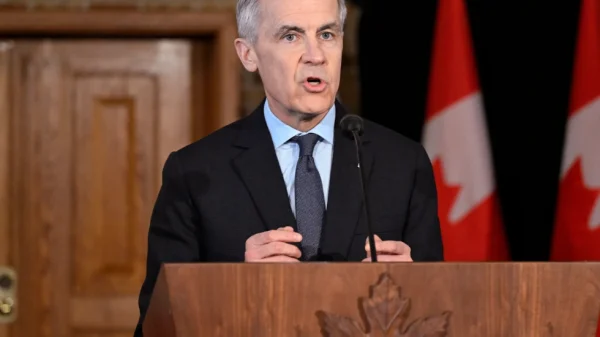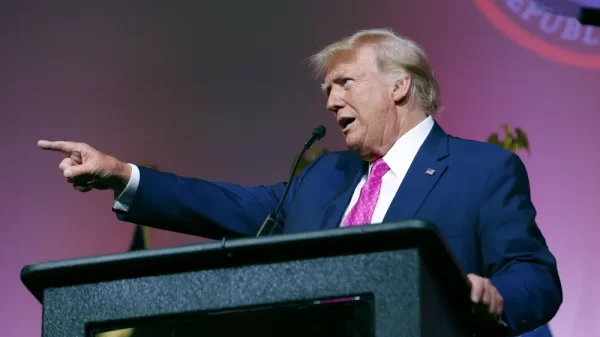









Washington, D.C. — Donald Trump has postponed his anticipated diplomatic trip to China, choosing instead to remain in Washington as tensions surrounding the ongoing conflict in Iran escalate.
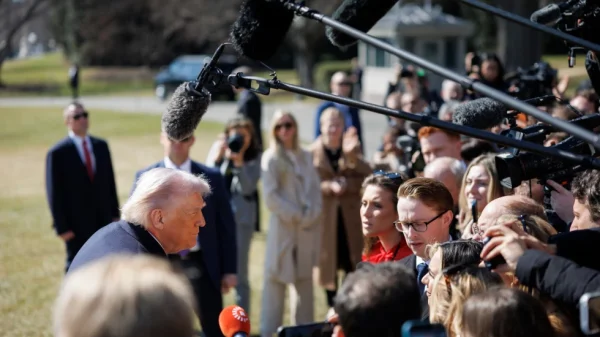
Speaking during a White House meeting with Micheál Martin on St. Patrick’s Day, Trump confirmed that his visit to meet Xi Jinping would be rescheduled for several weeks later than originally planned. The trip, once expected at the end of March, is now likely to take place within five to six weeks.
Trump emphasized that the decision was mutual and not indicative of strained relations. “We’re coordinating with China, and they’re comfortable with the adjustment,” he said, adding that both leaders remain interested in holding talks.
Strategic Shift Amid Middle East Crisis
The delay comes as the U.S. administration intensifies its involvement in the Iran conflict, particularly regarding the security of the Strait of Hormuz—a critical global oil transit route. Approximately 20% of the world’s oil supply passes through this narrow channel, making it a focal point of international concern.
Trump has called on major global economies, including China, to contribute military support to safeguard the waterway. He argued that countries heavily dependent on Middle Eastern oil should play a more active role in ensuring its stability. However, key nations—including China—have yet to commit to the proposal.
Diplomatic Balancing Act
The postponed China visit was expected to reinforce a fragile trade truce between Washington and Beijing following years of tariff disputes. Both nations had previously agreed to ease economic tensions, and the upcoming summit was seen as an opportunity to solidify that progress.
Despite the delay, U.S. officials maintain that diplomatic engagement remains on track. Treasury Secretary Scott Bessent, who recently held discussions with Chinese representatives in Paris, indicated that logistical considerations—not political pressure—were behind the scheduling change.
Meanwhile, Beijing has expressed cautious optimism about future relations, signaling openness to continued dialogue while urging reciprocal efforts from Washington.
Economic and Political Implications
The shift in priorities underscores the broader geopolitical stakes as the Iran conflict drives volatility in global oil markets. Rising energy prices have added pressure domestically, particularly in a politically sensitive period marked by economic concerns among American voters.
In response, the administration has taken steps to stabilize supply, including tapping into alternative energy sources and revisiting international oil policies.
As Trump navigates both diplomatic and military challenges, the rescheduled China visit remains a key moment in shaping U.S.-China relations and broader global stability.