












The United States is escalating pressure on Venezuela’s government after President Donald Trump announced a sweeping naval blockade aimed at stopping sanctioned oil tankers from entering or leaving the country. The move marks one of the most aggressive steps yet in Washington’s campaign against President Nicolás Maduro and Venezuela’s oil-dependent economy.
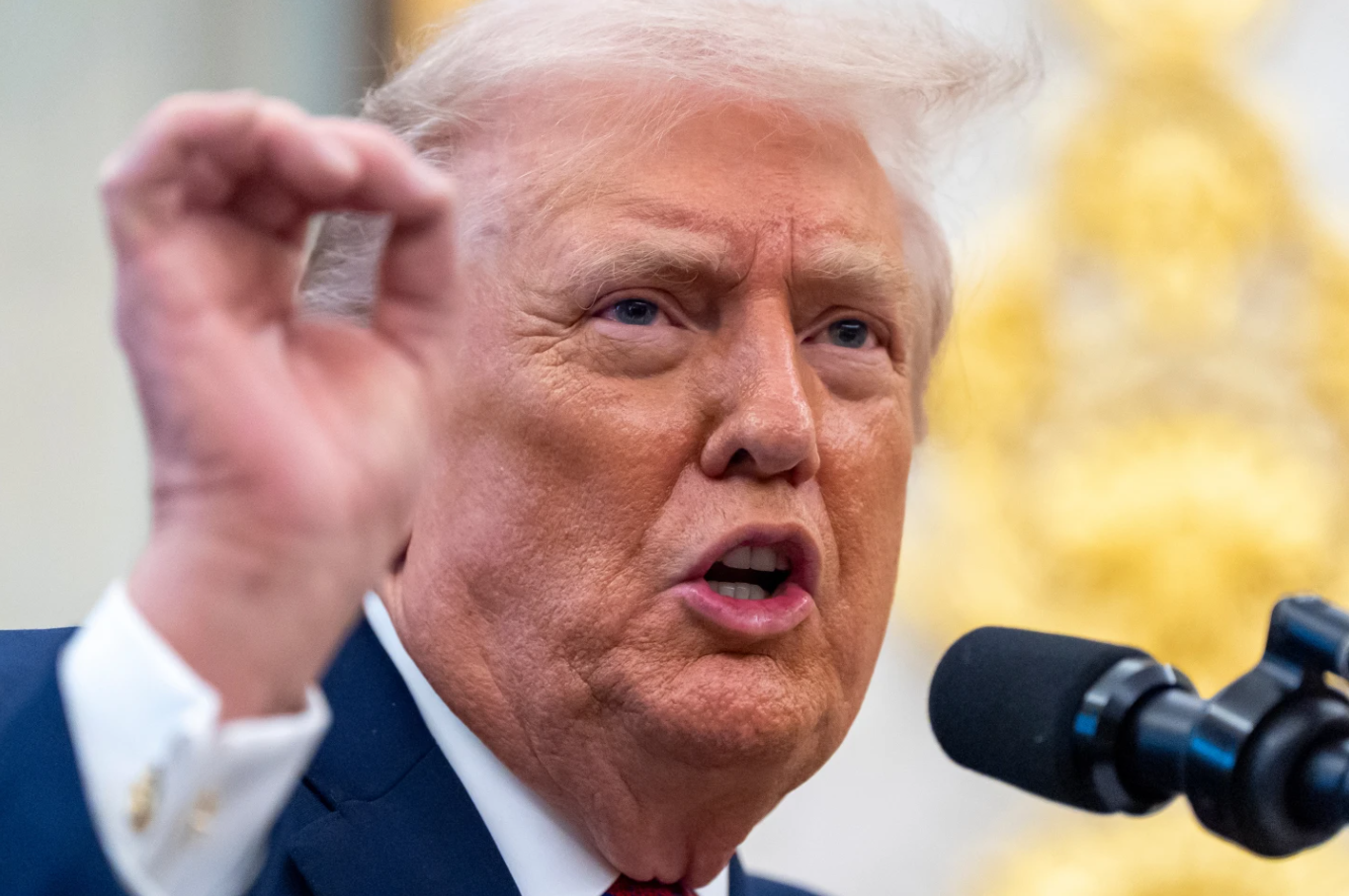
Speaking via social media, Trump said the blockade would focus exclusively on vessels linked to U.S. sanctions, accusing Venezuela’s leadership of using oil revenues to finance drug trafficking and other criminal activities. He described the operation as part of a broader military buildup in the region, signaling that U.S. forces would continue expanding their presence until what he called “stolen assets” are returned—claims that have not been substantiated under international law.
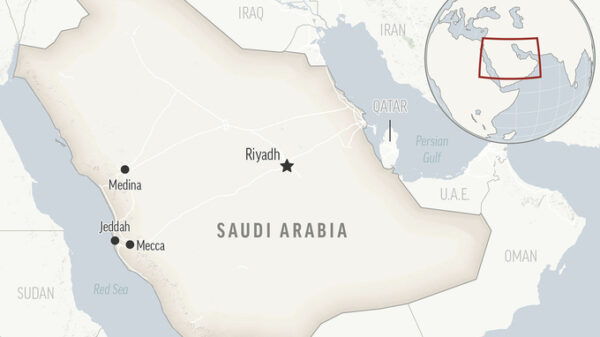
The announcement follows the recent seizure of an oil tanker off Venezuela’s coast by U.S. forces, an unusual action that drew immediate international attention. That operation came amid increased naval and air patrols in the Caribbean and eastern Pacific, where the United States has conducted multiple strikes on suspected smuggling vessels in recent months.
Venezuela Condemns Move as Illegal
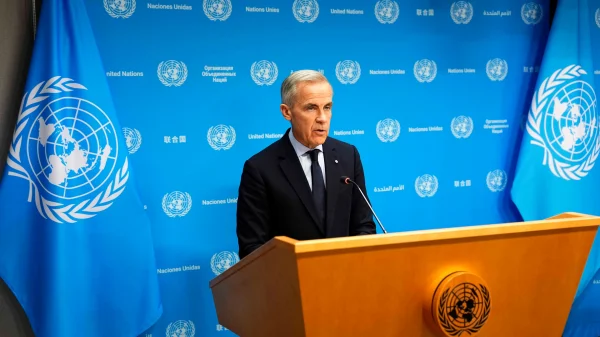
Venezuela’s government responded swiftly, accusing Washington of violating international law, free trade principles, and freedom of navigation. In an official statement, Caracas rejected any U.S. claim over Venezuelan oil, land, or mineral resources and said it would raise the issue before the United Nations.
Officials in Caracas characterized the proposed blockade as an attempt to coerce the country economically and politically, warning that such actions could destabilize the wider region.
Military and Political Implications
While the White House has defended the broader maritime campaign as part of U.S. anti-narcotics efforts, senior administration officials have suggested the strategy is also designed to weaken Maduro’s grip on power. The Pentagon has declined to provide operational details, referring questions back to the White House.
The U.S. Navy currently maintains a significant presence near Venezuela, including an aircraft carrier, amphibious assault ships, and maritime patrol aircraft capable of tracking commercial shipping routes. Analysts say these assets give the United States the technical ability to monitor and potentially intercept tanker traffic, though the legal framework for enforcing such a blockade remains unclear.
Oil at the Center of the Crisis
Venezuela holds the world’s largest proven oil reserves and produces roughly one million barrels per day. Oil exports are the backbone of its economy, particularly as other industries have withered under years of sanctions and mismanagement.
Since U.S. oil sanctions were imposed in 2017, Venezuela’s state-owned oil company, PDVSA, has largely been excluded from formal global markets. To keep exports flowing, the country has relied on intermediaries and unflagged tankers, selling much of its crude at discounted prices—primarily to China, with smaller volumes going to the United States through special licenses and to allies such as Cuba.
Energy experts warn that a sustained blockade could significantly disrupt these flows, further straining Venezuela’s economy and deepening its humanitarian crisis.
Uncertainty Ahead
Trump’s declaration raised additional questions by referencing Venezuela as a “foreign terrorist organization,” a designation typically reserved for non-state actors. While the U.S. has labeled a Maduro-linked drug trafficking network as a terrorist group, Venezuela itself is not designated as a state sponsor of terrorism, adding to the legal ambiguity surrounding the announcement.
As tensions rise, diplomats and analysts alike are watching closely to see whether the blockade will be formally implemented and how Venezuela—and the international community—will respond. What is clear is that the standoff between Washington and Caracas has entered a new and more volatile phase.