Cairo — Iran’s economy is reeling under the combined pressure of sustained military strikes, rising inflation, and an escalating blockade, yet its leadership appears determined to outlast the United States in a high-stakes geopolitical standoff.
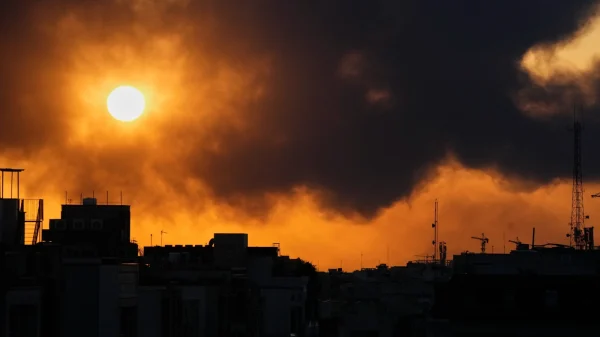
Over recent weeks, extensive airstrikes by the United States and Israel have severely damaged Iran’s industrial backbone. Thousands of factories have reportedly been hit, disrupting production across key sectors including steel, petrochemicals, pharmaceuticals, and manufacturing. The economic fallout has been swift, with widespread job losses and sharp price increases affecting everyday goods.
Official figures suggest that at least one million jobs have already been lost due to the conflict, while economists warn that up to half of Iran’s workforce could face unemployment if conditions worsen. Prices of essential food items have surged dramatically, with poultry costs rising by roughly 75% in a month and red meat prices climbing nearly 70%. Dairy products have also seen significant increases, adding to the financial strain on households.
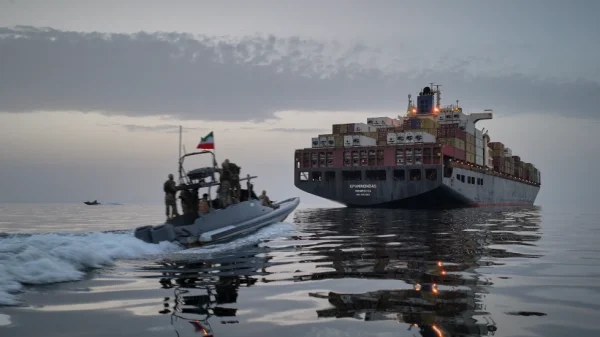
The situation is expected to deteriorate further as U.S. forces enforce a blockade on Iranian ports, restricting both imports and the country’s crucial oil exports. This economic squeeze threatens a major source of national revenue and risks fueling public unrest, reminiscent of earlier protests driven by inflation and economic hardship.
Despite mounting domestic challenges, Tehran holds a powerful bargaining chip: control over the Strait of Hormuz. This narrow passage is a vital artery for global energy supplies, handling a significant share of the world’s oil and gas shipments. Iranian officials have indicated they may ease restrictions on maritime traffic in exchange for lifting the blockade and ending hostilities.
Industrial Collapse and Supply Chain Disruptions
The strikes have crippled Iran’s industrial capacity. Major steel producers and petrochemical plants—cornerstones of the country’s non-oil exports—have halted operations. Analysts estimate that around 20% of Iran’s production units have been damaged or shut down.
The ripple effects are visible across the economy. Shortages of raw materials have driven up costs for industries reliant on petrochemical products, affecting everything from construction materials to packaging for food supplies. In cities like Kashan, known for its historic carpet industry, manufacturing activity has nearly stopped, with most producers suspending operations due to rising costs and collapsing demand.
Small and medium-sized businesses have also been hit hard, particularly as internet restrictions—imposed during earlier unrest—continue to limit online commerce.
Rising Uncertainty for Workers and Businesses
Across multiple sectors, companies are scaling back or shutting down entirely. Construction projects have stalled, factories are laying off employees, and professionals face an uncertain future as hiring freezes spread.
Business owners warn that disruptions in petrochemical production have had cascading effects across nearly all industries. Even firms not directly reliant on these materials are affected through supply chain dependencies and contract cancellations.
Government Response and Economic Resilience
Iranian authorities have attempted to reassure the public by pledging increased support through unemployment benefits and social programs. However, experts caution that the country’s social safety net is under growing pressure, particularly as government revenues decline.
Despite these challenges, some analysts argue that Iran’s economy has developed resilience after years of international sanctions. Stockpiles of essential goods and diversified trade routes—particularly overland and via the Caspian region—may help cushion the impact of the blockade in the short term.
Still, long-term recovery remains uncertain. Much will depend on whether Tehran can secure relief from international sanctions as part of any future agreement.
High-Stakes Gamble
Iran’s leadership appears to be betting that its ability to endure economic hardship will outlast political pressure from Washington. By leveraging its strategic position over global energy routes, Tehran is seeking to force concessions while maintaining internal stability.
However, with inflation rising, industries collapsing, and millions facing economic insecurity, the risks of prolonged confrontation remain significant—not only for Iran but for global markets tied to the region’s energy flows.