


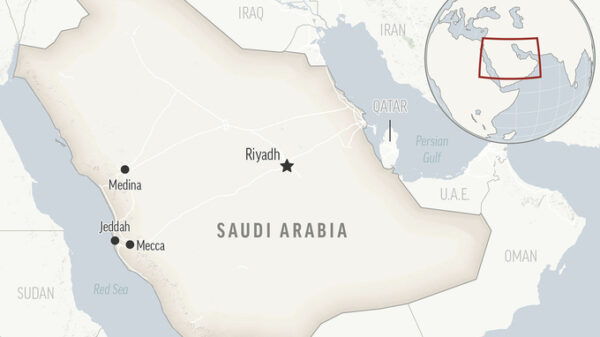









Dubai — Efforts to secure a lasting ceasefire between Iran and the United States remain uncertain, even after Tehran introduced a new proposal aimed at easing tensions in the strategically vital Strait of Hormuz.
Despite a temporary truce, negotiations have slowed significantly, with both sides holding firm to their شروط, raising concerns about prolonged instability in global energy markets and the wider economy.
Iran’s Proposal Falls Short of U.S. Expectations
Iran’s latest offer focuses on reopening the Strait of Hormuz in exchange for the United States lifting its economic blockade and agreeing to a long-term ceasefire. However, the proposal notably postpones discussions surrounding Tehran’s nuclear program—an issue Washington considers central.
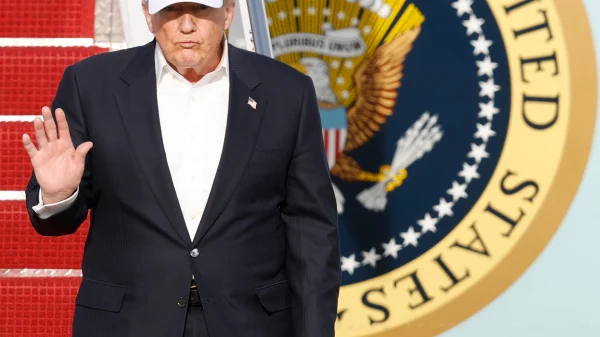
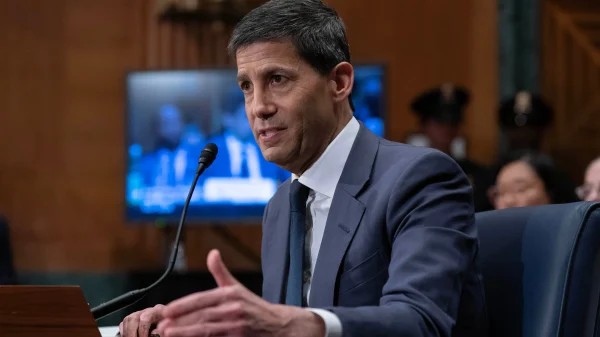
U.S. President Donald Trump has repeatedly emphasized that any agreement must prevent Iran from developing nuclear weapons. Echoing this stance, Secretary of State Marco Rubio signaled that Washington is unlikely to accept a deal that excludes nuclear restrictions.
Strategic Standoff Continues
The Strait of Hormuz remains effectively closed, intensifying pressure on both sides. For Iran, the U.S. blockade is choking off oil exports—its primary revenue source. For Washington and its allies, restricted shipping through the waterway has driven up fuel prices and disrupted supply chains worldwide.
Roughly one-fifth of global oil and gas shipments typically pass through the strait, making its closure a critical concern for economies across Asia, Europe, and beyond.
Global Impact Deepens
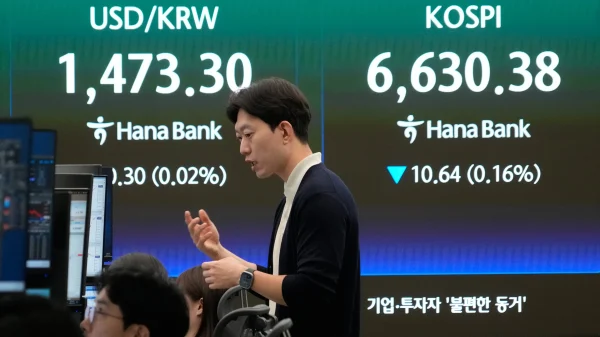
The prolonged الأزمة is already affecting international markets. Rising energy costs are pushing up prices for transportation, food, and industrial goods. Some regions are beginning to face shortages of fuel and related products, underscoring the الأزمة’s far-reaching consequences.
With U.S. midterm elections approaching, the economic fallout is also adding political pressure on Washington to stabilize fuel prices.
Diplomacy on Hold
Mediation efforts led by Pakistan have yet to yield a breakthrough. Planned talks in Islamabad were quietly shelved over the weekend, signaling a lack of immediate progress.
Earlier high-level negotiations involving JD Vance marked rare direct engagement between the two nations but ended without agreement.
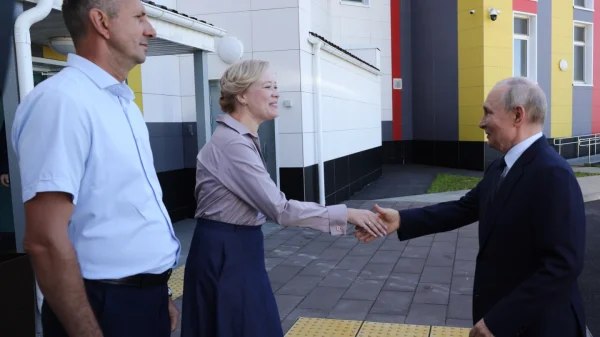
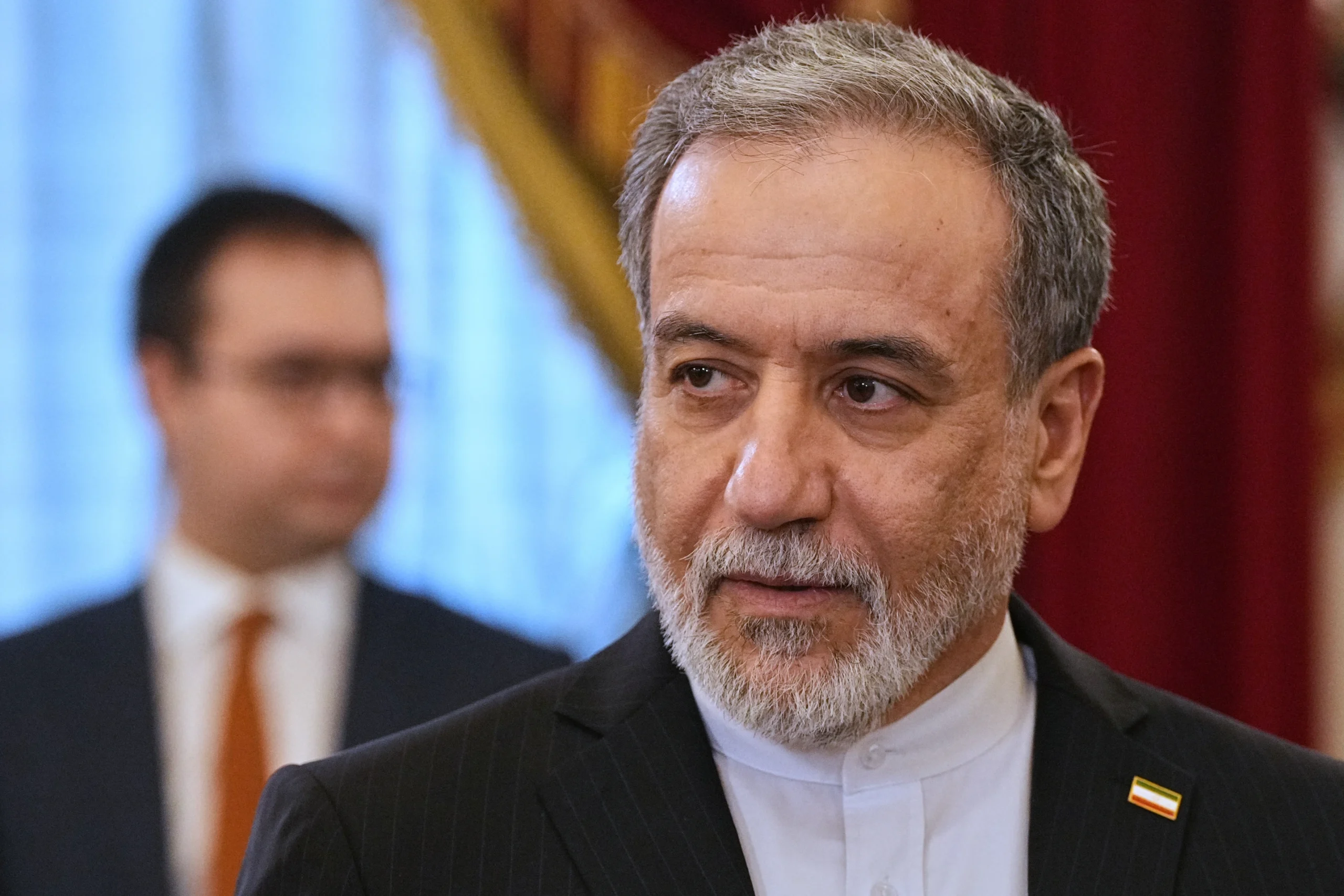
Meanwhile, Iran has intensified diplomatic outreach, with Foreign Minister Abbas Araghchi meeting Vladimir Putin in Russia as Tehran seeks support from key allies.
Military Build-Up Raises Stakes
As diplomacy stalls, the U.S. has increased its military presence in the Middle East, deploying multiple aircraft carrier groups, including the USS Abraham Lincoln, USS Gerald R. Ford, and USS George H.W. Bush.
The expanded deployment underscores the high stakes of the standoff and raises concerns about potential escalation if negotiations fail.
Uncertain Path Ahead
Although a ceasefire remains in place, it currently lacks a clear timeline or framework for a permanent resolution. Iran continues to demand immediate relief from sanctions, while the U.S. insists on broader concessions, particularly on nuclear and regional security issues.
With both sides waiting for the other to уступить, the مستقبل of negotiations remains unclear. For now, the fate of global energy stability—and the possibility of a lasting peace—hangs in the balance.