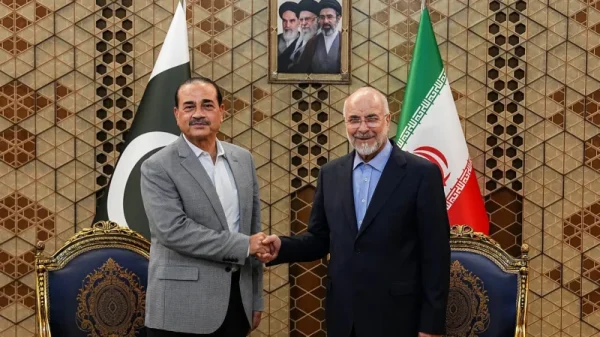
Diplomatic efforts between the United States and Iran took a significant step forward on Sunday as both sides agreed on a framework aimed at reaching a comprehensive agreement within the next 60 days. The breakthrough came during high-level negotiations in Switzerland, where officials focused on key issues including Iran’s nuclear program, economic sanctions, and regional security concerns.
The discussions marked the first major meeting under a recently signed memorandum of understanding involving the United States, Iran, and mediating nations Qatar and Pakistan. Representatives described the talks as productive and constructive, highlighting progress toward establishing a structured path for future negotiations.
According to a joint statement issued by the mediators, participants agreed to form a High-Level Committee responsible for overseeing the negotiation process. The committee will supervise a roadmap designed to guide technical discussions over the coming weeks and support efforts to finalize a broader agreement within the two-month timeline.
Technical Negotiations to Continue
Negotiators are expected to spend the remainder of the week addressing complex issues related to nuclear activities, sanctions relief mechanisms, and dispute resolution procedures. Officials involved in the talks said detailed technical discussions are essential for transforming political commitments into a workable agreement.
The negotiations also resulted in the creation of a communication channel intended to reduce the risk of escalation in Lebanon, where tensions between Israel and the Iran-backed Hezbollah movement continue despite ongoing diplomatic efforts.
Regional Tensions Complicate Diplomacy
While negotiators reported progress in Switzerland, regional developments have continued to challenge the peace process. Clashes and military strikes in southern Lebanon have raised concerns that instability could undermine diplomatic momentum.
Iranian officials emphasized that reducing violence in Lebanon remains a key priority. Tehran has argued that a sustainable agreement must include measures to prevent further escalation in the region.
At the same time, U.S. President Donald Trump issued several strong warnings directed at Iran, particularly regarding the Strait of Hormuz and Tehran’s relationship with Hezbollah. Iranian authorities responded by condemning what they described as threatening rhetoric, arguing that such statements could jeopardize ongoing negotiations.
Strait of Hormuz Remains a Key Issue
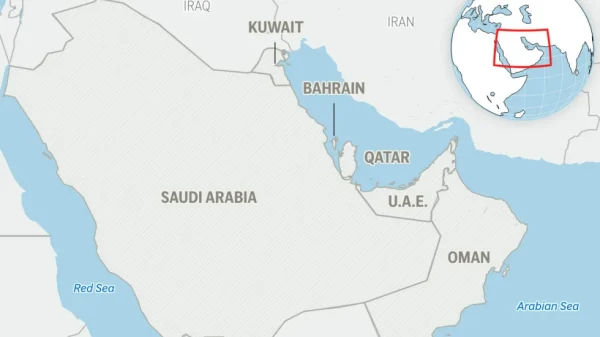
The Strait of Hormuz, one of the world’s most important energy transit routes, remains at the center of international concern. Roughly one-fifth of global oil shipments pass through the narrow waterway, making any disruption a significant risk to global energy markets.
Recent disputes over the status of the strait have added another layer of complexity to the negotiations. Iranian officials have linked maritime security issues to broader regional developments, while U.S. officials continue to stress the importance of maintaining freedom of navigation.
Optimism Despite Challenges
Despite lingering disagreements, officials from both sides expressed cautious optimism following the latest round of talks. U.S. representatives described the discussions as substantial and indicated that negotiators had engaged in detailed exchanges covering all major aspects of a potential agreement.
Iranian leaders also signaled support for continued diplomacy, emphasizing that renewed conflict would not serve the interests of the country or the wider region.
The next phase of negotiations will focus on technical details that could determine whether the current diplomatic momentum results in a lasting agreement. Observers say the coming weeks will be critical as both sides attempt to bridge longstanding differences over nuclear restrictions, sanctions relief, and regional security commitments.
With a 60-day deadline now in place, international attention remains fixed on Switzerland, where negotiators hope to transform recent progress into a comprehensive deal capable of reducing tensions across the Middle East.