






















A fragile ceasefire between the United States and Iran came under renewed strain after American forces carried out airstrikes on Iranian military installations following the reported downing of a U.S. military drone. The latest exchange has heightened concerns about regional stability, with Kuwait also reporting incoming drone and missile threats.
According to the U.S. military, the strikes targeted Iranian radar systems, drone command infrastructure, and other military assets located near Geruk and on Qeshm Island. Officials said the operations were conducted over the weekend in response to what Washington described as hostile Iranian actions, including the destruction of a U.S. MQ-1 Predator drone operating over international waters.
In a statement, U.S. Central Command said the military response was carefully planned and aimed at neutralizing threats to regional maritime security. American forces reportedly destroyed air defense systems, a ground-control station, and multiple attack drones believed to pose risks to commercial and military vessels operating in nearby waters.
No casualties among U.S. personnel were reported.
Kuwait Intercepts Incoming Threats
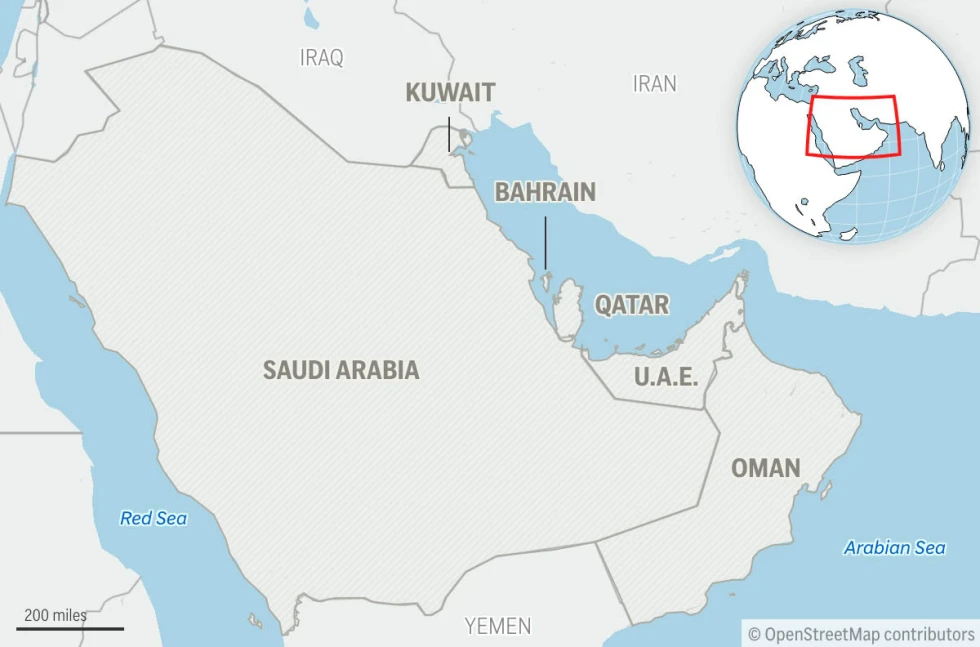
As tensions escalated, Kuwaiti authorities announced that their air defense systems had intercepted several incoming drones and missiles early Monday. While officials did not immediately identify the source of the projectiles, the incident raised fears that the conflict could spread further across the Gulf region.
Iran’s Islamic Revolutionary Guard Corps acknowledged launching a retaliatory operation after accusing U.S. forces of targeting a communications facility on an island. Iranian officials did not specify the exact location of their response, though regional observers linked the claim to the attacks reported by Kuwait.
Ceasefire Faces Growing Pressure
The latest military exchange underscores the vulnerability of the ceasefire that has been in place for several weeks. Despite ongoing diplomatic efforts aimed at extending and strengthening the truce, both sides have continued to accuse each other of violations.
A major point of contention remains the Strait of Hormuz, a strategically vital shipping route through which a significant share of the world’s oil and natural gas supplies pass. Continued disruptions in the area have fueled concerns about global energy markets and international trade.
Wider Regional Conflict Intensifies
The situation is further complicated by ongoing conflicts elsewhere in the Middle East. Military activity along the Israel-Lebanon border continues to increase, with Israeli forces maintaining operations beyond the Litani River while Hezbollah launches drone attacks targeting Israeli territory.
Security analysts warn that simultaneous flashpoints across the region increase the risk of broader instability and could undermine ongoing diplomatic efforts to reduce tensions.
As negotiations continue behind the scenes, the latest military actions highlight the challenges facing regional peace initiatives and the possibility of further escalation if diplomatic solutions fail to gain traction.