















Ramallah, West Bank | July 20, 2026 — The Palestinian economy is facing an unusual financial challenge in the Israeli-occupied West Bank: banks are overwhelmed with physical cash they cannot process. The growing surplus of Israeli shekels has begun disrupting everyday business operations, limiting bank deposits, delaying payments, and placing additional pressure on an economy already weakened by ongoing political and economic tensions.
Cash Surplus Creates Banking Bottleneck
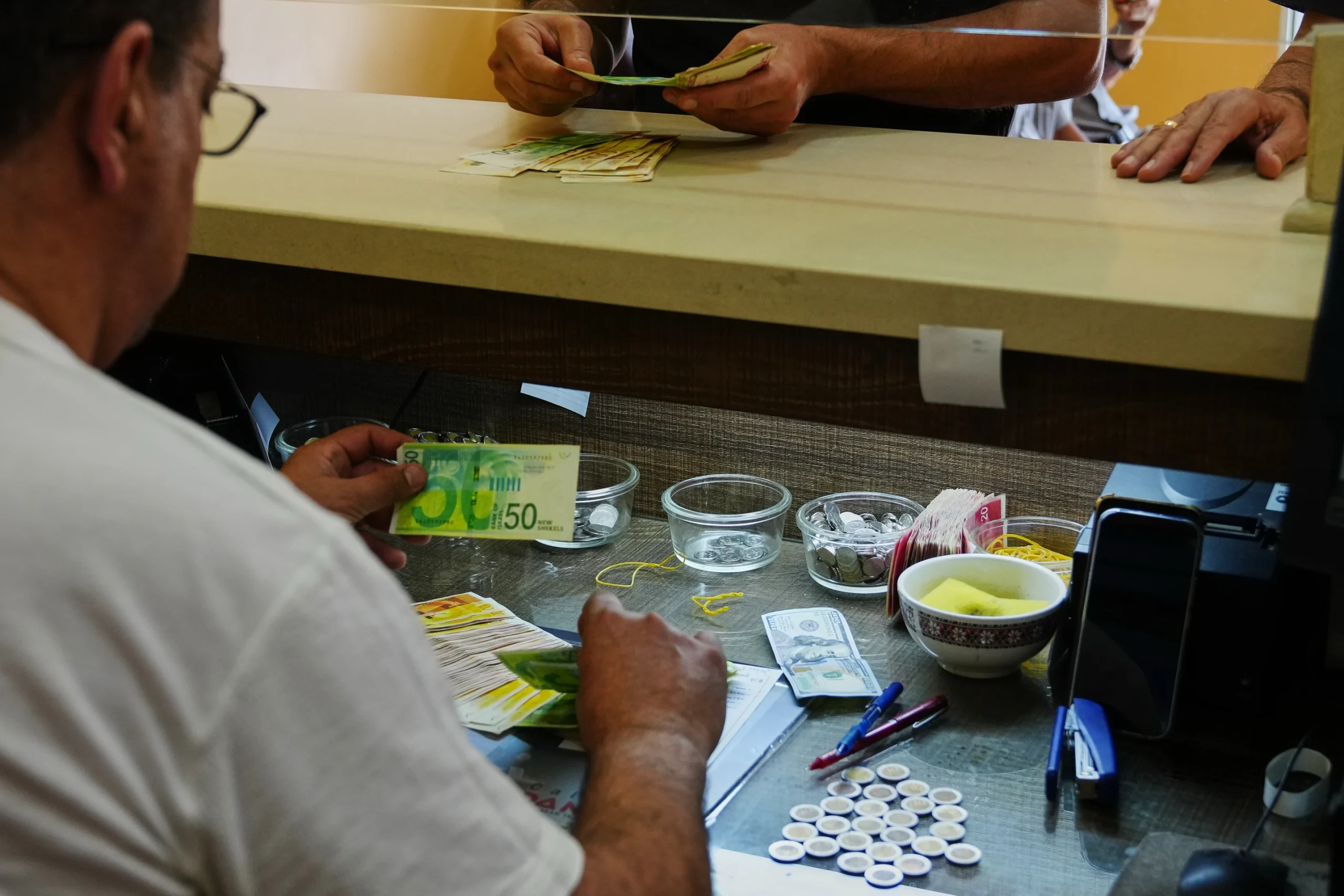
In most economies, cash remains a valuable asset. However, in the West Bank, an excessive accumulation of Israeli shekels has created a banking crisis. Commercial banks are struggling to store increasing volumes of physical currency after reaching their deposit limits, making it difficult for businesses and individuals to deposit cash.
The situation has even affected routine transactions. Some fuel stations have reportedly refused cash payments because their banks can no longer accept additional deposits, highlighting the severity of the liquidity management problem.
Dispute Over Cash Transfers
The crisis stems from restrictions on the movement of physical currency between Palestinian financial institutions and the Bank of Israel. While Palestinian banks continue receiving large amounts of Israeli shekels, officials say Israel limits the volume of cash that can be transferred back, preventing banks from converting physical notes into electronic balances.
Palestinian Monetary Authority officials argue that these restrictions have not kept pace with the territory’s economic needs and have significantly affected the banking sector’s ability to function efficiently.
Why So Much Cash Is Accumulating
The West Bank relies heavily on the Israeli shekel as its primary currency. Large amounts of cash enter the territory through wages paid to Palestinian workers employed in Israel and Israeli settlements, as well as purchases made by Israeli citizens in Palestinian markets.
Because more cash flows into the West Bank than can be transferred out, banks continue accumulating billions of shekels that remain locked inside vaults instead of being used for lending, investment, or electronic financial transactions.
Economic experts estimate that Palestinian banks now receive around 30 billion shekels annually, while the permitted transfer capacity remains significantly lower, creating an expanding backlog of physical currency.
Businesses Face Rising Financial Pressure
The growing cash surplus has created operational difficulties for businesses across multiple sectors. Companies that rely heavily on cash payments are finding it increasingly difficult to deposit their earnings, forcing some to seek costly alternatives to maintain daily operations.
Many businesses have reportedly taken out short-term loans or exchanged cash into foreign currencies simply to make electronic payments to suppliers. Additional spending on cash storage, security, and insurance has further increased operating costs.
Fuel distributors have warned that delayed payments to suppliers could disrupt fuel deliveries, while other importers fear similar problems involving food, medical supplies, and essential goods.
Broader Economic Challenges
The banking difficulties come amid wider economic challenges facing the Palestinian territories. Since the outbreak of the Gaza conflict in 2023, restrictions on Palestinian workers entering Israel, reduced commercial activity, and financial pressures on the Palestinian Authority have contributed to slowing economic growth.
Banks are also experiencing reduced profitability because large amounts of idle cash cannot be used to finance loans or other financial services. Financial analysts warn that the continued buildup of unused currency weakens the banking sector and limits access to credit for businesses and consumers.
Concerns Over Essential Services
Palestinian officials say the cash crisis is beginning to affect the government’s ability to finance essential public services. Payments for imported electricity, fuel, and water—much of which are sourced from Israel—depend on efficient banking transfers.
When banks cannot convert excess cash into electronic funds, processing payments to suppliers becomes increasingly difficult, creating concerns about future disruptions to critical infrastructure and public services.

Calls for a Long-Term Solution
Business leaders and financial experts are urging both Israeli and Palestinian authorities to reach a practical solution that allows smoother movement of physical currency and restores normal banking operations.
They warn that unless the growing cash surplus is addressed, businesses may struggle to import essential products, maintain operations, and support economic activity across the West Bank.
Economists believe resolving the banking imbalance will be essential for stabilizing the Palestinian economy and preventing further disruption to trade, investment, and everyday financial transactions.