Dubai | July 20, 2026 — Tensions between the United States and Iran have intensified following another wave of American airstrikes on Iranian military targets and retaliatory missile attacks launched by Tehran against Bahrain and Kuwait. The latest developments mark a significant escalation in the ongoing conflict, raising concerns over regional stability, global energy supplies, and the possibility of a wider war.
US Conducts New Airstrikes Following Death of American Soldier
The United States launched a fresh series of overnight strikes targeting multiple military installations across Iran after confirming the death of another American service member in Iraq. According to U.S. military officials, the soldier was killed during a controlled operation involving a downed Iranian drone.
Speaking after the strikes, President Donald Trump stated that the military action was carried out in response to the loss of American personnel, emphasizing that the United States would continue taking decisive action against Iranian threats.
Military Targets Hit Across Iran
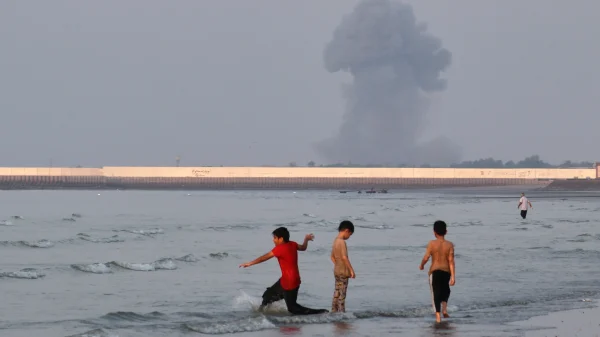
U.S. Central Command confirmed that the latest operation focused on strategic Iranian military infrastructure, including command centers, missile and drone launch facilities, air defense systems, coastal surveillance sites, maritime assets, and communication networks.
The operation represents the ninth consecutive night of American military strikes, reflecting the growing intensity of the conflict. Iranian state media reported explosions in several regions of the country but did not immediately provide information on casualties or infrastructure damage.
Iran Responds With Missile Attacks on Gulf States
In retaliation, Iran launched missile attacks targeting Bahrain and Kuwait, both key U.S. allies in the Gulf region. Bahrain activated nationwide missile warning sirens, while Kuwaiti air defense forces intercepted incoming projectiles.
The attacks further expanded the geographical scope of the conflict, increasing fears that neighboring Gulf nations could become directly involved in the confrontation.
Strait of Hormuz Remains at the Center of the Crisis
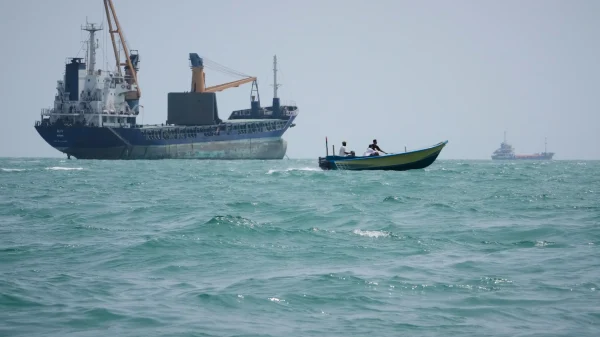
The Strait of Hormuz continues to play a critical role in the conflict. The strategic waterway, through which a significant share of the world’s oil supply normally passes, has experienced major disruptions due to ongoing military operations.
Reports also indicated that a vessel caught fire near Oman’s coastline in the Strait of Hormuz. While the exact cause remains under investigation, Iranian Revolutionary Guard forces later claimed responsibility for targeting oil tankers operating in the area.
The continued disruption of shipping routes has added pressure to global energy markets, with Brent crude oil prices climbing above $90 per barrel, raising fresh concerns about inflation and international fuel supplies.
Diplomatic Efforts Continue Despite Rising Violence
The recent escalation comes as a previously announced interim agreement aimed at reducing hostilities appears to be collapsing. Negotiations intended to establish a long-term settlement—including discussions surrounding Iran’s nuclear program—have made little progress.
U.S. Secretary of State Marco Rubio said Washington remains open to meaningful diplomatic negotiations but stressed that any future talks must produce concrete results.
Growing Human and Military Toll
Iranian officials reported that the latest U.S. strikes resulted in dozens of fatalities and hundreds of injuries. Since the conflict began in late February, casualties have continued to rise on both sides.
The United States has also suffered increasing military losses, with officials confirming that 17 American service members have been killed since the start of the conflict.
Regional and Global Concerns Mount
Military analysts warn that the continued exchange of attacks between Washington and Tehran increases the risk of a broader regional conflict involving additional Middle Eastern nations. The security of international shipping lanes, energy infrastructure, and civilian populations remains a major concern as both countries continue military operations.


With diplomacy struggling to gain momentum and military actions intensifying, global leaders are closely monitoring developments that could have far-reaching consequences for regional security and the international economy.