















The United States and Iran carried out another round of military strikes on Saturday, intensifying their confrontation over the strategically important Strait of Hormuz and raising concerns about regional stability and global energy supplies.
The latest exchange follows the collapse of a temporary ceasefire, with both countries continuing attacks on military positions, infrastructure, and strategic facilities across the Gulf region.
US Targets Iranian Military Infrastructure
According to U.S. Central Command, American forces launched their seventh consecutive night of operations, targeting Iranian surveillance facilities, military logistics centers, underground weapons storage sites, and maritime capabilities.
The strikes also reportedly hit infrastructure in Iran’s southern Hormozgan Province, including areas near the Strait of Hormuz. Iranian media reported damage to highways, bridges, tunnels, and power facilities around Bandar Abbas and Qeshm Island, key locations for Iran’s maritime operations.
Iran Expands Regional Retaliation
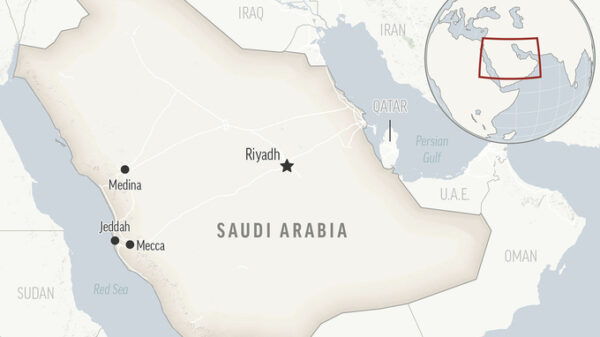
Iran responded with missile and drone attacks targeting several Gulf countries hosting U.S. military forces.
Kuwait announced that its air defense systems intercepted multiple Iranian missiles and drones. However, one strike hit a desalination plant, causing a fire and injuring several firefighters and workers. It marked the second attack on Kuwait’s water infrastructure within two days.
Iraq also reported intercepting drones over Irbil, while Jordan confirmed its air defenses shot down incoming missiles. Bahrain activated air raid sirens as regional air defense systems responded to the escalating threat.
Rising Casualties
Iranian authorities said recent U.S. strikes have killed at least 46 people and injured more than 400.
The United States confirmed additional injuries among its military personnel, bringing the total to 14 service members killed and 427 wounded since the conflict began earlier this year.
Strait of Hormuz Remains at Center of Conflict
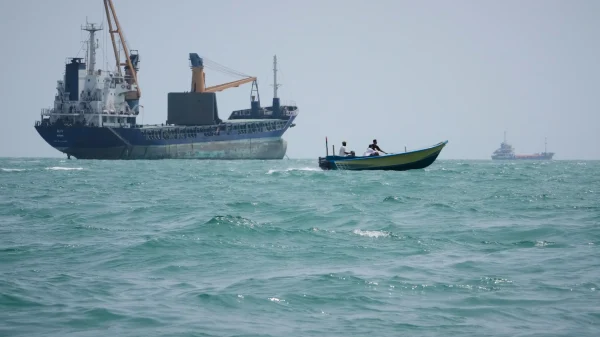
The Strait of Hormuz continues to be the main flashpoint in the conflict.
Iran maintains that it has the right to control the waterway and has called for commercial vessels to pay transit fees. The United States and its allies reject that position, insisting the strait remains an international shipping route that must remain open to global trade.
The strategic waterway previously handled roughly 20% of global oil and natural gas shipments, making any disruption a significant concern for international energy markets.
Shipping activity through the strait has dropped sharply, while oil prices climbed above $86 per barrel, reflecting growing fears of prolonged instability.
Trump Signals Continued Military Pressure
President Donald Trump said this week that U.S. military operations were making significant progress while facing increasing political pressure to avoid a prolonged Middle East conflict.
The administration has also reinstated a naval blockade on Iranian ports in an effort to restrict Iran’s oil exports and increase economic pressure on Tehran.

Regional Tensions Continue to Rise
Iran’s Islamic Revolutionary Guard Corps warned that countries hosting U.S. military forces should expect further retaliation if attacks continue.
With military operations expanding across multiple countries and diplomatic efforts showing little progress, analysts warn that the confrontation could have far-reaching consequences for regional security, international shipping, and global energy supplies.