


















July 2026 — Hopes for a lasting ceasefire between the United States and Iran are rapidly fading as military exchanges intensify, raising fears of another major conflict in the Middle East. A series of attacks, counterattacks, and diplomatic setbacks has pushed both nations closer to a full-scale confrontation, with the strategically vital Strait of Hormuz once again at the center of the crisis.
Ceasefire Begins to Unravel
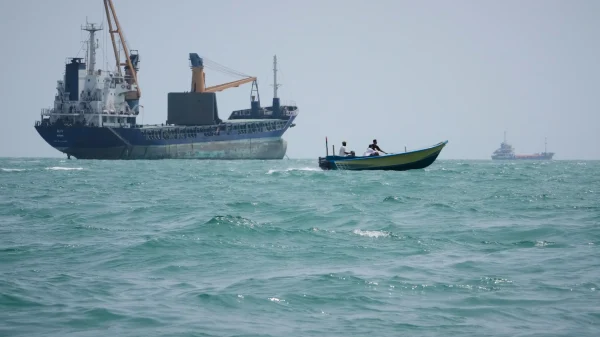
Just days after Washington and Tehran reached a preliminary agreement aimed at reducing hostilities, tensions reignited when an Iranian drone struck a commercial cargo vessel transiting the Strait of Hormuz on June 25. While the attack caused no fatalities and only limited damage, it triggered a swift military response from the United States.
The incident marked the beginning of a renewed cycle of retaliation, gradually dismantling the fragile agreement that had temporarily paused the fighting.
Strait of Hormuz Remains the Main Flashpoint
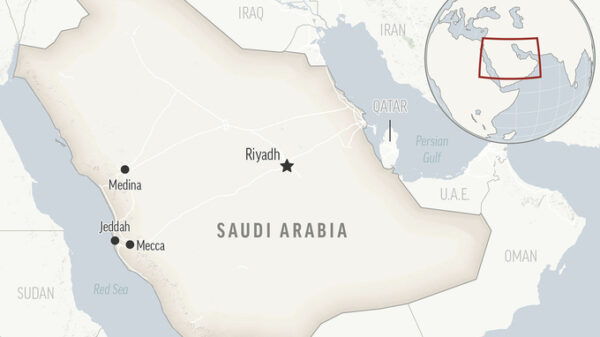
The Strait of Hormuz remains one of the world’s most strategically important maritime routes, serving as a major passage for global oil and natural gas shipments.
Iran has argued that it has the authority to regulate shipping through the waterway following provisions included in the preliminary agreement. However, the United States and its allies reject Tehran’s interpretation, insisting that the strait must remain open for unrestricted international navigation without additional controls or transit fees.
Disagreements over maritime access have become one of the primary sources of the renewed confrontation.
Military Escalation Intensifies
Following the drone strike, U.S. forces launched attacks on what they described as Iranian missile facilities, drone launch sites, coastal radar systems, and military infrastructure.
Iran responded by targeting another commercial tanker traveling along an alternative shipping corridor. The conflict quickly expanded as Tehran launched strikes against Gulf nations, including Bahrain and Kuwait, both of which host U.S. military forces.
Although diplomatic efforts briefly resumed through mediation by Qatar, negotiations failed to produce a breakthrough, and no direct talks took place between American and Iranian representatives.
Fresh Attacks Deepen the Crisis
The situation deteriorated further after Iran reportedly attacked three additional vessels operating in the Strait of Hormuz.
In response, the United States carried out another round of military operations targeting Iranian air defense systems, surveillance installations, and dozens of fast patrol boats associated with the Islamic Revolutionary Guard Corps (IRGC), which Washington says have been used to threaten commercial shipping.
The U.S. also reinstated restrictions on Iran’s international oil sales, reversing sanctions relief that had been granted under the temporary agreement. Iranian officials condemned the move as a violation of the ceasefire framework and vowed further retaliation.
Regional Security Under Pressure
As hostilities expanded, Iran launched strikes affecting Bahrain, Kuwait, and Qatar, increasing concerns that the conflict could spread across the Gulf region.
Political leaders on both sides have exchanged increasingly forceful statements, while military activity has continued to escalate across land, sea, and air.
Analysts warn that continued attacks on regional infrastructure and international shipping could significantly impact global energy markets and commercial trade.

Concerns Over Civilian Infrastructure
Recent U.S. military operations have reportedly expanded beyond coastal areas into northern and southern Iran, striking bridges, electrical facilities, and surveillance infrastructure linked to military operations.
Iran has claimed that dozens of people have been killed and hundreds injured since fighting resumed, though independent verification remains limited.
Meanwhile, attacks affecting critical water infrastructure in Kuwait have heightened fears that essential civilian facilities are becoming targets, potentially marking another dangerous phase in the conflict.
Diplomatic Window Narrowing
Despite ongoing mediation efforts, prospects for restoring the preliminary agreement appear increasingly uncertain. Both countries continue to accuse each other of violating the terms of the ceasefire while maintaining firm positions on control of the Strait of Hormuz.
With military operations expanding and diplomatic channels under strain, regional observers warn that the Middle East could be approaching another prolonged period of instability unless negotiations resume soon.