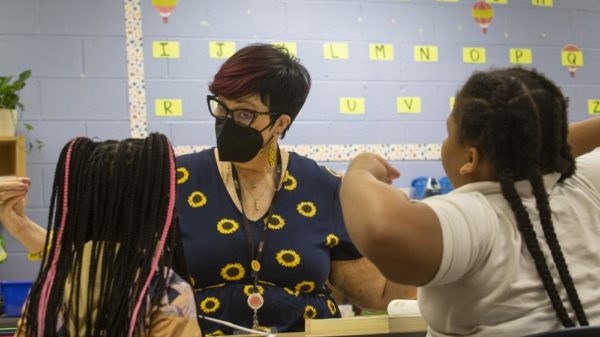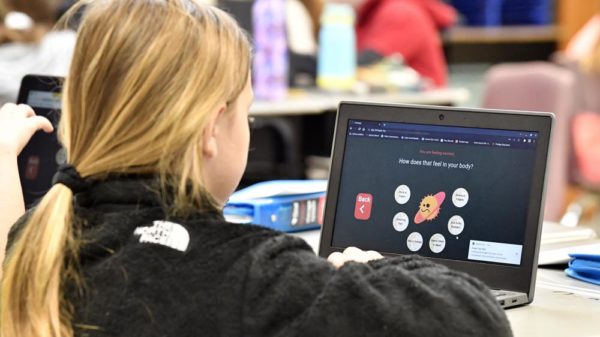
























Starting at a new school can be exciting, but it can also leave children feeling nervous about fitting in and meeting new classmates. Whether a child is moving to a different school or entering a new stage such as middle or high school, parents can offer support without taking control of the process.
Experts and students who have experienced school transitions say small, consistent steps can make it easier for children to build friendships and develop a sense of belonging.
Create Opportunities to Meet Other Children
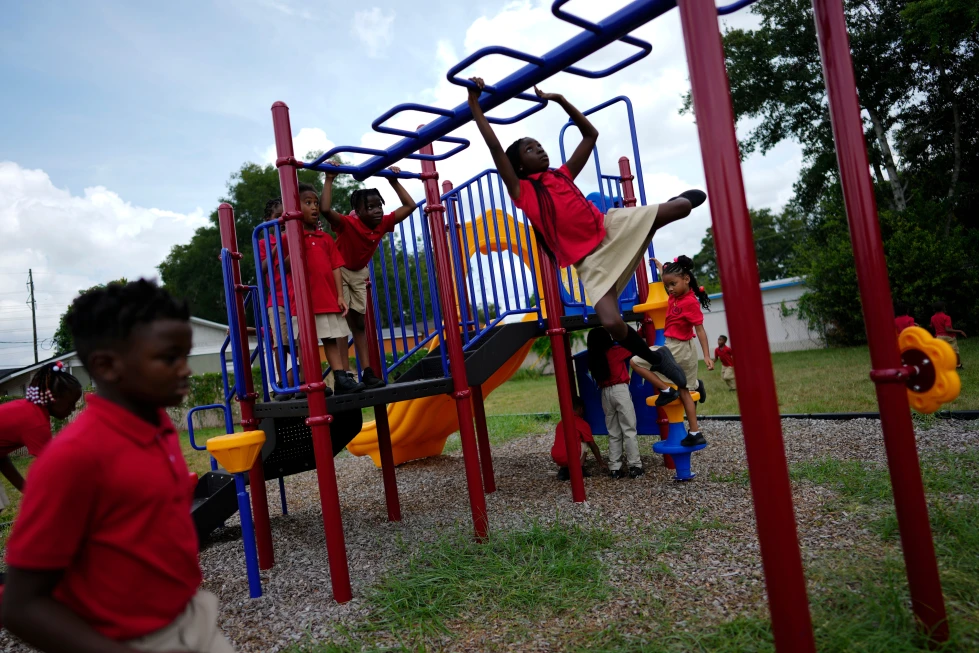
For younger children, parents can play an important role in creating opportunities for social interaction. Playdates, birthday parties, playground visits and community activities can give children a comfortable setting to meet potential friends outside the classroom.
Parents can also connect with other families and encourage regular activities together. These informal interactions can help children become more comfortable around new people and gradually develop friendships.
However, parents should avoid trying to choose every friend for their child. Instead, they can provide opportunities and allow relationships to develop naturally.
Teach Children What Makes a Good Friend
Children can benefit from learning how to recognize healthy friendships. Parents can ask questions such as:
- Does your friend treat you kindly?
- Can you be yourself around them?
- Do they listen to you?
- Do you feel comfortable and respected?
Difficult friendships and disagreements can also become learning experiences. Children can gradually develop their own understanding of trust, kindness, honesty and respect.
Parents can encourage conversations about friendship without immediately stepping in to solve every disagreement.
Encourage Activities and Hobbies
Extracurricular activities can be one of the easiest ways for students to meet classmates who share similar interests.
Sports teams, theater groups, music programs, debate clubs and other school activities provide natural opportunities for conversation and teamwork. Parents can encourage children to try something new, particularly if they are having difficulty finding friends in the classroom.
A shared interest can make starting a conversation much easier.
Simple approaches such as giving someone a compliment, asking a question or talking about a common activity can help break the ice.
Give Shy Children Time and Encouragement
Not every child will immediately feel comfortable approaching strangers. Parents should recognize that children have different personalities and social styles.
Rather than pressuring a shy child to make several friends quickly, parents can encourage small goals. Saying hello to a classmate, joining an activity or sitting with someone new at lunch can be meaningful first steps.
Parents can also remind children that other students may be nervous about making friends, too. Recognizing that they are not alone can make the situation feel less intimidating.
Set Reasonable Boundaries Around Phones
Smartphones and headphones can sometimes make face-to-face conversations more difficult, particularly for teenagers. Parents can encourage children to put their devices aside during appropriate social situations and remain open to conversations around them.

At the same time, overly strict technology rules can potentially make teenagers feel more isolated. Families should have realistic conversations about phones, gaming and social media while also recognizing that technology can help young people maintain friendships when they live far apart.
One Good Friend Can Make a Difference
Children do not need a large group of friends to feel connected at school. Even one close friendship or trusted relationship can provide valuable emotional support and a stronger sense of belonging.
Research from the Centers for Disease Control and Prevention has linked school connectedness with positive outcomes, including better attendance and academic performance and lower risks of certain health and behavioral problems.
For parents, the goal should not necessarily be to help their child become popular. Instead, it is to help them feel safe, supported and connected.
Starting at a new school may feel overwhelming at first, but friendships often develop gradually. With encouragement, patience and opportunities to meet others, children can gain the confidence to build meaningful relationships on their own.