




















KATHMANDU, Nepal — Rescue teams in Nepal are racing against time to locate hundreds of hydropower workers believed to be trapped inside tunnels after devastating flash floods along the Nepal-China border pushed the combined death toll beyond 950.
At least 900 workers are reportedly unaccounted for at 12 hydropower projects in Nepal’s Rasuwa and Nuwakot districts, according to the Independent Power Producers’ Association, Nepal. Around 500 workers are believed to be inside underground tunnels that were flooded or buried by mud and debris.
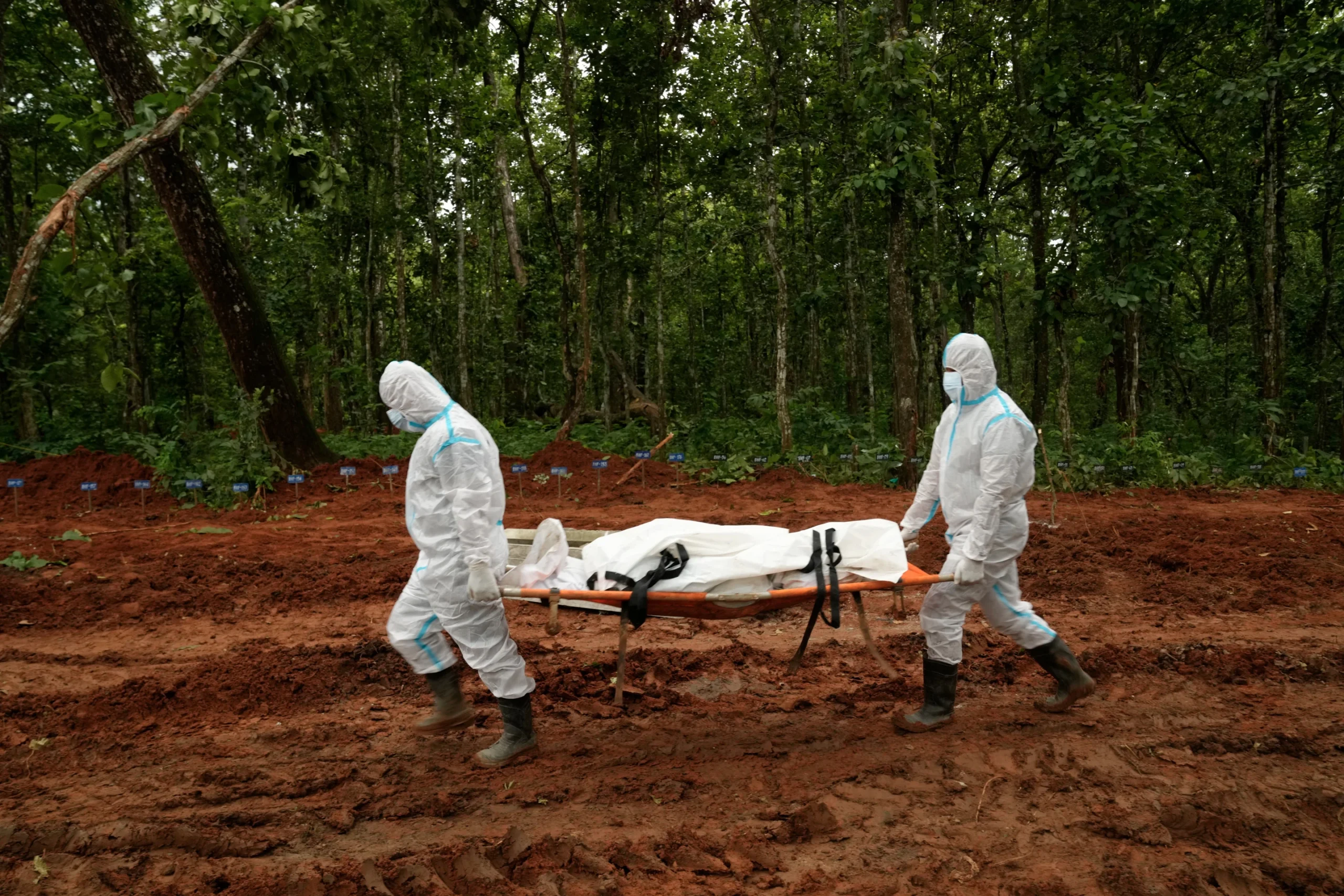
Nepal’s army said four bodies had been recovered from three mud-filled tunnels as search teams continued efforts to reach workers who may still be alive.
The floods struck last Wednesday after a major glacial collapse in the Himalayas triggered an enormous surge of water, rocks and sediment through downstream valleys. The resulting torrents destroyed homes, roads, bridges and infrastructure on both sides of the Nepal-China border.
Rescue Teams Face a Race Against Time
Some workers managed to escape when the flooding began, while others reportedly contacted colleagues or relatives for help. However, rescuers have struggled to determine whether there has been any communication with those still believed to be underground.
Mohan Kumar Dangi, president of the Independent Power Producers’ Association, said some workers may have access to oxygen, but prolonged confinement without adequate food and water is raising fears for their survival.
The tunnels at several hydropower facilities are large enough for heavy vehicles, highlighting both the scale of the underground infrastructure and the difficulties facing rescue crews.
At the Upper Trishuli-1 Hydropower Project in Rasuwa, about 576 people were reported missing, with roughly 300 believed to be trapped inside tunnels.
At the Trishuli-3 Hydropower Project, Nepalese military personnel were working to clear approximately 15 meters of material to reach people believed to be trapped underground.
Death Toll and Missing Persons Continue to Rise
Nepal’s disaster authorities reported hundreds of deaths and thousands of missing people following the flooding. China has also reported fatalities and hundreds of missing people in areas affected by the disaster.
Foreign nationals are among those still unaccounted for. The United States has reported dozens of missing citizens, while Chinese authorities have said many foreign nationals are included in their missing-person figures.
The uncertainty has left families desperately searching hospitals, rescue centers and morgues for information.
In one case, an Indian travel company owner traveled to Nepal after his son disappeared while leading a group of pilgrims returning from Mount Kailash in Tibet. The group was reportedly waiting to cross into Nepal when floodwaters swept through a Chinese border immigration facility.
Surveillance footage showed people attempting to escape as water rushed through the complex.
Border Infrastructure Also Severely Damaged
Flooding has caused major damage to transportation links between China and Nepal. On the Chinese side, emergency crews have been working to restore roads leading toward the Gyirong border crossing, an important route connecting the two countries.

Chinese state media showed heavy machinery and trucks carrying large rocks as workers attempted to repair damaged sections of the roadway. Some areas remained submerged under several meters of water.
The destruction has complicated rescue operations by cutting off roads and isolating communities in remote Himalayan areas.
Glacial Collapse Triggered Catastrophic Flooding
Scientists examining satellite imagery said the disaster began with the collapse of bedrock beneath a glacier. The resulting rockfall brought part of the glacier down with it, sending enormous quantities of rock and meltwater into rivers below.
The event was powerful enough to register as a magnitude 5.2 seismic disturbance, according to scientists cited in reports on the disaster.
The sudden increase in river levels transformed waterways into powerful torrents capable of carrying massive boulders, mud and wreckage downstream.
Children and Displaced Families Need Urgent Aid
The humanitarian consequences are spreading well beyond the immediate death and destruction.
The United Nations estimates that tens of thousands of people need emergency water, sanitation and hygiene supplies. Thousands of children also require protection and psychological support after losing homes, schools or family members.
Aid officials have warned that young children and pregnant or breastfeeding women face particularly serious nutritional risks.
More than 10,000 school-age children are expected to need psychosocial assistance, while preliminary reports indicate that more than 100 children may have become separated from parents or other caregivers.
Schools across affected areas have also been damaged, destroyed or converted into emergency shelters, further disrupting education for children already dealing with the trauma of the floods.
As rescue crews continue clearing debris from hydropower tunnels and isolated communities, families remain focused on one urgent question: whether their missing relatives can still be brought home alive.