


















Pacific Island Nation’s President David Adeang Calls for Global Recognition of Its Traditional Name and Cultural Identity
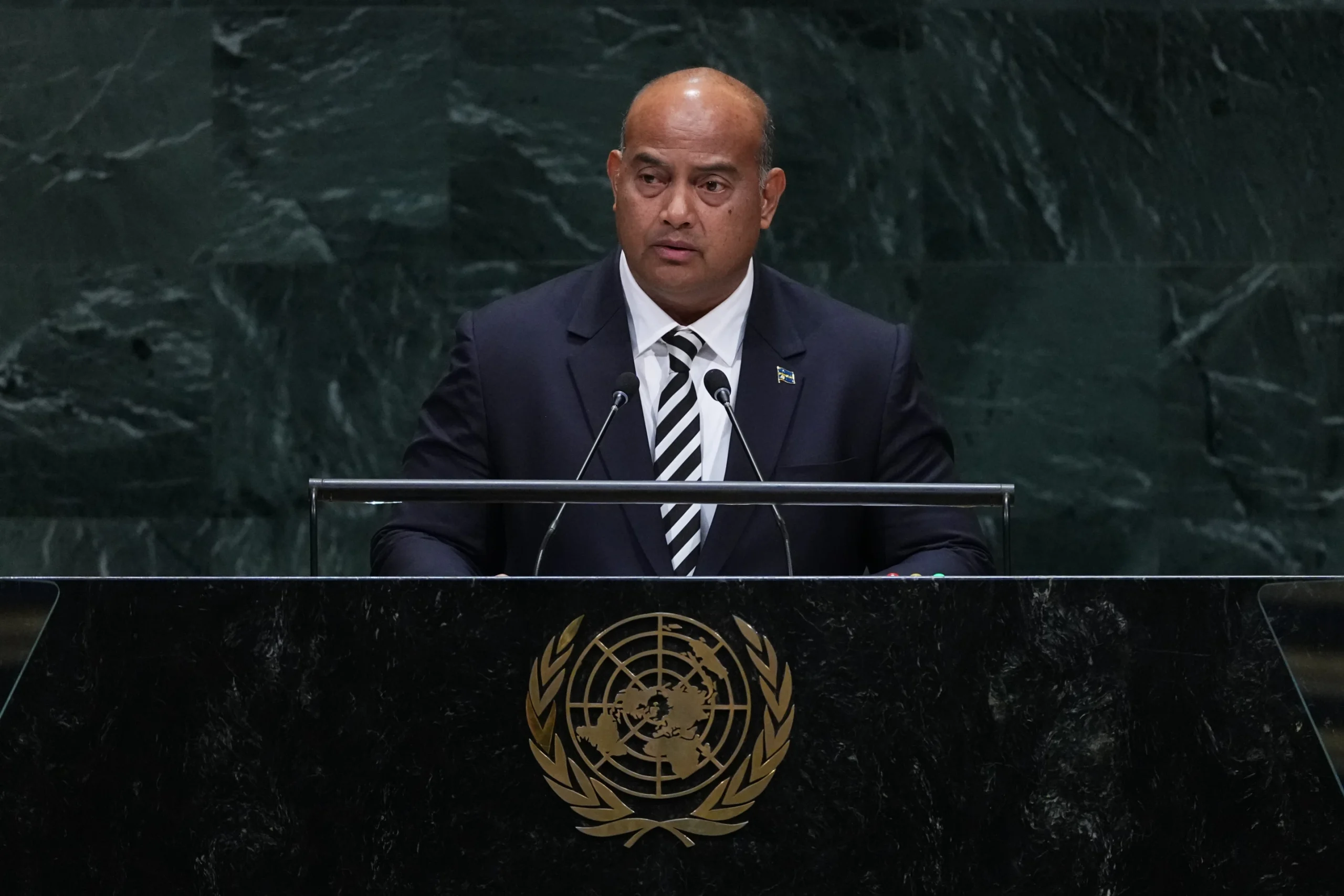
NEW YORK, September 23, 2026: The small Pacific island nation of Nauru has taken a significant step toward reclaiming its cultural identity, announcing its return to the traditional name Naoero during an address to the United Nations General Assembly.
President David Adeang made the announcement Tuesday, urging the international community to recognize the name used by the island’s people and respect its historical and linguistic roots.
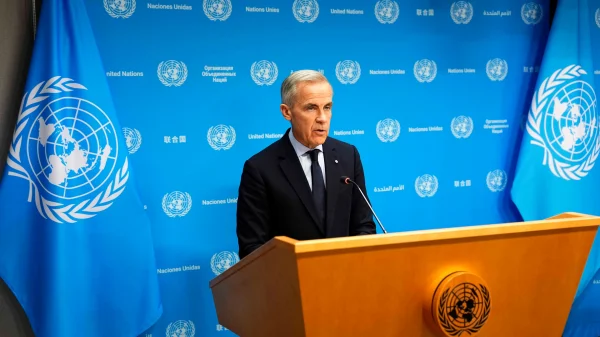
Speaking before global leaders in New York, Adeang emphasized that the change represented more than a spelling adjustment. He described it as an effort to reconnect the nation with its heritage and reaffirm an identity that has existed for generations.
Nauru Officially Embraces the Name Naoero
For decades, the country has been internationally recognized as Nauru. However, President Adeang explained that the name and pronunciation commonly used abroad differ from the traditional form used by the local population.
The revised name, Naoero, is pronounced “Now-ero,” compared with the commonly used pronunciation of “Nauru,” which sounds like “Now-roo.”
Adeang said the decision was intended to restore the nation’s original identity rather than erase its historical experiences.
The government announced the name change in August 2026, following an earlier indication of its intentions in February.
Alongside the country’s new name, its international country code is being changed from NRU to NRO, while its citizens will be referred to as dei-Naoero instead of Nauruan.
A Small Nation With a Complex Colonial History
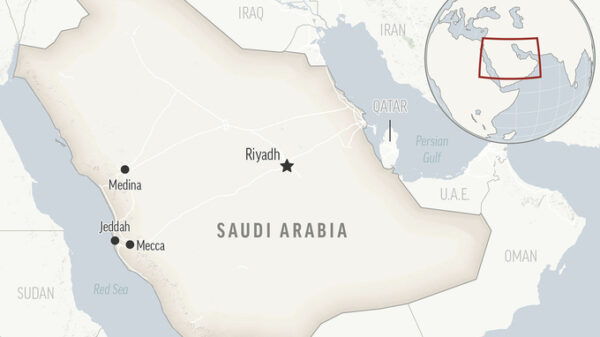
Located in the central Pacific Ocean, Naoero covers approximately eight square miles and has a population of around 12,000 people.
The island gained independence in 1968 after periods of colonial administration involving Germany, the United Kingdom, New Zealand and Australia.
The decision to revive its traditional name reflects the broader significance of language and national identity in countries shaped by colonial rule.
President Adeang highlighted the importance of preserving the language, memories and heritage of the Naoero people while presenting the name change to an international audience.
Other Countries That Have Changed Their Names
Naoero’s decision follows a pattern of countries changing or restoring their official names for cultural, political and historical reasons.
Several nations have adopted new names over the years, including:

- Eswatini: Changed its name from Swaziland in 2018.
- Zimbabwe: Replaced the colonial-era name Rhodesia in 1980.
- Benin: Adopted its current name after previously being known as Dahomey.
- Thailand: Changed its name from Siam in 1939.
- Türkiye: Requested that the United Nations use its preferred spelling in English in 2022.
Other examples include Iran, formerly known internationally as Persia; Myanmar, previously known as Burma; and Sri Lanka, formerly Ceylon.
These changes have reflected different national circumstances, including political transformation, cultural identity and efforts to move away from colonial-era terminology.
Naoero Seeks Greater Recognition on the World Stage
During his UN speech, President Adeang also discussed issues affecting his country, including rising sea levels, economic challenges and the importance of international respect.
For small island nations in the Pacific, climate change and environmental vulnerability remain significant concerns. However, the speech placed particular emphasis on the connection between national identity and how a country is recognized internationally.
Adeang argued that the traditional name had never disappeared from the identity of his people and that its restoration represented a recognition of their heritage.
President Adeang Ends Speech With a Direct Message
After discussing his nation’s concerns and aspirations, President David Adeang concluded his address with a short but powerful appeal to the international community:
“Say our name.”
The statement reinforced the central message of his speech: that Naoero’s identity should be acknowledged through the name its people have historically used.
The name change now places Naoero among countries that have sought to redefine how they are identified on the global stage while preserving their cultural and historical connections.