












The United States is preparing to intensify financial pressure on Iran, signaling a major strategic shift from military confrontation to economic warfare as uncertainty looms over a fragile ceasefire set to expire next week.
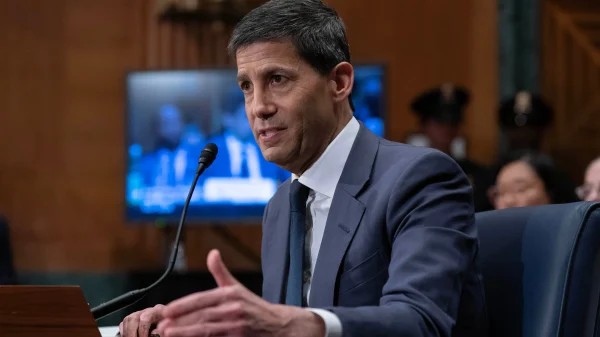
US Treasury Secretary Scott Bessent announced that Washington is ready to impose sweeping secondary sanctions targeting foreign banks and institutions engaged in business with Tehran. He described the move as the “financial equivalent” of a military campaign, underscoring the administration’s intent to weaken Iran’s economy without escalating direct conflict.
Economic Measures Take Center Stage
The proposed sanctions would penalize countries, companies, and financial institutions that facilitate Iranian oil sales or hold Iranian assets. This includes key global players such as China and regional partners in the Gulf, marking a significant escalation in Washington’s existing sanctions regime.
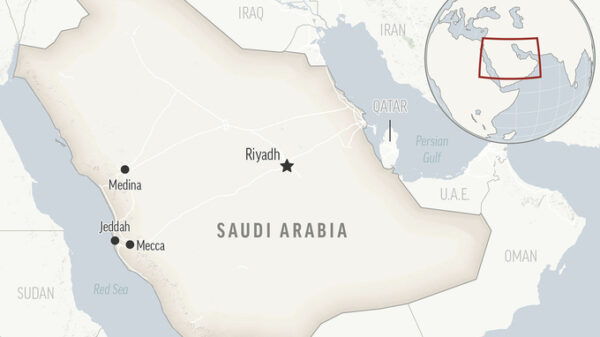
According to officials, warnings have already been issued to financial institutions in China, Hong Kong, the United Arab Emirates, and Oman, cautioning them against enabling Iranian financial activity. The US aims to disrupt revenue streams that support Tehran’s government and its regional influence.
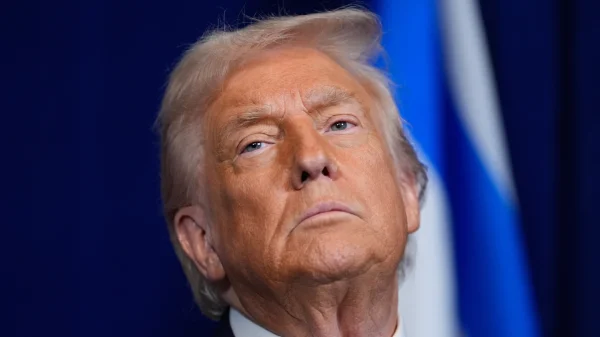
The strategy reflects a broader effort by President Donald Trump’s administration to push Iran toward accepting stricter limits on its nuclear program. Officials believe cutting off financial lifelines could pressure Tehran more effectively than continued military operations.
Targeting Iran’s Financial Network
Beyond traditional sanctions, the US is also considering actions against powerful Iranian economic entities, including charitable foundations known as “bonyads,” which control a substantial portion of the country’s economy.
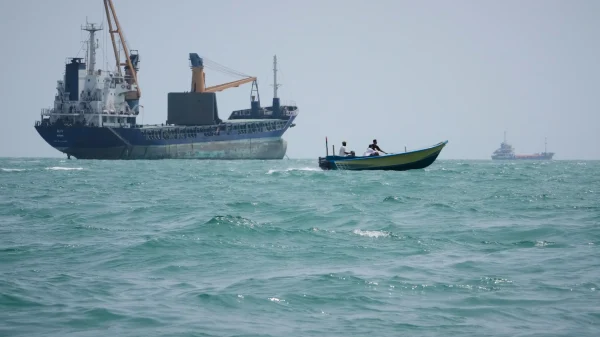
Additionally, the Treasury Department recently imposed sanctions on an international oil smuggling network linked to Iranian interests. The network allegedly used front companies and covert shipping operations to sell oil globally, bypassing existing restrictions.
Bessent emphasized that the US would continue using all available tools to disrupt such networks, warning global financial institutions of serious consequences if they continue to support Iranian transactions.
Mixed Reactions at Home and Abroad
The strategy has sparked debate among US lawmakers and policy experts. Some Democrats argue that rising global oil prices and disruptions in key shipping routes, such as the Strait of Hormuz, could offset the intended economic impact on Iran.
Others caution that aggressive use of secondary sanctions may strain relations with allies and complicate efforts to build a unified international front against Tehran. Critics warn that countries affected by these measures may resist cooperation, weakening overall effectiveness.
Sanctions experts also highlight the risk of diplomatic fallout, noting that broader participation is often key to successful economic pressure campaigns.
Administration Signals Confidence
Despite concerns, senior officials believe recent developments have shifted momentum in Washington’s favor. Damage to Iran’s infrastructure, particularly its oil sector, has significantly impacted its already fragile economy.
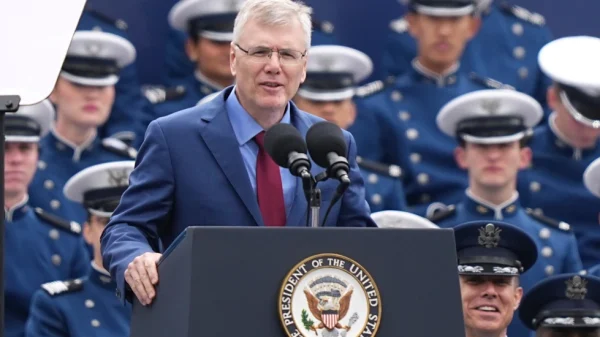
Vice President JD Vance indicated that the administration is aiming for a comprehensive agreement with Iran, offering economic recovery in exchange for firm commitments to abandon nuclear weapons ambitions.
Meanwhile, White House officials suggest that tightening economic restrictions—combined with control over key trade routes—could further isolate Iran if negotiations fail.
Political Divide Over Effectiveness
Support for the strategy remains divided within the US political landscape. Some Republican lawmakers advocate maximum pressure, arguing that any measure to constrain Iran is worth pursuing.

Others remain skeptical, pointing out that Iran has endured years of sanctions with limited change in behavior. Some analysts argue that economic pressure alone may not achieve long-term strategic goals without broader political shifts inside Iran.
A Critical Moment Ahead
As the ceasefire deadline approaches, the US appears poised to rely more heavily on financial tools to achieve its objectives. Whether this economic pivot will force Iran back to the negotiating table—or deepen global tensions—remains uncertain.
The coming weeks are likely to determine whether diplomacy, economic coercion, or renewed conflict will shape the next phase of US-Iran relations.