







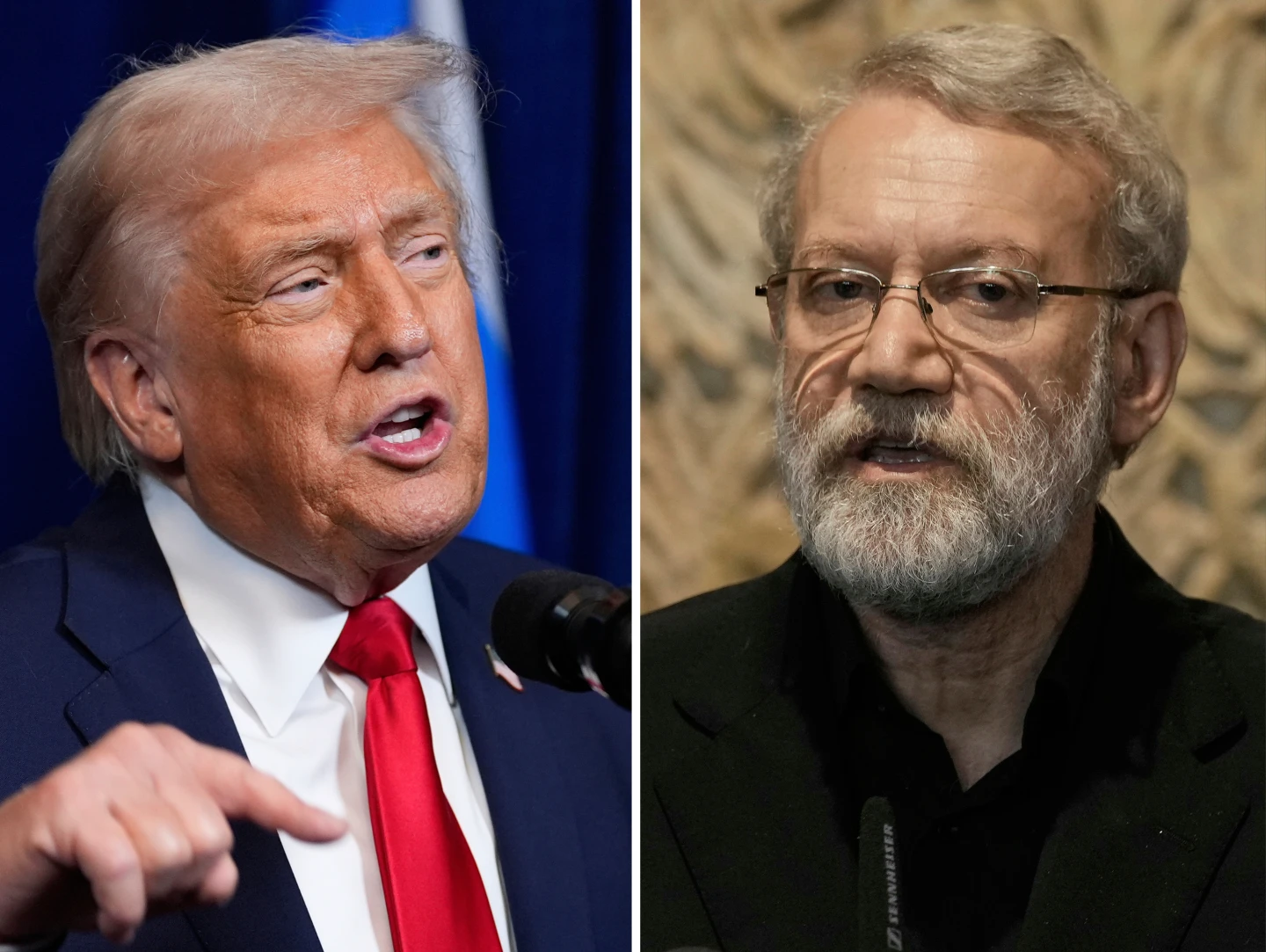
Dubai, United Arab Emirates — Tensions between the United States and Iran escalated sharply as President Donald Trump and senior Iranian officials exchanged public threats amid widespread protests rocking the Islamic Republic.
The unrest, now entering its sixth day, has spread across large parts of Iran and has reportedly left at least eight people dead. Initially triggered by the dramatic collapse of Iran’s currency, the demonstrations have evolved into broader protests featuring chants against the country’s leadership and governing system.
The latest wave of protests is the most significant Iran has seen since 2022, when the death of Mahsa Amini while in police custody sparked nationwide outrage. While the current demonstrations have not yet reached the same scale or intensity, they reflect deepening public frustration over economic hardship and political restrictions.
Trump Issues Warning as Iran Pushes Back
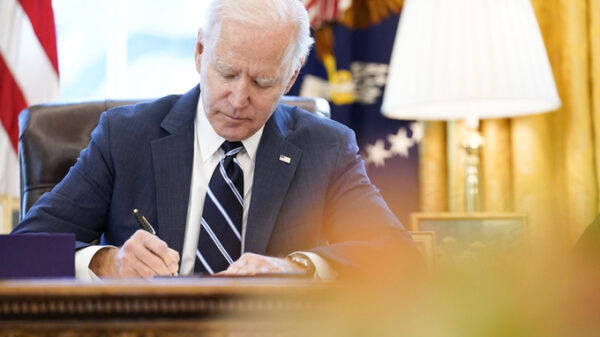
President Trump weighed in on the unrest through a post on his Truth Social platform, warning Iranian authorities against violently suppressing protesters. He suggested that the United States could intervene if peaceful demonstrators were harmed, stating that Washington was prepared to act, without offering specifics.
The comments prompted an immediate response from Tehran. Ali Larijani, secretary of Iran’s Supreme National Security Council, accused the United States and Israel of fueling the unrest, a claim Iranian officials have frequently made during periods of internal dissent. He warned that any foreign intervention would destabilize the wider Middle East and threaten U.S. interests in the region.
Other senior Iranian figures echoed the warning. Ali Shamkhani, an adviser to Supreme Leader Ayatollah Ali Khamenei, cautioned that any attempt to undermine Iran’s security would be met with force.
Diplomatic Fallout at the United Nations
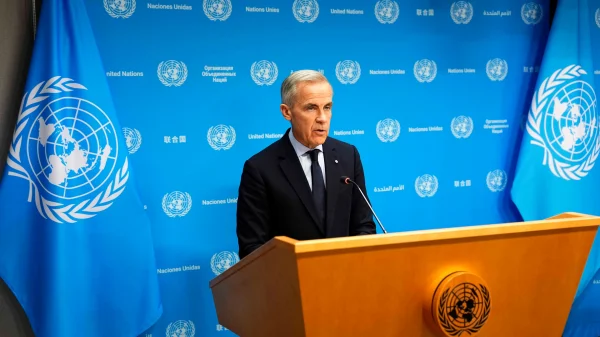
Iran has formally raised the issue at the United Nations. In a letter to Secretary-General António Guterres and the Security Council, Iran’s ambassador argued that U.S. rhetoric violated international norms and called for recognition of Iran’s right to defend its sovereignty. Tehran warned that Washington would bear responsibility for any escalation resulting from its statements.
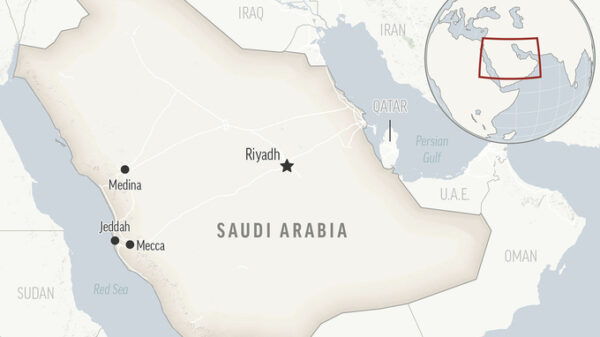
U.S. officials, speaking anonymously, said there had been no immediate changes to American military deployments in the Middle East following Trump’s remarks, despite Iran’s earlier missile strike on a U.S. base in Qatar in June after American attacks on Iranian nuclear facilities.
Protests Continue Across Iran
Despite increased security measures, demonstrations continued Friday in cities across the country, including Zahedan in the volatile Sistan and Baluchestan province. Funerals for those killed in the unrest have become flashpoints for further protests, with mourners clashing verbally with security forces.
Human rights groups report that protests have reached more than 100 locations in over two-thirds of Iran’s provinces. Videos circulating online appear to show confrontations at burial ceremonies and families disputing official accounts of victims’ affiliations with state-linked paramilitary groups.
Economic Crisis Fuels Unrest
Iran’s struggling economy remains at the heart of the unrest. The rial has plunged to historic lows, with the U.S. dollar trading at roughly 1.4 million rials. President Masoud Pezeshkian’s reformist government has acknowledged the severity of the crisis but has admitted it has limited tools to stabilize the currency in the short term.
Although authorities have signaled openness to dialogue with protesters, anger has increasingly extended beyond economic demands to criticism of Iran’s political and religious leadership.
Nuclear Tensions Add to Instability
The protests come against the backdrop of renewed nuclear tensions. Iran recently announced it had halted uranium enrichment at all sites, a move seen as an attempt to reopen negotiations with Western powers. However, talks remain stalled as both Trump and Israeli Prime Minister Benjamin Netanyahu have warned Iran against reviving its nuclear program.
Analysts caution that overt U.S. support for protesters could give Iranian hardliners justification for a harsher crackdown, potentially drawing the region closer to direct confrontation.