



















The FIFA World Cup knockout stage bracket has been finalized, revealing stark differences in potential pathways to the final. While some top-ranked teams face a demanding route through multiple elite opponents, others appear to have a comparatively smoother path deep into the tournament.
With no reseeding after the group stage, the draw has created regions of contrasting difficulty—fueling debate over which nations stand to benefit most from the structure.
Bracket Structure Creates Uneven Matchups
Unlike tournaments that use selection committees or reseeding systems, the World Cup knockout stage follows a fixed bracket determined by group-stage placement. Group winners and runners-up are locked into predetermined positions, meaning strong teams can meet early in the elimination rounds.
As a result, several high-profile clashes are already set for the Round of 32, raising the possibility that some of the tournament’s top-ranked teams could eliminate each other before reaching the later stages.
Foxborough Region Packed With Heavyweights
The Foxborough section of the bracket features some of the most competitive matchups. Traditional powerhouses such as France and Germany could be on a collision course early in the knockout phase, while the Netherlands and Morocco face a high-stakes meeting immediately.
This region also includes Canada, who have already advanced after a narrow win over South Africa, but may face a challenging journey across multiple time zones if they continue progressing.
If rankings hold, France could potentially meet Morocco in the quarterfinals—an early showdown between two of the tournament’s strongest sides.
Inglewood Region Offers Mixed Fortunes
In the Inglewood bracket, Portugal begins its knockout campaign against Croatia, a matchup that immediately tests their title ambitions. Spain also faces a difficult opponent in Austria, while the United States has been drawn against Bosnia and Herzegovina, one of the lower-ranked teams remaining.
Belgium and Senegal also meet in a competitive Round of 32 clash, with the winner likely benefiting from reduced travel demands in the next round.
If results follow rankings, Spain and Belgium could meet in a high-profile quarterfinal encounter.
Miami Gardens Region Highlights Goal Threats
Brazil, England, Mexico, and Japan headline the Miami Gardens section, which promises both competitive balance and attacking football.
Brazil opens against Japan, while England and Mexico are positioned for a possible Round of 16 showdown if they advance. Mexico, one of the standout defensive teams in the group stage, will aim to continue its strong form, while England faces a challenging path through a high-pressure bracket.
If the seeding projections hold, Brazil and England could eventually meet in a blockbuster quarterfinal.
Kansas City Region Shaped Around Argentina
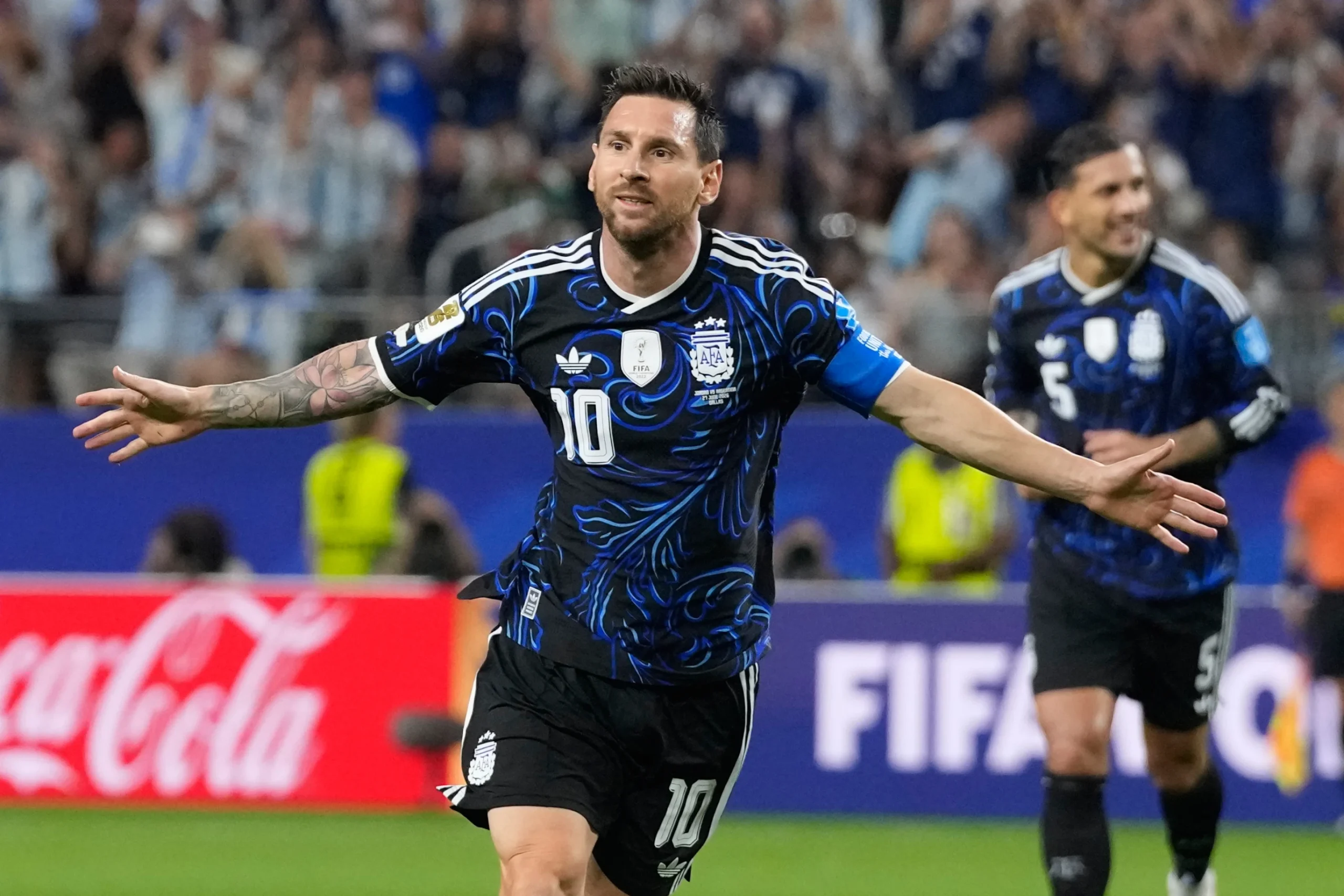
The Kansas City bracket is led by Argentina, the top-ranked side in this hypothetical seeding model. Lionel Messi’s team faces Cape Verde in the Round of 32, followed by a potential matchup against Australia or Egypt.
Other notable fixtures include Switzerland against Algeria and Colombia versus Ghana, both expected to be closely contested encounters.

If the top seeds advance as projected, Argentina could face Colombia in a high-profile quarterfinal.
No Reseeding Means Early Shock Potential
A defining feature of this knockout stage is the absence of reseeding, which locks teams into fixed paths regardless of upsets. This structure increases the likelihood of early heavyweight clashes and opens opportunities for lower-ranked teams to progress further than expected.
Several Round of 32 matches already feature unbeaten teams, highlighting the competitive balance across the field.
Semifinal Pathways Already Defined
The bracket also outlines the semifinal structure: winners from Foxborough and Inglewood will meet in one semifinal, while Miami Gardens and Kansas City winners will face off in the other. The final is scheduled for East Rutherford, New Jersey.