















The USS Gerald R. Ford, the largest aircraft carrier in the world, has officially recorded the longest deployment by a US carrier since the Vietnam War, marking a significant milestone in modern naval operations.
The warship reached its 295th consecutive day at sea this week, surpassing the previous post-Vietnam record held by the USS Abraham Lincoln, which remained deployed for 294 days in 2020 during the COVID-19 pandemic.
Extended Deployment Raises Concerns
The nearly 10-month deployment highlights the growing operational demands on US naval forces but has also sparked concerns about the physical and mental toll on service members, as well as the strain on equipment.
The carrier has already faced technical challenges during its mission, including a fire onboard that forced temporary repairs and disrupted living conditions for hundreds of sailors.
Senator Tim Kaine warned that the prolonged deployment has taken a “serious toll” on crew well-being, noting that at one point, around 600 personnel were left without proper sleeping accommodations due to the onboard incident.
Global Operations Across Multiple Regions
The USS Gerald R. Ford began its mission in June 2025, departing from Naval Station Norfolk. Initially deployed to the Mediterranean, the carrier was later redirected to the Caribbean amid heightened regional tensions.
During its mission, the vessel participated in a major US military operation targeting Venezuelan leadership, including efforts involving President Nicolás Maduro.
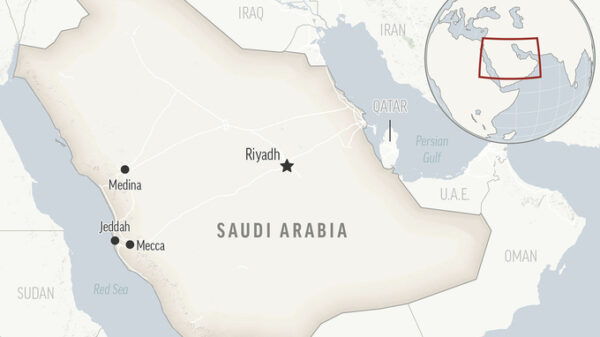
As geopolitical tensions escalated, the carrier was reassigned to the Middle East, where it contributed to early operations in the Iran conflict. It later transited through the Suez Canal en route to the Red Sea.
Operational Challenges and Strategic Debate
Despite its extensive role, the deployment has not been without setbacks. A fire in a support area forced the ship to temporarily withdraw for repairs, highlighting the risks associated with extended missions.
Senior Navy leadership, including Admiral Daryl Caudle, indicated that the deployment could extend to approximately 11 months, potentially pushing the ship’s return to late May.
However, Caudle has also expressed concerns about over-reliance on aircraft carriers, suggesting that future military strategies may increasingly incorporate smaller, more flexible naval assets.
Additional Naval Movements
Meanwhile, another US carrier, the USS George H. W. Bush, has recently been deployed and is currently positioned near African waters, potentially preparing to support or relieve the Ford in ongoing operations.
Historical Context
While the Ford’s deployment sets a modern-era record, it does not surpass Cold War benchmarks. The now-retired USS Midway holds the longest deployment on record, with a 332-day mission between 1972 and 1973.
More recently, the USS Nimitz logged a total of 341 days away from home between 2020 and 2021, though that figure included extended quarantine periods ashore due to pandemic restrictions.
A Test of Endurance
The USS Gerald R. Ford’s record-setting deployment underscores both the strategic importance of aircraft carriers in US military operations and the mounting pressures placed on personnel and resources during prolonged missions.

As global tensions persist, the Navy faces ongoing questions about sustainability, readiness, and the future role of large-scale carriers in modern warfare.