



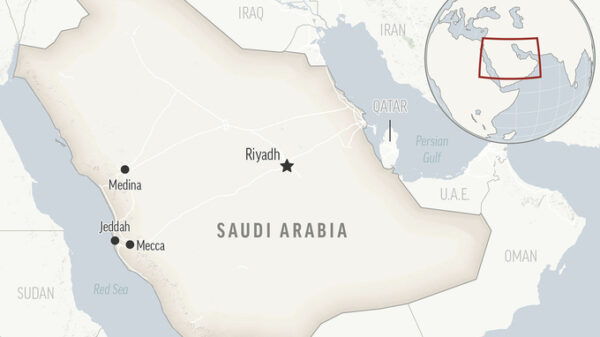












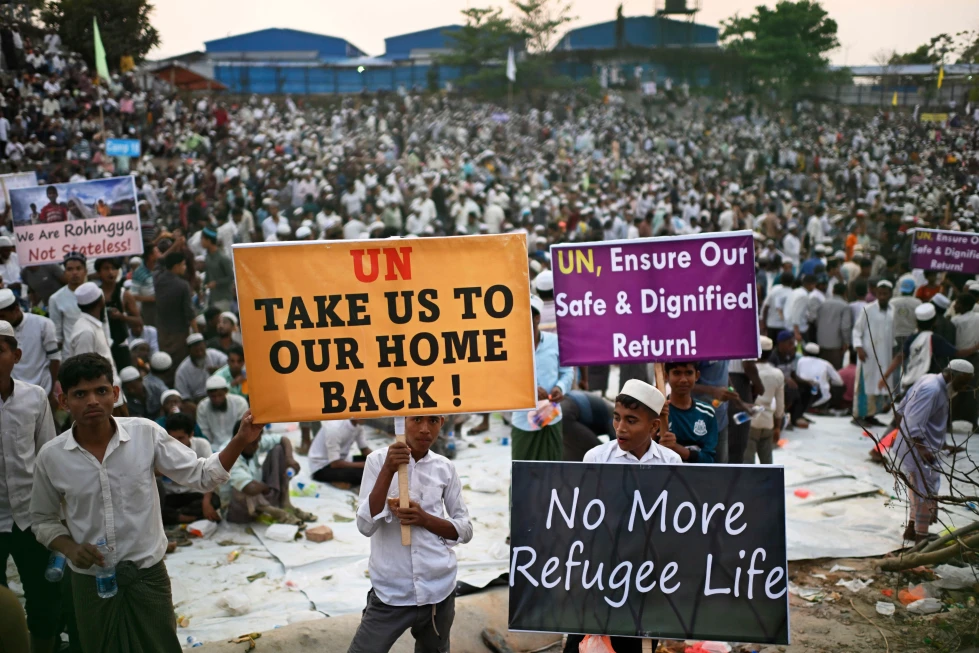
BANGKOK — Myanmar’s military-backed authorities say more than 300,000 Rohingya refugees living in Bangladesh have been verified as former residents of Myanmar’s Rakhine State, potentially opening the way for their return if security conditions improve.
The announcement comes as the Rohingya refugee crisis enters its ninth year, with hundreds of thousands of displaced people still living in overcrowded camps in Bangladesh after fleeing a brutal military crackdown in Myanmar in 2017.
Myanmar Verifies More Than 426,000 Refugees
Myanmar’s Ministry of Foreign Affairs said it had reviewed 426,545 names from a list of 828,824 refugees supplied by Bangladesh as of the end of July.
Of those verified, Myanmar said 308,797 people were identified as former residents of Rakhine State. The government said another 113,507 individuals could not be verified, while 4,241 people were accused by authorities of involvement in activities they described as terrorism.
Myanmar said it would continue coordinating with Bangladesh on the possible return of verified former residents once security conditions in Rakhine become more stable.
Rohingya Exodus Began in 2017
The current refugee crisis began in August 2017 after attacks by a Rohingya insurgent group on security posts in Rakhine triggered a large-scale military operation.
More than 700,000 Rohingya crossed into Bangladesh during the ensuing violence, joining large numbers of refugees who had fled earlier episodes of conflict and persecution.
The military campaign drew international condemnation and allegations of ethnic cleansing and genocide. Myanmar has rejected accusations of genocide and continues to deny that the Rohingya constitute one of the country’s recognized ethnic groups, frequently referring to them as “Bengalis.”
Repatriation Plans Have Repeatedly Failed
Myanmar and Bangladesh agreed in 2018 to begin a repatriation process, but repeated attempts to return refugees have stalled.
Conditions deteriorated further after Myanmar’s military seized power in 2021, overthrowing the elected government led by Aung San Suu Kyi. The coup triggered a nationwide armed resistance and intensified instability across the country.
Fighting in Rakhine has also increased. The Arakan Army, an ethnic armed organization based in the state, has captured significant territory from the military in recent years. The renewed conflict has forced additional Rohingya to flee their homes and seek safety across the border.
Refugees Face Growing Pressure in Bangladesh
Rohingya refugees in Bangladesh continue to face difficult living conditions, while reductions in international aid have placed additional pressure on already overcrowded camps.
With few safe opportunities to return home, some refugees have attempted dangerous sea journeys toward Malaysia and Indonesia. The crossings are frequently made in poorly equipped boats, exposing passengers to serious risks.
Malaysia has also discussed a possible repatriation arrangement involving 5,000 Rohingya refugees. However, Myanmar officials have disputed reports about the scope of such a program, saying their focus was on verified Myanmar nationals held in Malaysian detention centers rather than Rohingya refugees generally.
Safe Return Remains Uncertain
Myanmar’s latest verification figures could represent a step toward renewed discussions with Bangladesh, but a large-scale return remains dependent on security and political conditions in Rakhine State.

For Rohingya refugees, the central issue remains whether they can return safely with adequate guarantees for their rights, citizenship and long-term security.
After nine years of displacement, the latest announcement offers a potential pathway toward repatriation, but previous failed efforts and continuing conflict mean that a comprehensive and voluntary return remains uncertain.