













Myanmar’s national parliament convened Monday for the first time in more than five years, following controversial elections that handed overwhelming control to the military and its political allies.
The reopening of the legislature marks a significant development since the military seized power in the 2021 Myanmar coup d’état, which ousted the civilian government led by Aung San Suu Kyi and halted the functioning of parliament.
Military-Aligned Parties Hold Overwhelming Majority
The new parliament opened with members gathering at the heavily guarded legislative complex in the capital, Naypyitaw. Delegates dressed in traditional attire passed through strict security checkpoints as authorities sealed surrounding roads and conducted vehicle inspections before entry.
The lower chamber, consisting of 373 seats, held its first session Monday. The upper house, which has 213 seats, is scheduled to begin its proceedings later this week, while regional assemblies across the country are expected to follow shortly afterward.
Under Myanmar’s military-drafted constitution, the armed forces automatically control 25% of parliamentary seats. Combined with a strong electoral performance by the military-backed Union Solidarity and Development Party, the military and its allies now hold nearly 90% of the legislature.
The opposition National League for Democracy, which previously governed the country, was absent from the election. The party either declined to participate or was barred from contesting under rules imposed by the military government.
Elections Criticized by International Observers
The elections held in December and January were organized across 263 of Myanmar’s 330 townships. Military authorities presented the vote as a step toward restoring democratic governance.
However, critics and international observers argue that the process was designed primarily to legitimize the military’s continued rule. The coup in 2021 triggered widespread protests and armed resistance, plunging the country into an ongoing civil conflict.
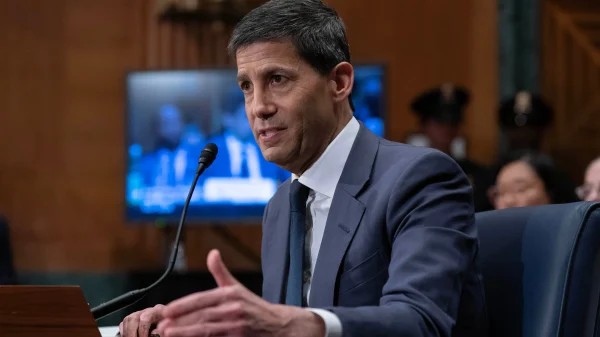
Tom Andrews urged the global community to reject both the election results and any governing structure formed through the process.
Leadership Questions and Constitutional Challenges
One of the parliament’s first responsibilities will be to elect speakers for both legislative chambers, followed by the selection of a president and two vice presidents.
Observers widely expect current military leader Min Aung Hlaing to assume the presidency. However, Myanmar’s constitution prohibits a sitting president from simultaneously serving as commander-in-chief of the armed forces — a position widely regarded as the most powerful in the country.
It remains unclear whether Min Aung Hlaing would relinquish his military leadership role if he takes the presidency.
Opposition Continues Parallel Political Efforts
While the military-backed parliament held its opening session in Naypyitaw, opposition figures convened a separate online meeting organized by the Committee Representing Pyidaungsu Hluttaw.
The group, formed by lawmakers who were prevented from assuming office after the 2021 coup, claims to represent Myanmar’s legitimate parliamentary authority.
Meanwhile, Suu Kyi — now 80 years old — remains imprisoned, serving a 27-year sentence stemming from charges widely criticized by international observers as politically motivated. Her party had previously secured landslide victories in the 2015 and 2020 national elections.

As Myanmar’s new parliament begins its term, political uncertainty remains high, with the country still grappling with internal conflict, international scrutiny, and questions over the legitimacy of its governing institutions.