






















A sweeping investigation has revealed disturbing accounts from former residents of for-profit residential treatment centers across the United States, where adopted children—often promised therapeutic support and stability—were instead allegedly subjected to harsh discipline, isolation, and prolonged institutionalization.
The investigation focuses on the so-called “troubled teen industry,” a network of privately operated facilities that market intensive behavioral treatment programs but have faced repeated accusations of abuse and neglect.
A system built around vulnerable adoptees
Many of the children placed in these facilities are adopted, with research and reporting suggesting they may represent a disproportionately large share of residents in residential treatment programs.
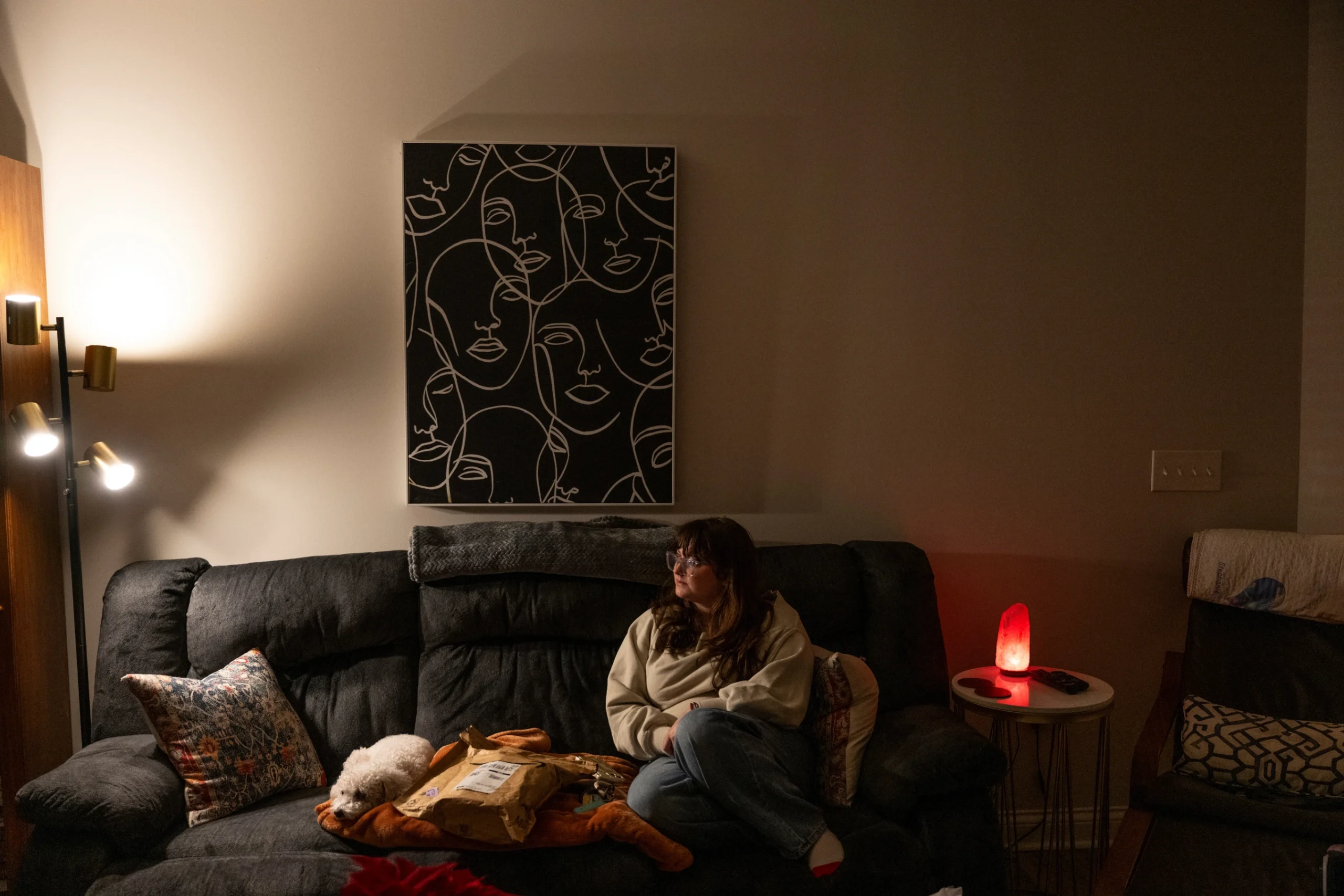
One former resident, identified as Kate, described entering treatment at age 13 in Kentucky after her adoptive parents sought help for emotional and behavioral struggles linked to early childhood trauma.
Instead of healing, she says she experienced repeated restraint, isolation, and punitive discipline across multiple facilities in different states.
Allegations of restraint, punishment, and psychological harm
Former residents interviewed as part of the investigation describe practices that included physical restraint, forced labor, restricted communication with family, and punishment for emotional expression.
Kate recounted being restrained by staff after a panic episode involving a night light, describing prolonged physical force used to subdue her. She also said she spent years cycling through facilities where compliance and emotional suppression were enforced as behavioral expectations.
Other former residents reported similar experiences, including strict control over movement, limited privacy, and disciplinary systems that encouraged peer monitoring and public shaming.
Misuse of mental health diagnosis questioned
A key issue raised in the investigation is the use of reactive attachment disorder (RAD) as a justification for placement in residential treatment.
Mental health experts cited in the report say RAD is a rare diagnosis typically associated with early severe neglect in infancy, not older children or teens with behavioral difficulties.
Brian Allen, a psychologist at Penn State’s Center for the Protection of Children, said many adolescents labeled with RAD do not meet diagnostic criteria and may instead be struggling with conditions such as PTSD or depression—conditions that require different, evidence-based treatment approaches.
Experts warn that misdiagnosis can lead to inappropriate and potentially harmful interventions.
A billion-dollar industry under scrutiny
The residential treatment sector is described as a multi-billion-dollar industry involving private companies, private equity investors, and publicly traded healthcare groups.
Facilities often charge tens of thousands of dollars per month, with marketing that emphasizes specialized treatment for adopted children and attachment-related challenges.
Investigators found that financial incentives may encourage longer stays and lower staffing costs, raising concerns about quality of care and oversight.

Reports of abuse, neglect, and deaths
Multiple facilities referenced in the investigation have faced lawsuits, regulatory action, or closure following allegations of abuse or the deaths of residents.
In several cases, former employees and families described inadequate supervision, use of restraints, and environments where children were allegedly subjected to humiliation or excessive punishment.
One facility network, operating multiple programs across states, has been named in lawsuits alleging systemic abuse and failure to protect children in its care.
Regulatory gaps and limited oversight
Unlike hospitals or other licensed medical institutions, residential treatment centers operate under a patchwork of state-level regulations, with no unified federal oversight system.
Advocates say this fragmented structure makes it difficult to track incidents, enforce standards, or prevent troubled facilities from reopening under new names or ownership.
Some states have taken steps to tighten regulations following reported deaths and abuse cases, but enforcement remains inconsistent.
Calls for reform grow louder
Child welfare advocates, former residents, and mental health professionals are calling for sweeping reforms, including stricter licensing requirements, transparent reporting of incidents, and limits on the use of physical restraints.
Some experts also argue that residential confinement should be a last resort, recommending community-based mental health care and family therapy instead.
Survivors describe long-term impact
Former residents say the experience left lasting psychological scars, including anxiety, trauma, and difficulty reintegrating into everyday life.
Many describe feeling stripped of identity and autonomy during their time in treatment, with some comparing the experience to incarceration rather than therapy.
Despite leaving these programs, several survivors say they continue to struggle with the emotional consequences years later.