






















Widespread rare earth mining in parts of Myanmar is contaminating rivers that feed into the Mekong River system, raising serious environmental and health concerns for millions of people across Southeast Asia who depend on the waterway for food, agriculture, and livelihoods.
According to environmental researchers and local communities, toxic runoff containing heavy metals is flowing from mining sites into tributaries such as the Kok River, which crosses from Myanmar into Thailand before joining the Mekong basin.
Communities along the river face growing environmental crisis
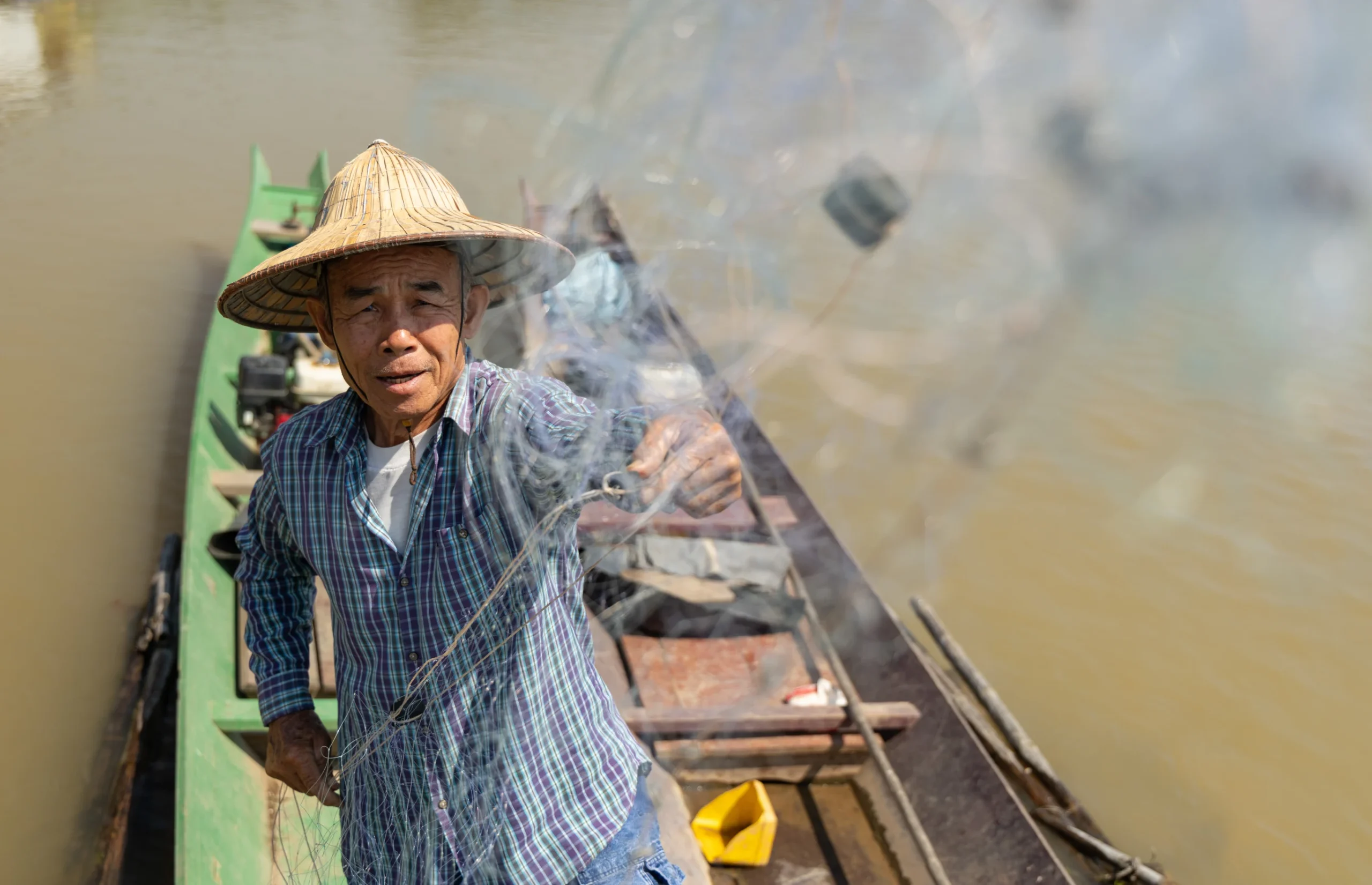
In northern Thailand’s Chiang Saen region, 75-year-old fisherman Sukjai Yana represents thousands of residents whose livelihoods depend on the river system. He reports declining fish catches and falling demand due to fears of contamination.
Many fishermen now struggle to sell their catch, as consumers increasingly worry about pollution-related health risks.
Nearby farming communities are also heavily impacted. Farmers rely on river water to irrigate crops including rice, garlic, bananas, corn, and fruit—key agricultural products for both domestic consumption and export markets.
Heavy metals detected in river ecosystems
Scientific studies conducted by Thai researchers have detected elevated levels of hazardous heavy metals, including arsenic, mercury, lead, and cadmium, in water, fish, and sediment samples collected from Mekong tributaries.
At laboratories such as those at Naresuan University, researchers have observed physical signs of contamination in fish, including abnormal growths, discoloration, and organ damage.
These pollutants are associated with serious health risks:
- Arsenic: linked to cancer and organ failure
- Mercury: damages the nervous system
- Lead: affects cognitive development
- Cadmium: causes kidney damage
Mekong River: lifeline for 70 million people
The Mekong River system supports approximately 70 million people across mainland Southeast Asia, providing water, fish protein, and agricultural irrigation.
Flowing from China through Myanmar, Laos, Thailand, Cambodia, and Vietnam, the river is considered one of the world’s most important freshwater ecosystems and a cornerstone of regional food security.
Environmental experts warn that the current contamination could pose one of the most severe long-term threats to the basin, surpassing even dam construction and plastic pollution in its impact.
Rare earth demand fueling unregulated mining boom
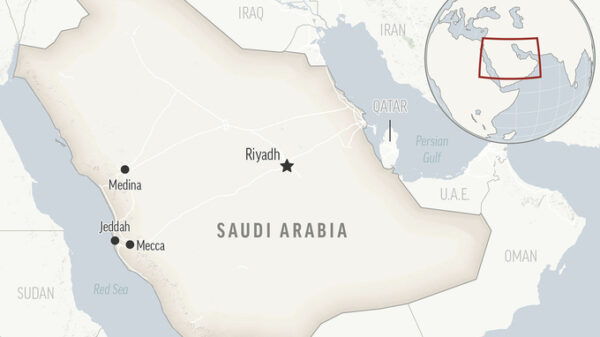
The pollution is being driven by a rapid expansion of rare earth mining, largely concentrated in conflict-affected regions of Myanmar and expanding into neighboring Laos.
Rare earth elements are essential for modern technologies such as smartphones, electric vehicles, wind turbines, and advanced defense systems. While not actually rare in nature, their extraction and processing are environmentally destructive and heavily polluting.
Satellite data analyzed by research organizations has identified hundreds of suspected mining sites along Mekong tributaries, many operating without effective environmental oversight due to ongoing regional conflicts.
Agricultural exports at risk
Thailand, one of the world’s largest rice exporters, is increasingly concerned about contamination risks affecting its agricultural reputation and export markets.
Farmers fear that toxic substances could enter food supplies, threatening billions of dollars in trade and undermining confidence in regional agricultural products exported globally, including to the United States, Japan, and other major markets.

Experts warn that even low levels of contamination could have long-term economic consequences if consumer trust declines.
Limited government response amid cross-border challenges
Authorities in Thailand acknowledge that their ability to regulate mining activities across borders is limited. Much of the pollution originates in areas of Myanmar affected by political instability and armed conflict, complicating enforcement efforts.
Current responses have focused mainly on monitoring water quality, raising public awareness, and conducting scientific research rather than direct intervention.
Regional institutions, including the Mekong River Commission, are also working on environmental assessments and community education programs, but enforcement power remains limited.
Environmental experts warn of long-term damage
Researchers and environmental analysts describe the situation as one of the most serious ecological threats facing the Mekong basin in decades.
The combination of unregulated mining, weak oversight, and rising global demand for rare earth minerals is creating what experts describe as a rapidly expanding pollution crisis with no clear short-term solution.
Without coordinated regional action, scientists warn that the contamination could permanently damage fisheries, agriculture, and drinking water sources across Southeast Asia.