


















Ukraine has accused Israel of importing grain it says was illegally taken from occupied Ukrainian territory by Russia, escalating a diplomatic dispute between Kyiv and Jerusalem.
The allegations, made by Ukrainian officials on Tuesday, center on a cargo vessel reportedly carrying agricultural goods that Ukraine claims were removed from areas under Russian occupation. The incident has prompted warnings from Kyiv of possible sanctions against individuals and companies involved in the trade.
Zelenskyy Raises Alarm Over Shipments
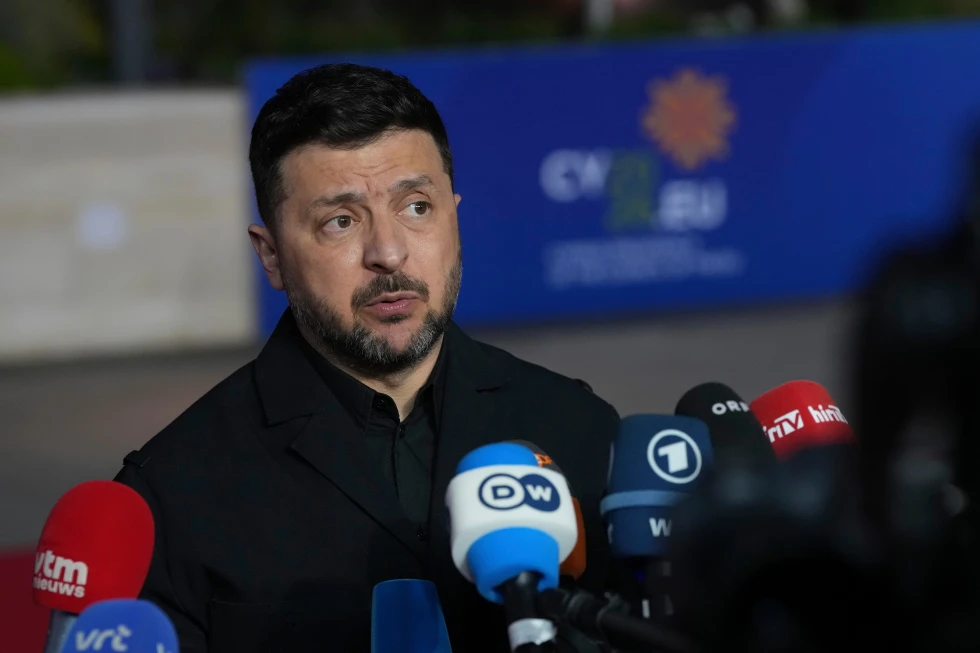
Ukrainian President Volodymyr Zelenskyy said a ship carrying grain had arrived at an Israeli port and was preparing to unload its cargo. He described the shipment as part of an “illegal trade” involving stolen Ukrainian resources and said sanctions were being prepared.
“In any normal country, purchasing stolen goods is an act that entails legal liability,” Zelenskyy said, adding that Ukraine would coordinate with European partners to expand potential sanctions.
Israel Rejects Claims of Port Entry
Israel denied that the vessel had officially entered port or completed necessary documentation. Officials said the situation was under review and noted that an investigation had been launched by the country’s tax authority.
Israeli Foreign Minister Gideon Sa’ar dismissed Kyiv’s public accusations, calling them “Twitter diplomacy” and arguing that Ukraine had not provided sufficient evidence or formally requested legal assistance.
Despite this, marine tracking data from MarineTraffic indicated that the vessel had been anchored near Haifa for several days.
Ukraine Expands Allegations
Ukrainian Foreign Ministry spokesperson Heorhii Tykhyi said Kyiv had previously alerted Israeli authorities about multiple shipments allegedly containing grain taken from occupied Ukrainian territory.
According to Ukraine, at least two vessels carrying similar agricultural products have reached Israeli ports in recent weeks. Officials claim the grain is being integrated into commercial supply chains despite repeated warnings.
Kyiv also alleges that Russia has used complex maritime methods, including ship-to-ship transfers in the Black Sea, to obscure the origin of the goods.
Diplomatic Tensions Rise
Ukraine’s Foreign Ministry summoned Israeli Ambassador Michael Brodsky to deliver a formal protest, stating that the issue is systemic and ongoing. Kyiv warned that continued imports could harm bilateral relations and lead to further diplomatic consequences.
Ukrainian officials say they have shared intelligence on the shipments and urged Israel to detain suspect cargo, but claim those requests have gone unanswered.
Broader Context of War and Trade Disputes
The dispute highlights the growing complexity of global trade flows linked to the Russia-Ukraine war, where agricultural exports have become a contentious issue amid accusations of theft and sanctions evasion.
Ukraine, one of the world’s largest grain exporters, has repeatedly accused Russia of removing agricultural products from occupied regions and rerouting them through international markets.
Israel has not confirmed whether any seized or suspicious shipments have been detained but says it is continuing to examine the matter.

A Test for International Enforcement
The incident underscores challenges in tracking and verifying the origin of global food shipments during wartime. It also raises broader questions about enforcement mechanisms for sanctions and the movement of commodities through international shipping routes.
As investigations continue, both countries appear to be standing firm on their positions, with diplomatic tensions likely to persist unless evidence or cooperation frameworks clarify the status of the disputed shipments.