
















CONCORD, N.H. — In a world dominated by instant messaging and social media, handwritten letters may seem outdated—but pen pal programs are experiencing a quiet revival as people rediscover the value of slow, personal communication.
For some, what began as childhood correspondence has evolved into decades-long friendships that continue to bridge continents and generations.
A 40-Year Friendship Built on Letters
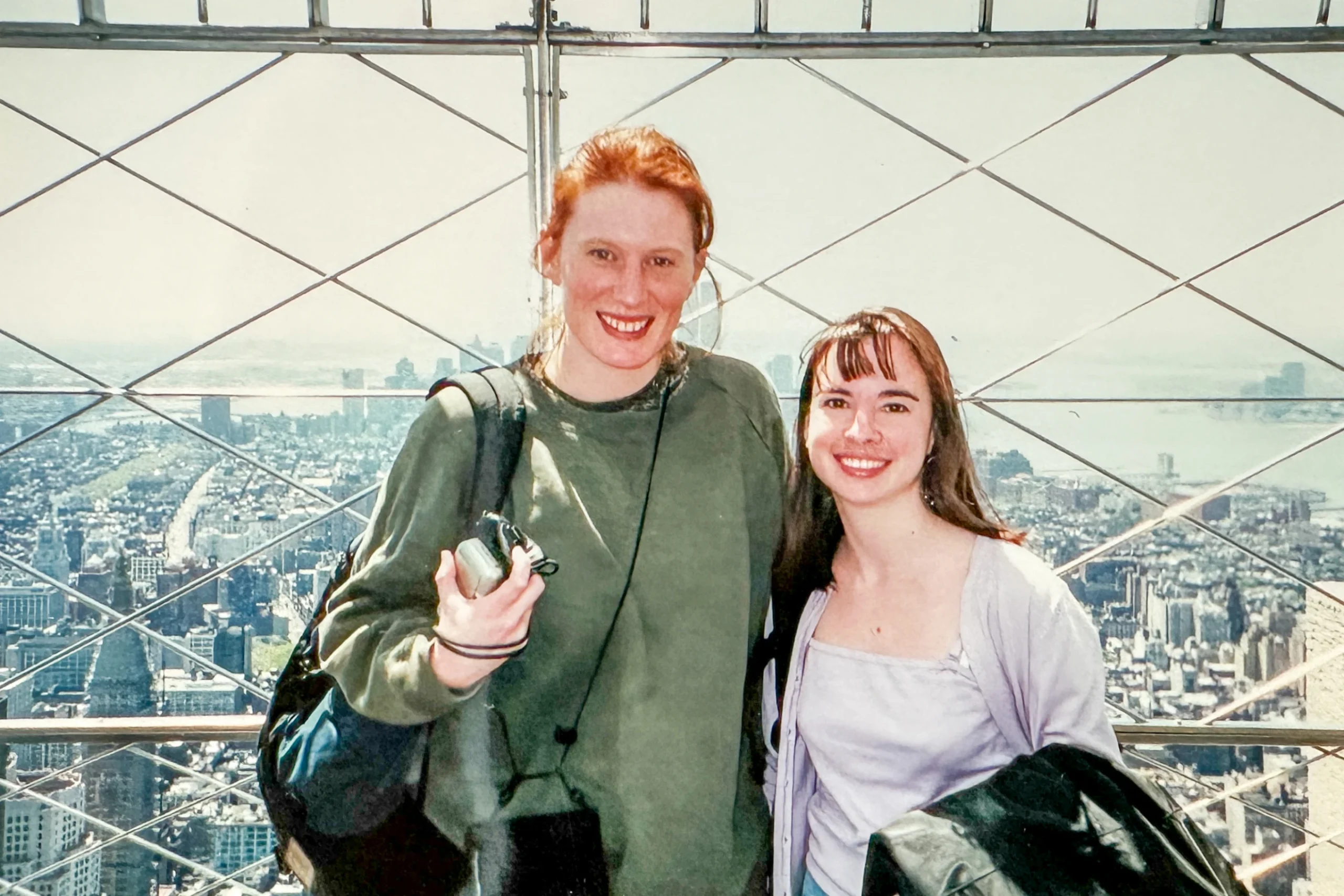
AP reporter Holly Ramer recently traveled from New Hampshire to New Zealand to meet her pen pal of 40 years and deliver a long-requested pair of purple, lip-shaped sunglasses—an item first mentioned in a letter decades earlier.
Their friendship began in 1985 through an international youth correspondence program that no longer exists, yet their exchange of handwritten letters has continued across changing technologies, postal delays, and the rise of digital communication.
What started with formal greetings eventually grew into deeply personal exchanges, illustrating how written correspondence can create lasting emotional bonds.
A Renewed Interest in “Slow Communication”
While many traditional postal systems have scaled back operations, interest in pen pal programs has not disappeared. In some regions, it has grown.
Writers and organizers like Rachel Syme, who launched a pen pal matchmaking project during the COVID-19 pandemic, say demand for handwritten correspondence remains strong. Her initiative attracted tens of thousands of participants, with ongoing sign-ups reflecting sustained interest.
Syme argues that people—especially younger generations—are increasingly drawn to slower, more intentional forms of communication as a break from constant digital interaction.
Why Letter Writing Still Appeals Today
Experts say handwritten communication offers something digital platforms often lack: reflection, emotional depth, and a sense of presence.
Unlike instant messaging, letter writing encourages patience and thoughtfulness, allowing relationships to develop gradually. Many participants describe it as a more mindful and meaningful form of connection.
Julie Delbridge, president of International Pen Friends, says the organization has connected more than 2 million people across generations and countries. Interest surged during the pandemic and continues to grow, particularly among young adults.
Pen Pals in Schools and Universities
Educational institutions are also embracing letter writing as a learning tool.
Some schools use pen pal exchanges to help students develop communication skills, empathy, and cultural awareness. In higher education, professors have incorporated letter writing into coursework to encourage deeper reflection.
At universities, students are sometimes required to send handwritten letters rather than digital messages to explore how communication style influences emotional expression and understanding.
Educators say the format slows down conversation in a productive way, encouraging more thoughtful responses.

Technology Joins Tradition
Even in the digital era, new platforms are adapting the pen pal concept rather than replacing it.
The app Slowly allows users to send messages that are intentionally delayed, simulating the pacing of traditional mail. Messages can take hours or days to arrive, encouraging users to write longer, more meaningful content.
The platform has attracted millions of users worldwide, particularly among young adults who are curious about analog-style communication experiences.
A Return to Tactile Connection
Some experts believe the renewed interest in pen pal programs reflects a broader cultural shift toward physical, tangible experiences—such as printed books, vinyl records, and handwritten notes.
Advocates of letter writing say the medium offers a unique emotional quality that digital communication often lacks. The physical act of writing, sending, and receiving mail creates anticipation and a deeper sense of connection.
Rachel Syme describes letter writing as both simple and expansive—capable of carrying everyday thoughts as well as profound personal reflections.
A Timeless Form of Friendship
Despite dramatic changes in how people communicate, pen pal relationships continue to endure. Many participants say the format fosters patience, empathy, and lasting bonds that transcend distance and time.
For longtime correspondents like Ramer and her pen pal, what began as childhood curiosity has evolved into a lifelong friendship built on handwritten pages, shared stories, and the enduring value of waiting for a reply