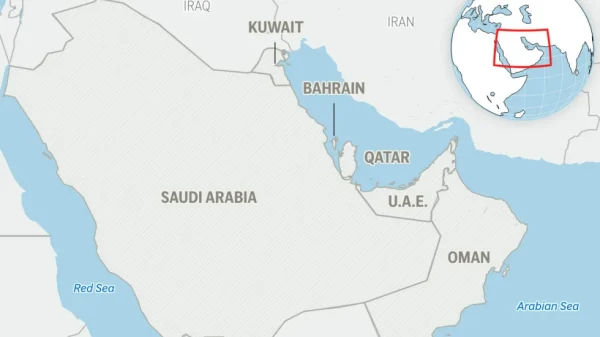




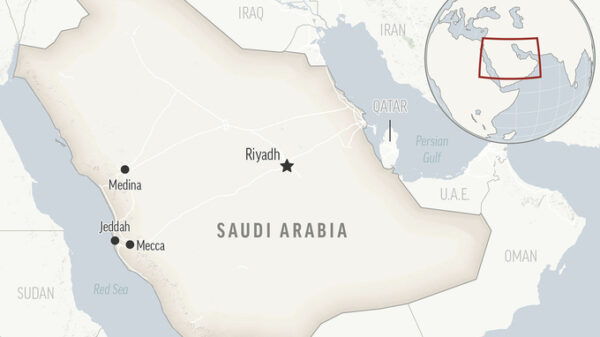












DUBAI — A suspected drone strike near the United Arab Emirates’ only nuclear power facility has intensified concerns over a possible resurgence of conflict in the Middle East, as both the United States and Iran signaled readiness for further military confrontation despite an existing ceasefire.
According to UAE authorities, the attack occurred Sunday near the Barakah Nuclear Energy Plant in Abu Dhabi’s western region, triggering a fire along the facility’s outer perimeter. Officials confirmed that no injuries were reported and there was no radiation leak or damage to reactor operations.
The UAE Ministry of Defense described the incident as an “unprovoked terrorist attack” and said security forces intercepted two additional drones before they reached their intended targets. Investigations are ongoing to determine who was responsible for launching the drones.
The incident comes amid escalating regional tensions linked to the fragile truce between Iran, Israel, and the United States following months of military exchanges across the Gulf and the broader Middle East.
Regional Tensions Continue to Escalate
The UAE has recently strengthened its defense cooperation with Western allies and has hosted military systems linked to both the United States and Israel. Emirati officials have previously accused Iran and allied groups of conducting drone and missile operations against Gulf nations.
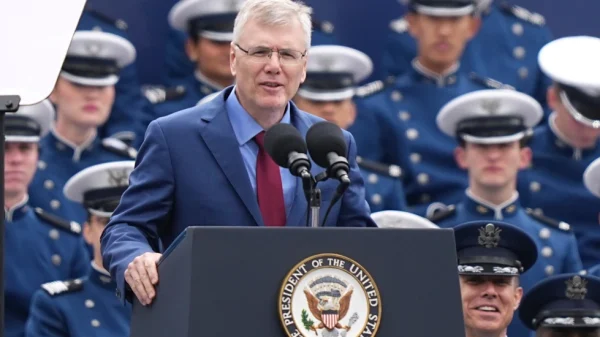
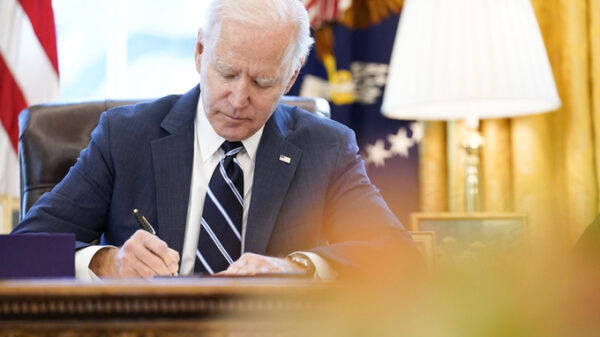
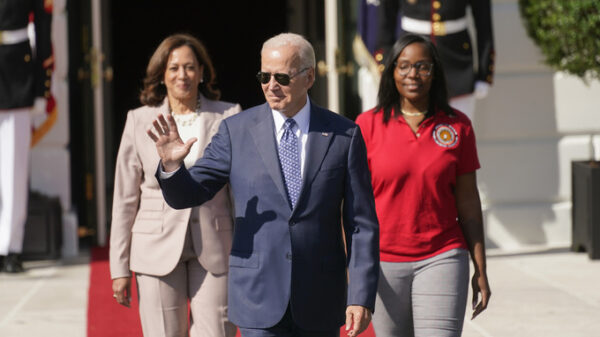
U.S. President Donald Trump issued a strong warning to Tehran following a reported conversation with Israeli Prime Minister Benjamin Netanyahu. In a social media post, Trump said Iran faced severe consequences if diplomatic efforts failed, adding to fears that military operations could resume.
Iranian officials responded with equally forceful rhetoric. Mohsen Rezaei, an adviser to Iran’s supreme leader, stated on state television that Iran’s military remained fully prepared while diplomatic channels were still active.
The uneasy ceasefire in the region has shown signs of weakening in recent weeks, particularly as clashes between Israel and Hezbollah militants in Lebanon continue despite international mediation efforts.
Strategic Importance of the Barakah Nuclear Plant
The Barakah Nuclear Energy Plant, valued at approximately $20 billion, is considered one of the UAE’s most important infrastructure projects. Developed with support from South Korea, the facility became operational in 2020 and currently supplies nearly 25% of the country’s electricity needs.
The UAE’s nuclear regulator emphasized that the fire did not compromise reactor safety and confirmed that all operational units remained stable. The International Atomic Energy Agency (IAEA) later stated that the incident affected an electrical generator area, forcing one reactor to temporarily rely on backup diesel generators.
This marks the first known attack targeting the Barakah facility since regional hostilities intensified. Yemen’s Houthi movement previously claimed to have targeted the site during its construction phase in 2017, although UAE officials denied any successful strike at the time.
UAE Nuclear Program Differs From Iran’s
Analysts note that the UAE’s civilian nuclear program operates under strict international agreements. Abu Dhabi signed a “123 Agreement” with Washington, pledging not to enrich uranium domestically or reprocess spent nuclear fuel, measures intended to prevent weapons development.
Iran’s nuclear activities remain a major source of dispute with the United States and Israel. Tehran maintains that its nuclear program is peaceful, though Western governments continue to express concern over uranium enrichment levels and limited cooperation with international inspectors.
Israel, widely believed to possess nuclear weapons, has never officially confirmed or denied its nuclear capabilities.
Concerns Over Wider Regional Conflict
Military and diplomatic observers warn that attacks involving nuclear infrastructure carry significant risks for regional stability and global energy security. The Strait of Hormuz, located near Iran, remains one of the world’s most critical oil shipping routes and has become increasingly tense amid naval deployments and military threats.

Israeli officials reportedly continue coordinating closely with Washington regarding potential future military action against Iran if negotiations fail. Prime Minister Netanyahu stated Sunday that Israel remained “prepared for any scenario.”
Meanwhile, Iranian state television broadcast unusually militant programming, including presenters appearing with weapons during live broadcasts, reflecting growing nationalist sentiment inside the country.
The latest developments have renewed international concern that the Middle East could be moving toward another major military escalation despite ongoing diplomatic efforts.