




















The World Health Organization (WHO) has officially declared the ongoing Ebola outbreak in the Democratic Republic of Congo and neighboring Uganda a Public Health Emergency of International Concern following a sharp increase in infections and deaths linked to the virus.
According to health authorities, more than 300 suspected cases and at least 88 deaths have been reported, raising fears of wider regional transmission. Despite the seriousness of the outbreak, WHO clarified that the situation does not currently meet the threshold of a global pandemic similar to COVID-19 and advised countries against imposing international travel or border restrictions.
The outbreak is centered in Congo’s eastern Ituri province, but officials have now confirmed cases in several additional locations, including Kinshasa, the country’s capital, located nearly 1,000 kilometers from the original outbreak zone. Health experts believe the spread to densely populated urban areas could significantly complicate containment efforts.
Authorities in Goma, eastern Congo’s largest city, also confirmed their first Ebola infection. Local officials stated that the patient had recently traveled from Ituri province and is now in isolation. The development has heightened concerns due to ongoing instability and mass displacement in the region caused by armed conflict involving rebel groups.
Rare Ebola Variant Raises Alarm
Health experts say the outbreak is being driven by the Bundibugyo strain of Ebola, a rare and dangerous variant for which there are currently no approved vaccines or targeted treatments. While Congo and Uganda have previously faced multiple Ebola outbreaks, this marks only the third known appearance of the Bundibugyo virus.
The disease spreads through direct contact with bodily fluids such as blood, vomit, and other contaminated materials. Ebola infections often begin with symptoms including fever, fatigue, muscle pain, and headaches before progressing into severe complications that can become fatal.
WHO officials warned that the number of confirmed infections may represent only a fraction of the actual outbreak size. Reports of unexplained deaths and a high positivity rate among tested samples suggest that transmission may already be more widespread than initially detected.
Emergency Medical Teams Deployed
In response to the escalating crisis, WHO and Congo’s Ministry of Health have deployed emergency response teams and medical supplies to affected areas. Officials confirmed that dozens of patients are receiving treatment while new care centers are being established in high-risk communities.
Public health teams are also working to identify and monitor individuals who may have come into contact with infected patients. However, contact tracing operations have become increasingly difficult due to ongoing violence, population movement, and cross-border travel between Congo and Uganda.
The Africa Centres for Disease Control and Prevention (Africa CDC) stated that many active cases remain within communities, especially in mining regions where population mobility is high. Experts fear that delayed detection allowed the virus to spread unchecked for several weeks before authorities recognized the outbreak.
Uganda Reports Imported Cases
Uganda has already confirmed Ebola-related cases connected to travelers arriving from Congo. One infected patient reportedly died in Kampala, the Ugandan capital, after crossing the border from the outbreak region.
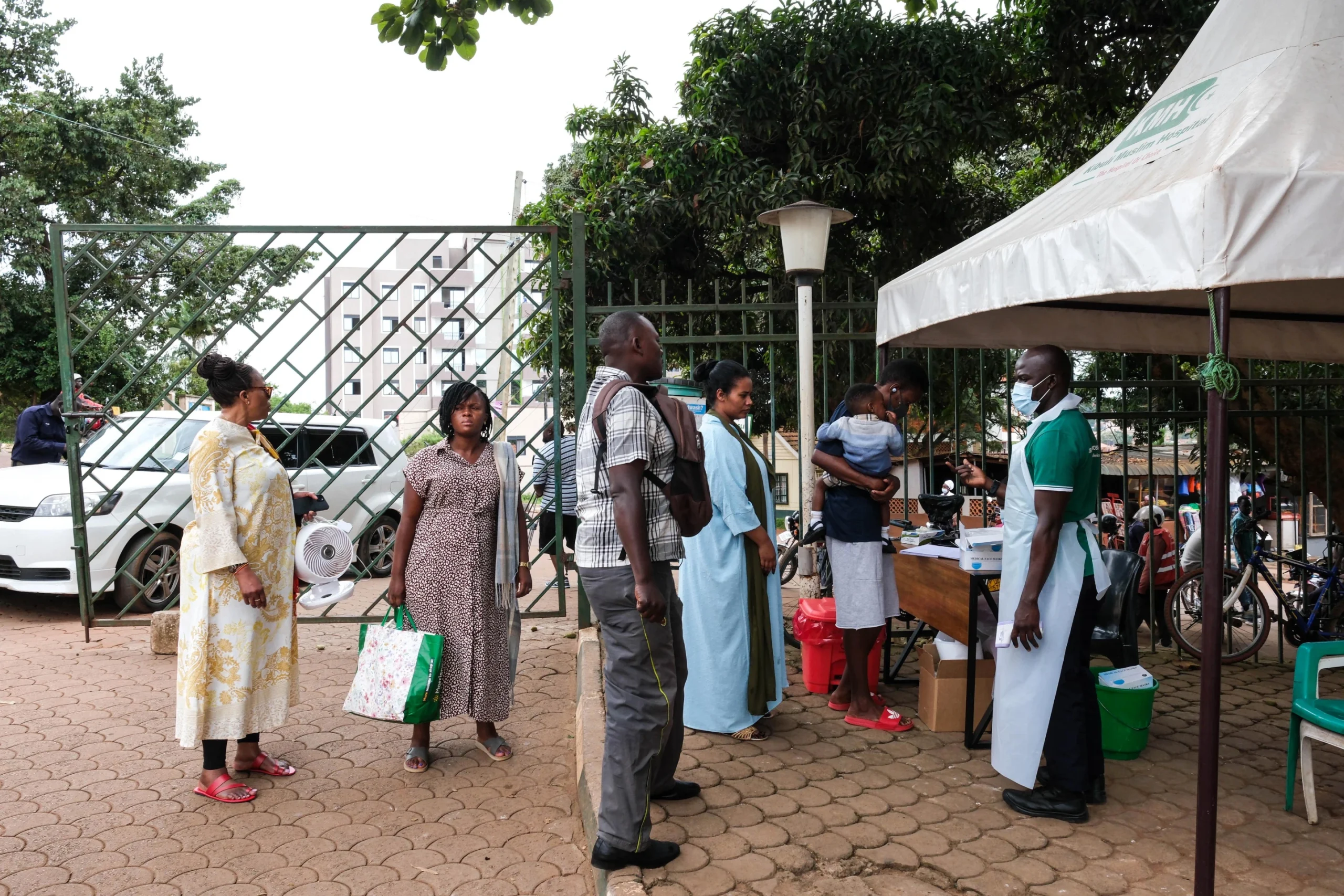
Health officials across East Africa have intensified screening measures at hospitals, airports, and border crossings in an effort to prevent further international spread. Medical workers in protective equipment have been deployed to monitor suspected infections and isolate high-risk patients.
WHO Director-General Tedros Adhanom Ghebreyesus emphasized that major uncertainties remain regarding the true scale of the outbreak and the chain of transmission linking current cases.
United States Monitoring Situation
The U.S. Centers for Disease Control and Prevention (CDC) described the immediate threat to Americans as low but confirmed it is closely monitoring developments in Africa. The agency has deployed personnel to support response operations and issued travel guidance urging travelers to avoid contact with symptomatic individuals.
CDC officials also stated that enhanced health screening procedures are being implemented at international points of entry to detect potential Ebola symptoms among travelers.

Concerns Over Delayed Detection
Health authorities revealed that the outbreak may have begun weeks before it was officially identified. The earliest known suspected patient reportedly developed symptoms in late April and died shortly afterward in Ituri province.
By the time health officials publicly acknowledged the outbreak in early May, dozens of deaths had already occurred. Several healthcare workers have also reportedly died after developing Ebola symptoms while treating patients.
Experts warn that without rapid containment measures, the outbreak could continue spreading across borders and place additional strain on fragile healthcare systems in Central and East Africa.