












President Donald Trump’s aggressive foreign policy approach toward Iran is encountering significant resistance as escalating tensions in the Middle East fail to produce the diplomatic breakthrough his administration has sought. Despite threats of military action and sustained economic pressure, Tehran continues to hold firm on its core demands, particularly amid uncertainty surrounding the strategic Strait of Hormuz.
The developments come as global energy markets remain unsettled and fears of wider regional instability continue to grow.
Delayed Military Action Amid Renewed Talks
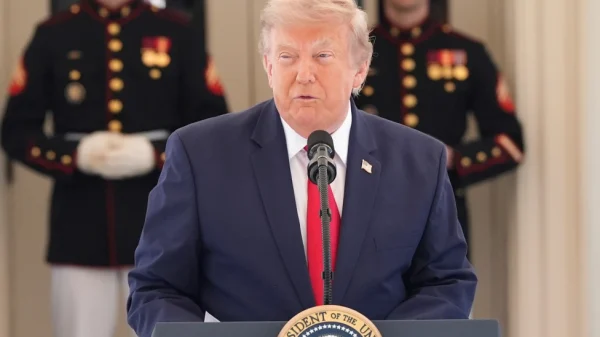
President Trump confirmed he has temporarily paused plans for a potential military strike on Iran that had been scheduled for Tuesday. The decision, according to the White House, followed appeals from Gulf allies who believe renewed negotiations may still yield a diplomatic resolution.
Trump maintained that U.S. forces remain on standby, signaling that military options are still under consideration if talks collapse. Administration officials emphasized that diplomacy remains the preferred path, but insisted that any agreement must align with U.S. strategic interests.
Standoff Centers on Nuclear and Regional Demands
The Trump administration continues to demand that Iran scale back its nuclear program, limit ballistic missile development, and end support for allied militant groups across the region. However, Iranian officials have shown no indication of accepting these conditions in full.
Despite sustained sanctions and military pressure, Tehran has maintained that its nuclear and defense programs are non-negotiable, deepening the stalemate between the two nations.
Analysts say neither side appears willing to make concessions, creating what many describe as a prolonged diplomatic deadlock.
Strait of Hormuz Adds Global Pressure
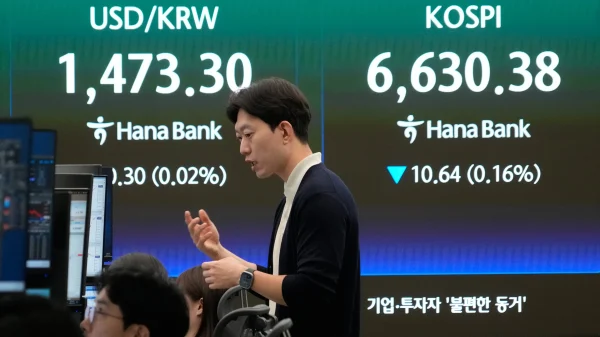
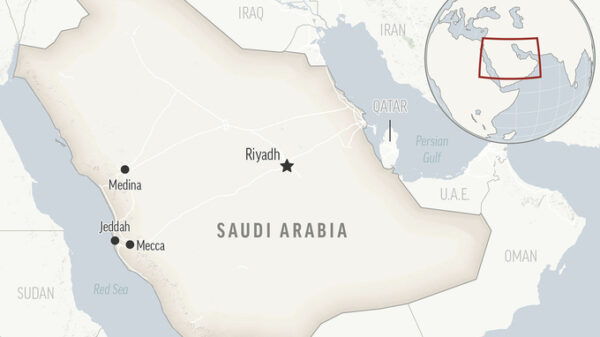
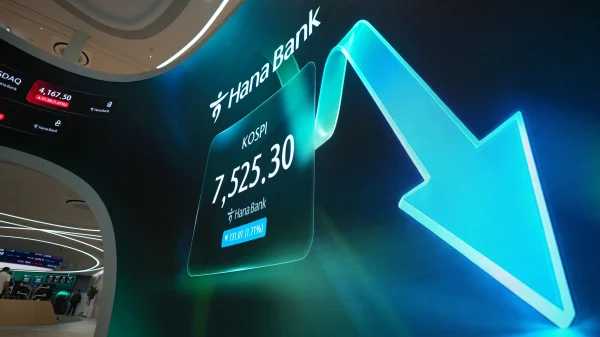
A key flashpoint in the conflict is the Strait of Hormuz, one of the world’s most critical oil transit routes. Iran’s influence in the region has raised concerns about potential disruptions to global energy supplies, contributing to volatility in oil prices and fueling inflationary pressure in the United States.
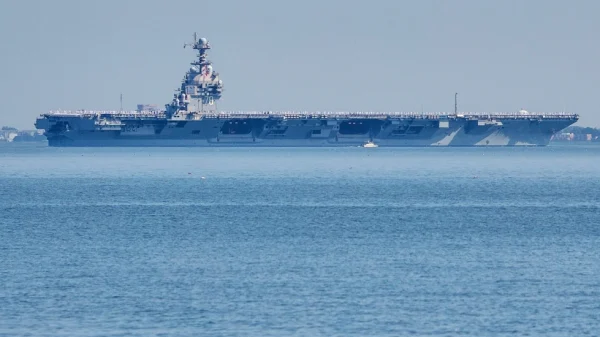
While the U.S. has increased military presence in nearby waters, Iran’s leverage over the shipping corridor continues to complicate Washington’s strategy. Energy analysts warn that any sustained disruption could have far-reaching consequences for global markets.
Economic and Political Ramifications in the U.S.
Rising fuel prices linked to Middle East tensions have added political pressure on the Trump administration. Public concern over inflation and energy costs has reportedly weakened confidence in the president’s economic management, including among segments of his own political base.
Observers note that foreign policy outcomes are increasingly intersecting with domestic political considerations, particularly ahead of upcoming electoral cycles.
Expert Analysis: A Strategic Stalemate
Foreign policy experts describe the current situation as a strategic impasse.
Some analysts argue that both Washington and Tehran believe time is working in their favor, with each side attempting to outlast the other through economic pressure and regional positioning.
Others suggest the U.S. strategy has reached its limits, noting that Iran has endured years of sanctions and continues to resist demands that go beyond previous international nuclear agreements.
Iran Responds With Defiance
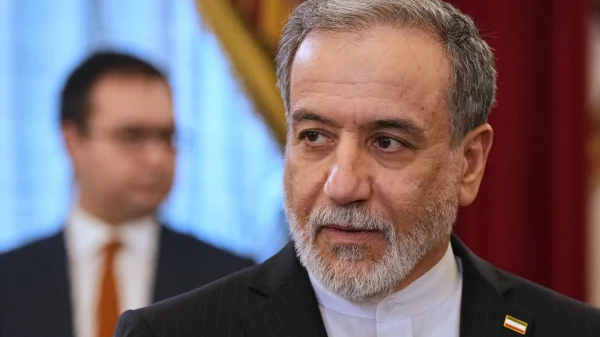
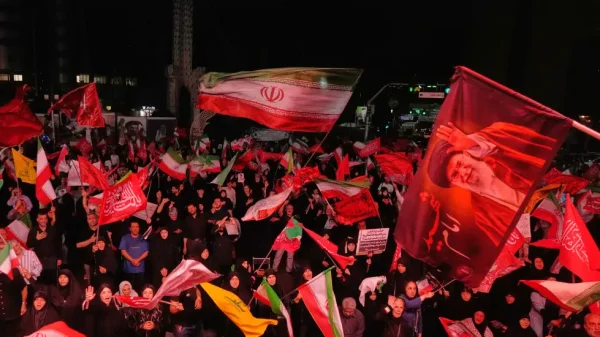
Iranian officials have responded to U.S. warnings with a mix of defiance and diplomatic signaling. Military advisers have stated that Iran remains prepared for escalation while still leaving room for negotiations.

The rhetoric underscores the fragile balance between confrontation and diplomacy as both sides publicly insist they are prepared for any outcome.
Outlook Remains Uncertain
With no clear resolution in sight, the situation between the United States and Iran continues to evolve along a narrow path between diplomacy and escalation. The Strait of Hormuz remains a critical pressure point, shaping both military calculations and global economic stability.
For now, both nations appear locked in a prolonged standoff where leverage is measured not only in military capability but also in economic endurance and political will.