























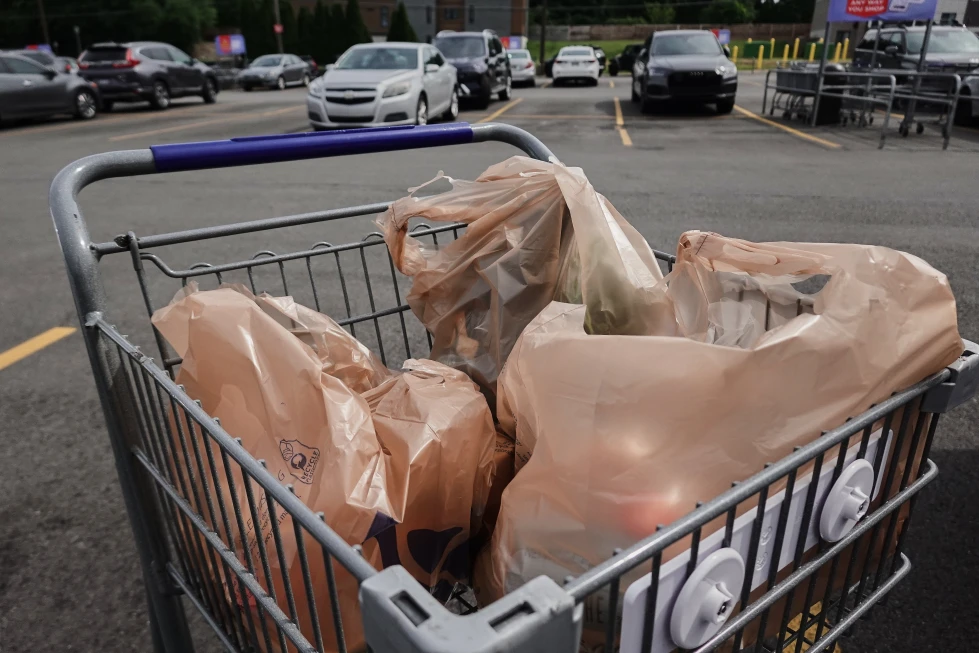
Plastic bags and other soft plastic packaging have become a part of everyday life, from grocery shopping to online deliveries. However, environmental experts warn that tossing these items into household recycling bins can do more harm than good.
Flexible plastics such as shopping bags, bread packaging, bubble wrap, and plastic overwrap are among the most difficult materials to recycle properly. While many people assume placing them in curbside recycling helps the environment, recycling facilities often struggle to process these materials.
Soft Plastics Create Major Problems for Recycling Plants
Unlike rigid plastics such as bottles or containers, thin plastic films can jam sorting machines and disrupt recycling operations. Once tangled in equipment, they can slow production, damage machinery, and increase operational costs for recycling centers.
Environmental specialists say this is one reason many curbside recycling programs specifically ban plastic bags and wraps.
At the same time, these plastics pose a growing environmental challenge. When sent to landfills, they can remain there for decades or even centuries while slowly breaking down into microplastics that contaminate soil and water systems.
According to U.S. environmental data, millions of tons of plastic bags and wraps are discarded annually, with most ending up in landfills rather than being recycled.
How to Identify Recyclable Plastic Films
Experts recommend checking packaging for the familiar recycling triangle symbol with a number inside it. Plastic films marked with the numbers 2 or 4 are typically made from polyethylene materials that may qualify for specialized recycling programs.
Common examples include:
- Grocery bags
- Bread bags
- Dry cleaning bags
- Bubble wrap
- Plastic wrap around paper towels or bottled water packs
However, not all soft plastics are recyclable. Some food packaging combines multiple layers of materials, making recycling nearly impossible through standard systems.
Throwing uncertain items into recycling bins — often called “wishcycling” — can contaminate recyclable materials and create additional waste management problems.
Use Store Drop-Off Bins Instead of Household Recycling
Many supermarkets and convenience stores offer dedicated collection bins for plastic bags and soft films. These materials are gathered separately and sent to specialized facilities where they can be converted into products such as outdoor decking, furniture, or storage containers.
Before dropping off plastics, experts advise making sure the items are:
- Clean and dry
- Free from food residue
- Not excessively torn or degraded
- Empty of receipts or paper labels
Some recycling companies and community organizations also accept soft plastics for reuse projects and manufacturing initiatives.
Reducing Plastic Use Can Make a Big Difference
Environmental advocates say one of the most effective solutions is simply reducing dependence on single-use plastics.
Simple changes include:
- Carrying reusable shopping bags
- Buying unpackaged produce when possible
- Choosing reusable food containers
- Shopping locally to avoid excess shipping materials
- Reusing existing plastic bags multiple times
Experts stress that small everyday actions can collectively reduce plastic waste significantly over time.
Reusing Plastic Bags Before Disposal
Instead of immediately throwing plastic bags away, households can reuse them for several purposes, including:
- Trash liners for small bins
- Carrying wet clothes or shoes
- Pet waste disposal
- Storage and organization
Giving plastic bags multiple uses helps extend their lifespan before they eventually enter the waste stream.
Growing Concerns Over Plastic Pollution
Global negotiations aimed at reducing plastic production have faced repeated setbacks, with major oil-producing nations resisting restrictions on plastic manufacturing.

As plastic consumption continues to rise worldwide, environmental experts say public awareness and responsible disposal habits remain critical in limiting pollution and protecting ecosystems.
While living completely plastic-free may not be realistic for most consumers, experts agree that informed recycling and reduced usage can still make a meaningful environmental impact.