









FOXBOROUGH, Massachusetts — Norway’s long-awaited return to the FIFA World Cup has been marked by more than just football. As the Scandinavian nation prepares for its first appearance at the tournament in nearly three decades, its players and supporters have embraced the country’s Viking heritage, creating a cultural spectacle that has generated both admiration and controversy.
Led by global football stars Erling Haaland and Martin Ødegaard, Norway has qualified for its first World Cup since 1998. To celebrate the achievement, the national team participated in a dramatic Viking-themed photoshoot featuring traditional costumes, shields, weapons, and longboats against the backdrop of Norway’s iconic fjords.
The campaign quickly attracted attention on social media after Haaland shared the images, describing the World Cup qualification as the realization of a dream nearly three decades in the making.
Viking Identity Becomes Part of Norway’s World Cup Story
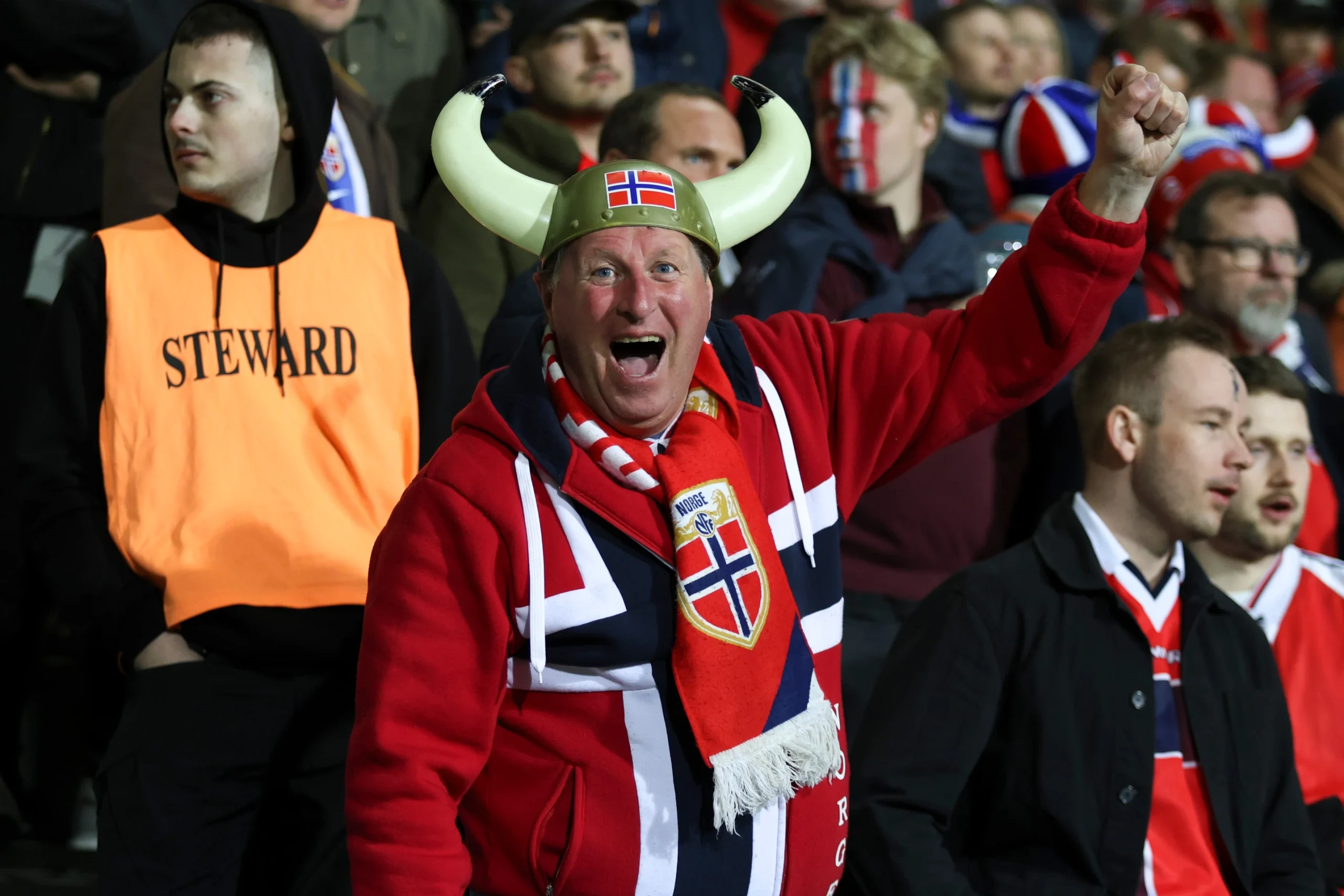
Norwegian supporters have also adopted a unique matchday tradition known as the “Viking Row.” During games, fans wearing Viking-inspired helmets move in synchronized rowing motions while following the rhythm of drums, creating a striking visual display in the stands.
The fan ritual is expected to feature prominently during Norway’s group-stage matches in the United States and has already drawn comparisons to Iceland’s famous “Thunder Clap,” which became a global phenomenon during the 2016 European Championship.
Football analysts believe Norway’s Viking-themed celebrations could become one of the defining fan experiences of the 2026 World Cup.
Team Management Supports Creative Campaign
Norway head coach Ståle Solbakken revealed that the idea originated from photographers working with the team. According to Solbakken, players and federation officials were largely supportive of the concept, which was ultimately approved and carried out as part of the nation’s World Cup promotion efforts.
The campaign aims to highlight Norway’s historical roots while building excitement around the national team’s return to football’s biggest stage.
Historical Symbolism Triggers Criticism
Despite its popularity among many fans, the Viking imagery has not been universally welcomed.
Critics argue that romanticizing Viking culture overlooks aspects of history associated with warfare, raids, and violence that took place during the Viking Age. Some Norwegian commentators have questioned whether the imagery sends the right message in a modern sporting context.
One columnist described the campaign as overly nationalistic, while others suggested that such symbols could be interpreted differently by various audiences.
However, supporters of the project view it as a celebration of national heritage rather than a political statement.
Charity Initiative Linked to Team Photos
The Viking-themed photographs were produced by renowned British photographer David Yarrow, who previously collaborated with Haaland on individual projects.
Reports indicate that proceeds from sales of the images will be directed toward charitable causes in Norway, adding a philanthropic element to the campaign.
Focus Remains on Football
While discussions surrounding the Viking branding continue, Norway’s primary objective remains success on the pitch. The team enters the tournament with one of its strongest squads in recent years and hopes to make a significant impact after a 28-year absence from the World Cup.

With a blend of elite talent, passionate supporters, and a distinctive cultural identity, Norway has already become one of the tournament’s most talked-about teams before its campaign has fully begun.