









U.S. President Donald Trump escalated tensions with Venezuela on Saturday, declaring that the airspace “above and surrounding” the country should be considered “closed in its entirety.” The statement, posted on Trump’s Truth Social account, raised immediate questions about whether the White House was announcing a new policy or amplifying existing pressure on Venezuelan President Nicolás Maduro.
The Maduro government swiftly condemned the declaration, calling it a “colonial threat” designed to undermine Venezuela’s sovereignty and territorial integrity. In a statement issued hours later, the country’s Foreign Ministry said Trump’s remarks were “hostile, unilateral and arbitrary,” and framed the message as part of Washington’s broader campaign against the socialist government in Caracas.
Uncertainty Over U.S. Policy Shift
The White House did not comment on Trump’s claim, leaving unclear whether “closing” Venezuelan airspace amounted to a formal policy directive or a rhetorical warning aimed at those operating in the region. Trump’s message specifically addressed “Airlines, Pilots, Drug Dealers, and Human Traffickers,” not the Venezuelan government itself.
For months, U.S. forces have increased military activity around Venezuela, conducting air and naval operations under a wider strategy to pressure Maduro. Since early September, U.S. strikes on small boats accused of smuggling narcotics in the Caribbean and eastern Pacific have killed more than 80 people, according to U.S. officials. The Pentagon has also deployed the USS Gerald R. Ford aircraft carrier and nearly a dozen Navy vessels as part of “Operation Southern Spear,” marking one of the largest U.S. regional buildups in decades.
FAA Warnings, Airline Cancellations
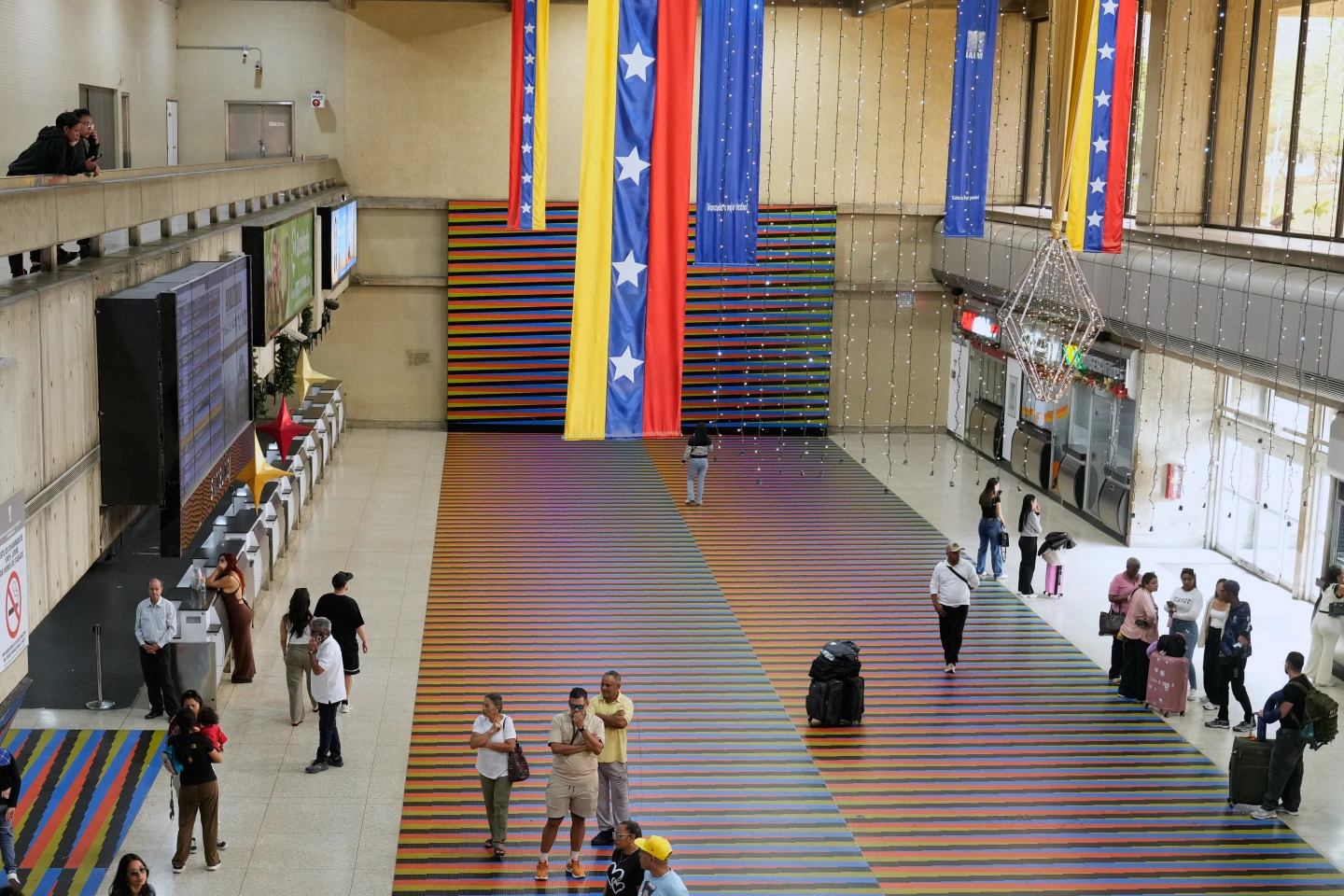
The Federal Aviation Administration (FAA) last week advised pilots to use extreme caution when flying near Venezuela due to increased military activity and a deteriorating security environment. Several international airlines subsequently suspended flights to Caracas and other destinations.
Although the FAA’s authority is usually limited to U.S. airspace, the agency regularly issues guidance for global aviation risks. Officials from the FAA and the International Civil Aviation Organization (ICAO) have not commented on Trump’s statement or any potential changes to international flight protocols.
Venezuela also claimed that the U.S. halted biweekly deportation flights of Venezuelan migrants, which had resumed this year after negotiations between the two governments. More than 13,000 Venezuelans have been returned on chartered flights in 2025.
Washington Ramps Up Pressure
The United States does not recognize Maduro as Venezuela’s legitimate president and accuses him of leading the Cartel de los Soles, which the U.S. recently designated a foreign terrorist organization. Maduro has denied all charges.
As military activity escalates, bipartisan concern is growing in Congress. Senators Roger Wicker and Jack Reed, the top lawmakers on the Senate Armed Services Committee, called for “vigorous oversight” after reports that Defense Secretary Pete Hegseth issued a verbal order directing U.S. forces to kill all crew members aboard a suspected drug-smuggling vessel destroyed on Sept. 2.
The Trump administration is reportedly considering multiple strategies toward Venezuela, including covert options. Meanwhile, The New York Times reported Friday that Trump and Maduro had held a private conversation — a claim the White House declined to confirm or deny.
Venezuela’s Response: Rallying Against ‘Imperialism’
Maduro’s officials framed Trump’s statement as an attack on national sovereignty, warning it represented an attempt to “close off” Venezuela from the world. State media portrayed the U.S. warnings as part of a broader “imperialist” narrative aimed at destabilizing the Venezuelan government.
Despite growing international pressure, Maduro has used past U.S. threats to strengthen internal loyalty and rally supporters behind anti-U.S. rhetoric. Saturday’s declaration appears to have renewed that strategy, with the government urging citizens to remain vigilant against what it described as foreign aggression.
As of late Saturday, neither U.S. nor Venezuelan authorities had issued clarification on the practical implications of Trump’s claim, leaving aviation, security analysts, and international observers watching closely for the next move.