










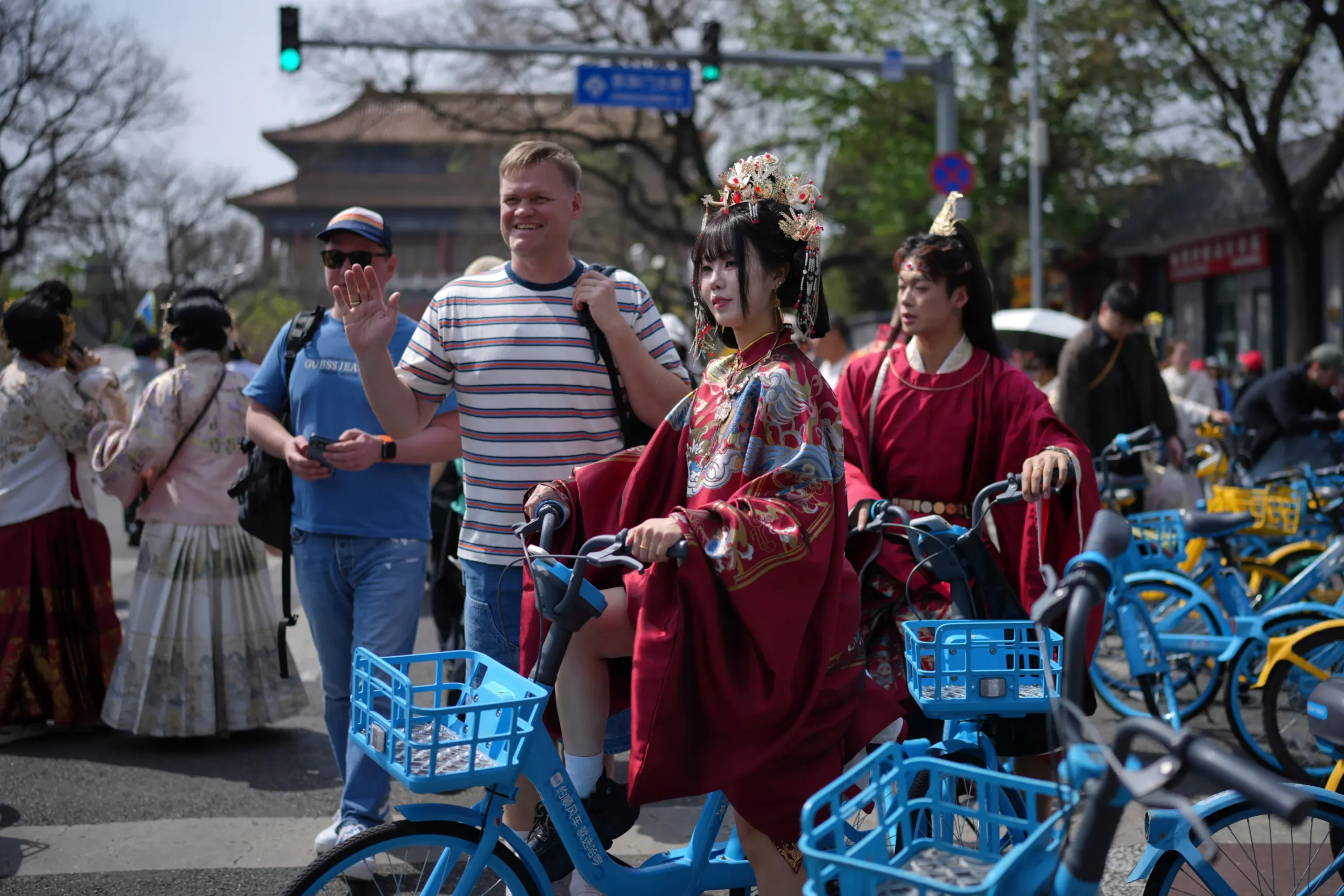
A viral social media trend dubbed “becoming Chinese” is rapidly gaining traction worldwide, highlighting a growing global fascination with Chinese culture and signaling a potential breakthrough moment for China’s soft power.
Across platforms like TikTok, young users are sharing videos embracing everyday Chinese habits—from drinking hot water with goji berries to enjoying traditional foods like dumplings, wearing indoor slippers, or showcasing visits to China’s high-tech cities. The trend, often referred to as “Chinamaxxing,” has attracted millions of views and widespread engagement.
From Policy to Pop Culture
For years, China has invested heavily in expanding its global influence through cultural diplomacy and state-backed initiatives. President Xi Jinping has repeatedly emphasized the importance of promoting Chinese culture abroad.
However, analysts say the current trend is different—it’s organic, driven by global audiences rather than government campaigns.
“This is a form of soft power that feels natural and accessible,” said Shaoyu Yuan, a scholar of global affairs. “Cultural influence grows stronger when people adopt it willingly through everyday experiences.”
Cultural Appeal Goes Mainstream
The viral meme reflects a broader surge in the popularity of Chinese culture and products worldwide. Chinese entertainment, fashion, and consumer goods are increasingly resonating with international audiences.
From hit films like Ne Zha 2 to blockbuster games such as Black Myth: Wukong, Chinese creative industries are gaining global recognition. Meanwhile, collectibles like Labubu toys and rising music trends are further expanding China’s cultural footprint.
Even digital tools have contributed to the trend. Chinese-developed mapping platforms are gaining attention online for their advanced features, reflecting the country’s growing influence in technology and innovation.
Social Media as a Catalyst
The role of platforms like TikTok—owned by Chinese tech company ByteDance—has been central to spreading the trend. Its algorithm-driven content discovery has enabled niche cultural practices to reach a global audience at unprecedented speed.
Chinese diplomats have also taken notice. Ambassador Xie Feng recently referenced the trend while encouraging more Americans to visit China, highlighting relaxed visa policies aimed at boosting tourism.
Mixed Reactions and Deeper Questions
Despite its popularity, the trend has sparked debate, particularly among Chinese diaspora communities. Some argue that the sudden embrace of Chinese culture contrasts sharply with past experiences of discrimination.
During the COVID-19 pandemic, many Asians reported increased racism and hostility in Western countries. Critics say that current enthusiasm for Chinese culture does not erase those experiences.
Others, however, see the trend as a positive step toward greater cultural understanding. Increased visibility, they argue, could help bridge cultural divides over time.
Built on a Broader Foundation
China’s rising soft power is also tied to its economic and technological growth. As a global manufacturing leader and a major player in industries like renewable energy and digital innovation, the country has strengthened its global presence.
Initiatives such as the Belt and Road Initiative and cultural programs like Confucius Institutes have aimed to expand influence abroad, though they have faced criticism in some regions.

Experts note that while government-led efforts have had mixed success, grassroots cultural trends like “becoming Chinese” may prove more effective in shaping global perceptions.
A Turning Point for Soft Power?
As the trend continues to spread, it underscores a shift in how cultural influence is built in the digital age. Rather than relying solely on official messaging, China’s global image is increasingly being shaped by everyday users and viral content.
Whether this moment marks a lasting transformation or a passing internet phenomenon remains to be seen. But for now, China’s cultural influence appears to be reaching new audiences in ways that official campaigns never fully achieved.