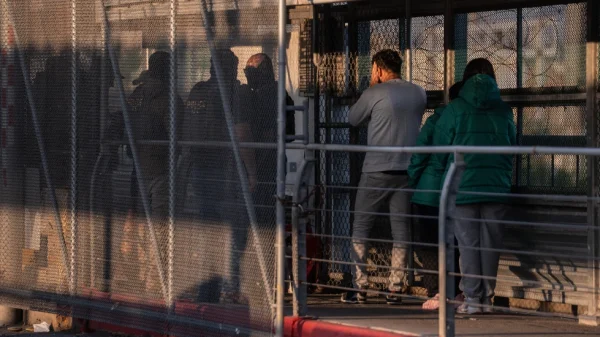






The Trump administration has rolled out a new round of stringent vetting procedures for individuals applying for H-1B visas, a move aimed at identifying applicants who may have participated in what the U.S. government describes as “censorship” of protected speech. An internal State Department directive revealed that involvement in activities restricting free expression could result in visa denial.
H-1B visas—widely used by U.S. technology firms to hire highly skilled foreign workers from countries such as India and China—remain vital for Silicon Valley and other tech hubs. Many leaders in the industry notably backed Trump during the most recent presidential election.
LinkedIn and Resume Checks Now Part of Visa Review
According to a cable distributed to U.S. diplomatic missions on December 2, consular officers are now required to examine applicants’ professional backgrounds through resumes, LinkedIn profiles, and other publicly available data. The review extends not only to primary applicants but also to accompanying family members.
The directive instructs officials to scrutinize prior employment in areas such as:
- misinformation and disinformation work
- content moderation
- fact-checking
- compliance roles
- online safety and security
“If evidence shows that an applicant engaged in or supported the censorship of legally protected speech in the United States, officers should pursue a finding of ineligibility under the Immigration and Nationality Act,” the memo states.
This enhanced focus on censorship-related activity in visa reviews has not been previously disclosed.
Policy Applies to All Visas, With Extra Scrutiny on the Tech Sector
While the new guidelines apply broadly across all visa categories, the State Department called for intensified checks on H-1B candidates, noting their frequent employment in the tech, social media, and financial services industries—sectors the administration accuses of suppressing certain political viewpoints.
“You must thoroughly investigate applicants’ work histories to ensure they had no involvement in such activities,” the cable adds. The policy applies to first-time and returning H-1B applicants alike.
A State Department spokesperson defended the policy, asserting that the administration opposes allowing “foreign nationals to come to the United States and act as censors silencing Americans.” The spokesperson referenced past instances in which Trump’s own social media accounts were restricted, arguing that such actions should not be repeated against the American public.
Free Speech at the Center of Trump’s Foreign Policy
The administration has positioned free speech as a core foreign policy issue, frequently criticizing European governments over actions it claims limit conservative or right-leaning viewpoints. Officials have voiced concerns about political restrictions in countries such as Germany, France, and Romania.
Earlier this year, Senator Marco Rubio warned that individuals involved in censoring Americans—particularly online—could face U.S. visa bans, suggesting that foreign regulators overseeing American tech platforms could be targeted.
Beyond H-1B visas, the Trump administration has tightened screening procedures for student visas as well, requiring officials to examine applicants’ social media activity for posts deemed hostile toward the United States.
The administration also introduced new H-1B fees in September as part of its broader immigration overhaul.
Trump and Republican allies have repeatedly accused the Biden administration of facilitating censorship on digital platforms, particularly regarding efforts to curb misinformation related to vaccines and elections.