



















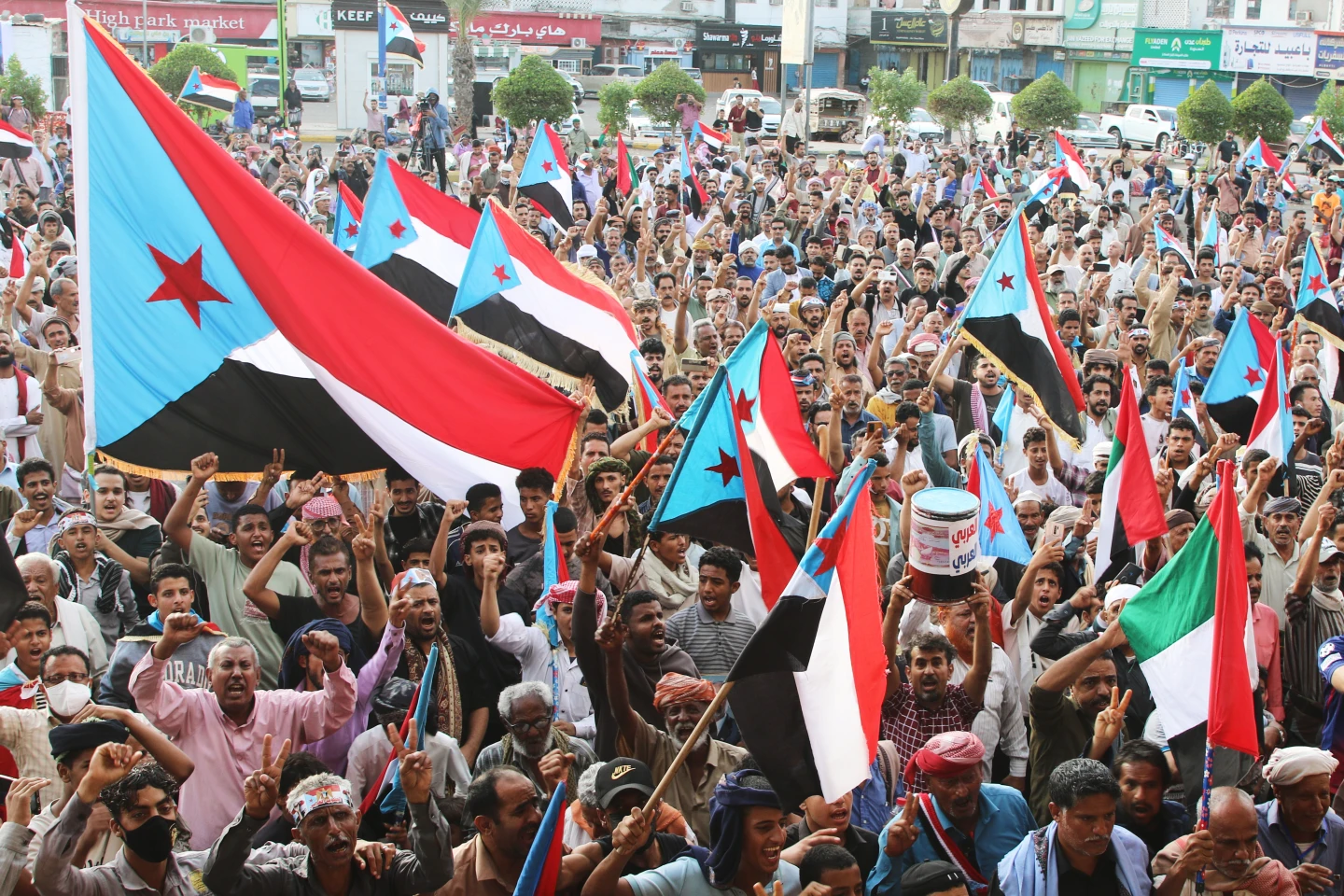
Aden, Yemen — Yemen’s southern separatist movement has announced a draft constitution for an independent southern state, a dramatic step that has intensified political and military tensions in the country’s already fractured conflict.
The move was revealed Friday by the United Arab Emirates–backed Southern Transitional Council (STC), which described the document as a foundation for restoring an independent nation in southern Yemen. The announcement marks the most explicit declaration yet of the separatists’ long-standing goal of secession, though it remains unclear whether the plan can be practically enforced or is largely symbolic.
Push Toward Southern Independence
In a televised address, STC President Aidarous al-Zubaidi said the newly issued constitution would remain in effect for two years, after which a public referendum would be held on southern self-determination. He called on political factions in both northern and southern Yemen to engage in dialogue during this interim period to determine a peaceful path forward.
Al-Zubaidi warned that if other parties reject the initiative or respond militarily, the STC would consider all options. The 30-article document proclaims the formation of the “State of South Arabia,” covering territory that once formed the People’s Democratic Republic of Yemen, which existed as an independent state until unification in 1990.
Fighting and Regional Rivalries Intensify
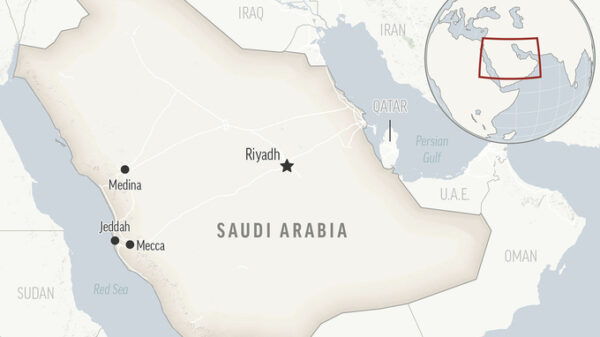
The declaration comes amid escalating clashes in southern Yemen that have exposed growing rifts within the Saudi-led coalition. Although Saudi Arabia and the UAE have long backed opposing Yemeni factions against Iran-aligned Houthi rebels in the north, recent developments suggest their alliance is under strain.
According to STC officials, Saudi warplanes carried out airstrikes on separatist positions in Hadramout province on Friday as Saudi-backed forces attempted to retake camps seized by the STC last month. Those confrontations followed the separatists’ takeover of two southern provinces and the presidential palace in Aden, forcing members of Yemen’s internationally recognized government to relocate to Riyadh.
Saudi-backed National Shield Forces reportedly advanced on STC-controlled sites, triggering clashes and airstrikes. Casualty claims from the fighting could not be independently verified.
UAE Withdraws Troops as Crisis Deepens
Against this backdrop, the UAE announced early Saturday that it had completed the withdrawal of all its troops from Yemen. Emirati officials said the pullout followed a previously announced plan to conclude remaining counterterrorism missions and was conducted in coordination with regional partners.
The UAE’s Foreign Ministry said Abu Dhabi was pursuing restraint and de-escalation, emphasizing regional stability despite the rapidly deteriorating situation. The withdrawal followed reports of Emirati military transport flights leaving Yemen in recent days.
Coalition Fractures and Diplomatic Strains
Saudi officials have accused the STC of refusing compromise and obstructing de-escalation efforts. Riyadh has demanded the separatists withdraw from Hadramout and Mahra provinces and hand over seized weapons and facilities—conditions the STC has so far rejected.
Tensions have also spilled into aviation and trade. Yemen’s transport ministry, aligned with the STC, said Saudi Arabia imposed new inspection requirements on flights to and from Aden International Airport, leading to the temporary suspension of flights between Aden and the UAE.
A Fragile Future for Yemen
The unfolding crisis threatens to further fragment Yemen, already devastated by more than a decade of war and humanitarian disaster. Analysts warn that the separatists’ constitutional declaration could derail efforts to prevent renewed civil war in the south while complicating regional power dynamics in the Gulf.
As clashes continue and political positions harden, Yemen’s prospects for unity—or even stability—appear increasingly uncertain.