










DUBAI, United Arab Emirates (AP) — Iran has returned to an uneasy calm following a wave of deadly protests, but tensions remain high as senior hard-line cleric Ahmad Khatami called Friday for the death penalty for detained demonstrators and directly threatened former U.S. President Donald Trump.
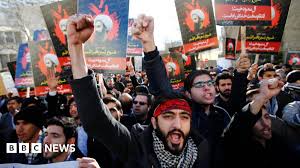
The demonstrations, which began December 28 over Iran’s struggling economy, escalated into a challenge to the Islamic Republic itself. Harsh government crackdowns have reportedly left thousands dead, effectively stifling public unrest in Tehran, where streets and shops have returned to outward normality. A week-long internet blackout remains in place, and no official reports of protests elsewhere in the country have emerged.
The U.S.-based Human Rights Activists News Agency reports at least 2,797 deaths, though the number is likely to rise.
Cleric Labels Protesters as “Trump’s Soldiers”
Khatami, a member of Iran’s Assembly of Experts and Guardian Council, used Friday prayers to denounce protesters as “butlers” of Israeli Prime Minister Benjamin Netanyahu and “Trump’s soldiers,” claiming they sought to “disintegrate the country.”
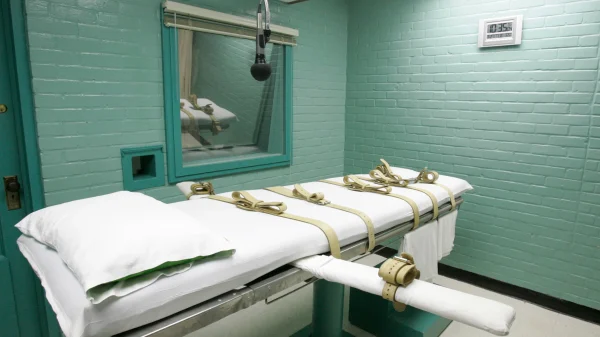
“They should wait for hard revenge from the system,” Khatami said, warning that “Americans and Zionists should not expect peace.” His fiery rhetoric underscores the deep anger within the regime toward both domestic dissent and foreign involvement.
Exiled Crown Prince Calls for U.S. Action
Iran’s exiled Crown Prince Reza Pahlavi urged the United States to honor its promise of support, describing Trump as “a man of his word.” Pahlavi has faced challenges gaining traction inside Iran but continues to position himself as a potential transitional leader if the regime falls.
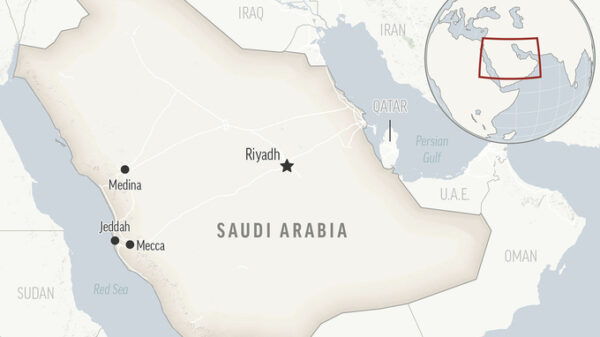
Meanwhile, the Trump administration warned that it may act if Iran carries out executions of detained protesters. Diplomatic efforts by countries including Egypt, Oman, Saudi Arabia, and Qatar have reportedly urged restraint, citing risks to global economic stability and regional security.
Regional and Global Response
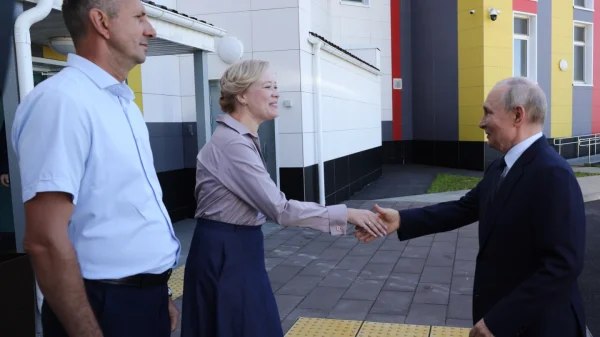
Amid rising tensions, Russian President Vladimir Putin spoke to both Iranian President Masoud Pezeshkian and Israeli Prime Minister Netanyahu, signaling Moscow’s concern about the situation. Russia had largely stayed quiet as Iran faced internal unrest, with the Kremlin focused on its ongoing conflict in Ukraine and the regional fallout from events in Syria, Venezuela, and Iran itself.
Damage from the Protests
Khatami provided initial statistics on the unrest’s impact, citing damage to 350 mosques, 126 prayer halls, and 20 other holy sites, along with 80 homes of Friday prayer leaders. Infrastructure including hospitals, ambulances, fire department vehicles, and other emergency services were also reportedly affected.
While domestic protests have quieted, thousands of exiled Iranians and supporters across Europe continue to demonstrate. Some Iranians have crossed into neighboring countries like Turkey to bypass the internet blackout and communicate with the outside world.
Eyewitnesses describe hearing heavy gunfire in Tehran during the unrest, with some reports indicating the use of machine guns.

A Deadly Toll Reminiscent of 1979
The reported death toll of nearly 2,800 exceeds that of any recent protests in Iran and recalls the turmoil of the 1979 Islamic Revolution. The numbers, provided by the Human Rights Activists News Agency, cannot be independently confirmed by AP. The Iranian government has not released official casualty figures.