











Minneapolis–St. Paul is experiencing a period of sustained tension as a large-scale federal immigration enforcement campaign reshapes daily life across the metropolitan area. The operation, involving thousands of federal officers, has triggered protests, disrupted neighborhoods, and reignited painful memories of past confrontations between residents and authorities.
Each morning begins the same way near Minneapolis–St. Paul International Airport, where federal agents gather before dawn. Convoys of unmarked SUVs, vans, and pickup trucks roll out swiftly, dispersing into Minneapolis, St. Paul, and nearby suburbs. For many residents, these vehicles have become an unsettling symbol of uncertainty, appearing without warning and vanishing just as quickly.
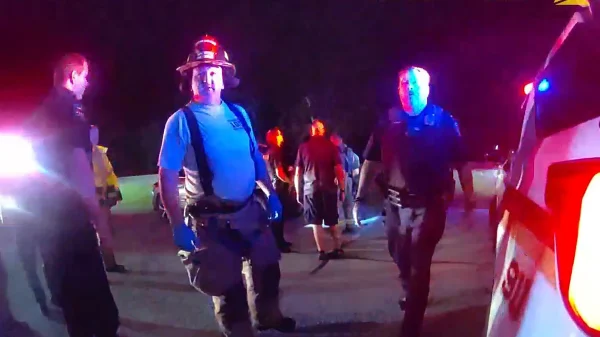
Across the street from the federal complex, demonstrators often arrive early despite frigid temperatures. Their chants—calling for immigration authorities to leave—echo as vehicles speed by. The confrontations tend to intensify in the evening when convoys return and emotions run higher. Some protests escalate into clashes, with officers deploying crowd-control measures such as tear gas and flash grenades, and making arrests before retreating behind secured fences.
The enforcement effort, known as Operation Metro Surge, is the Trump administration’s most aggressive immigration action in the region to date. More than 2,000 federal personnel are reportedly involved. City and state leaders have sharply criticized the operation, arguing that its scale overwhelms local infrastructure and undermines public trust.
Minneapolis Mayor Jacob Frey has described the federal presence as disproportionate for a city of its size. Unlike sprawling metropolitan areas such as Los Angeles or Chicago, Minneapolis can be crossed in minutes, making the visibility of federal operations unavoidable. The result has been widespread anxiety, particularly in immigrant communities.
That anxiety has altered daily routines. Parents keep children home from school or rely on remote learning. Congregations report lower attendance at religious services. In several immigrant-heavy commercial corridors, businesses have temporarily closed or restricted access. Along Lake Street—long a hub for newcomers—activists now patrol sidewalks, ready to alert neighbors if enforcement vehicles appear.
Restaurants and shops that once bustled with activity now operate behind locked doors, admitting customers cautiously or not at all. At community centers and malls serving Minneapolis’ large Somali population, signs posted at entrances warn that federal officers are not permitted inside without court orders.
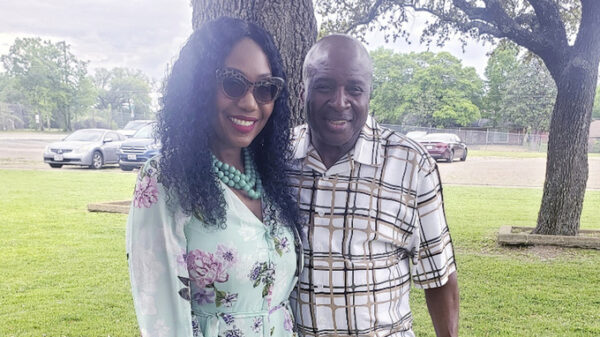
The crackdown has also revived memories of earlier trauma in a city still grappling with the legacy of George Floyd’s murder in 2020. That history looms large following the recent fatal shooting of Renee Good, a 37-year-old American citizen and mother of three, during a federal enforcement operation earlier this month. The incident occurred just blocks from where Floyd was killed.
Federal officials have said the officer involved acted in self-defense, claiming Good used her vehicle as a weapon. Local and state authorities have disputed that account, citing bystander videos that raise questions about the encounter. The shooting has intensified public outrage and drawn renewed scrutiny to federal tactics.
In the days since, protests have spread across the Twin Cities. Many demonstrations remain peaceful, marked by chanting and signs. Others devolve into heated confrontations, with protesters attempting to provoke officers and law enforcement responding forcefully. Federal vehicles have been damaged, windows shattered, and graffiti sprayed. Tear gas has become a frequent presence at protest sites.
Residents now routinely encounter intersections blocked by armored officers wearing gas masks, helicopters circling overhead, and the sharp sound of whistles used by activists to warn of approaching convoys. Detentions have included both immigrants and U.S. citizens, some held for days before release.
Despite the unrest, community solidarity has emerged as a defining feature of the response. Minnesota leaders, including Governor Tim Walz, have urged residents to channel anger into constructive action. He has called for neighbors to support one another in simple but meaningful ways—shoveling sidewalks, volunteering at food banks, or checking in on those who feel isolated.
That message has resonated. When protests turn chaotic, local residents often step outside their homes to distribute bottled water and help people recover from tear gas exposure. Volunteers stand near schools to warn parents if enforcement vehicles are nearby. Mutual aid networks deliver food, arrange transportation, and assist families too afraid to leave their homes.
In church basements and community centers, volunteers assemble grocery packages for households sheltering in place. Advocacy groups report a sharp increase in requests for help, particularly from families unsure how to navigate encounters with federal agents.
Some residents find themselves caught up in enforcement actions without understanding why. One suburban driver described being followed by unmarked vehicles while passing through Minneapolis. After refusing to comply with demands for documents without local police present, the situation escalated into a standoff that drew a crowd and ended with tear gas—before officers abruptly left, leaving behind a damaged car and lingering questions.

As Operation Metro Surge continues, the Twin Cities remain on edge. The federal government insists the crackdown is necessary, while local leaders warn it risks deepening divisions and provoking further unrest. For now, the region is defined by a fragile balance: visible enforcement, vocal resistance, and a community struggling to protect its sense of safety and solidarity amid unprecedented pressure.