























LONDON — Iranian drone strikes that damaged three Middle East facilities operated by Amazon Web Services (AWS) have underscored the growing exposure of critical digital infrastructure to armed conflict.
The attacks come amid escalating hostilities between Iran and Israel, with Israeli-U.S. airstrikes targeting Tehran and other strategic locations. As explosions echoed across the Iranian capital Tuesday evening, the fallout extended beyond military and political targets — reaching the backbone of the global internet economy.
Direct Hits in the UAE and Bahrain
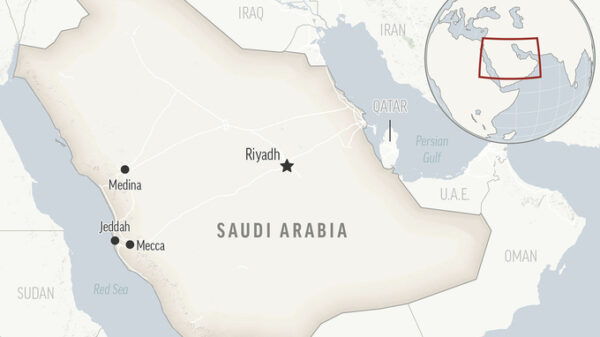
AWS confirmed that two of its data centers in the United Arab Emirates were “directly struck” by drones, while a third facility in Bahrain sustained damage after a drone landed nearby.
According to a company statement posted on its service health dashboard, the strikes caused structural damage and disrupted power systems. Fire suppression efforts led to additional water damage in parts of the facilities.
By late Tuesday, AWS said recovery work was underway and progressing at the affected UAE sites.
Despite the physical destruction, the company indicated that service interruptions were limited and largely localized. Unlike previous AWS outages tied to software failures — which have triggered widespread global disruptions — the impact from the drone attacks appears to have been contained within the affected regional infrastructure.
Why Data Centers Are Strategic Targets
AWS provides cloud infrastructure for governments, universities, multinational corporations, and startups worldwide. Its facilities form part of a vast global network of server farms that power everything from streaming services to banking systems and public sector operations.
The company operates 39 geographic regions globally, including three in the Middle East: the UAE, Bahrain, and Israel. Each region contains multiple “availability zones” — clusters of data centers designed to function independently while remaining interconnected through ultra-low-latency networks.
These facilities are engineered with redundant power, water, and telecom connections to maintain operations during emergencies. However, their defenses are primarily designed to deter unauthorized access — not withstand military-grade drone or missile strikes.
Industry Experts Warn of Capacity Strains
Technology analysts say the attacks serve as a stark reminder that cloud computing relies on physical infrastructure that can be damaged or destroyed.
“Cloud systems aren’t immune to real-world threats,” said Mike Chapple, an IT professor at the University of Notre Dame. “While losing a single data center is typically manageable, losing multiple facilities in the same region could strain capacity and disrupt operations.”
Chapple noted that availability zones are built to absorb isolated failures. However, simultaneous hits within the same geographic cluster could overwhelm backup systems if demand exceeds remaining capacity.
AWS has advised customers operating workloads in the Middle East to shift computing operations to other global regions and reroute digital traffic away from affected areas.
A Wake-Up Call for the Cloud Industry
The strikes highlight the rapid expansion of hyperscale data centers across geopolitically sensitive regions. As Gulf states invest heavily in digital transformation and artificial intelligence infrastructure, they are becoming hubs for cloud services — and, potentially, collateral damage in regional conflicts.
Data centers are massive, energy-intensive facilities that cannot easily be concealed. Their scale and strategic importance make them visible — and vulnerable — in times of war.

While AWS has not disclosed the total number of facilities it operates in each country, industry observers say the incident may prompt global technology firms to reassess geographic risk exposure and strengthen disaster recovery planning.
As warfare increasingly intersects with digital infrastructure, the resilience of the cloud is no longer just a technical issue — but a matter of geopolitical security.