













Security delays at major U.S. airports showed significant improvement on Monday after Transportation Security Administration (TSA) personnel began receiving long-overdue paychecks. The development brought relief to travelers who had endured hours-long waits during the ongoing government shutdown.
At Houston’s George Bush Intercontinental Airport, where passengers previously faced delays of up to four hours, wait times dropped dramatically to under 10 minutes. Similar improvements were reported at other high-traffic hubs, including Atlanta and Baltimore-Washington International Airport, signaling a gradual return to normal operations.
The easing of congestion follows weeks of disruption caused by unpaid TSA officers calling out of work. While the resumption of pay has encouraged many to return, union representatives say the financial damage suffered by workers remains severe.
According to the American Federation of Government Employees, many TSA staff members received only partial back pay, with some reporting missing overtime or incorrect amounts. Officials say the remaining payments are expected to be processed in the coming days. However, workers continue to face financial strain after weeks without income.
Union leaders also highlighted concerns about employees who were unable to report to duty during the shutdown due to lack of childcare or transportation. Updated agency policies have removed earlier provisions that allowed such absences, leaving some workers potentially facing disciplinary action.
The Department of Homeland Security funding lapse, which began in February, has affected multiple agencies beyond the TSA, including the Secret Service and the Federal Emergency Management Agency. The disruption raised fears of airport closures at its peak, as staffing shortages intensified across the aviation system.
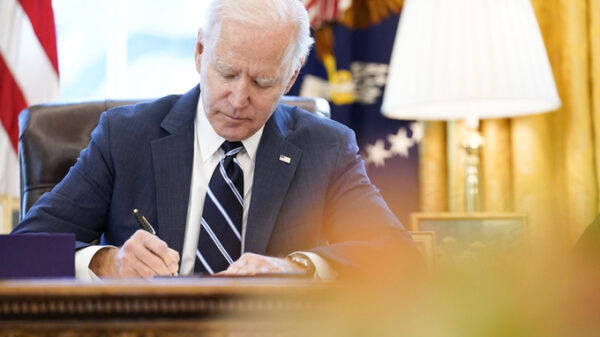
In response to mounting pressure, President Donald Trump ordered immediate payment for TSA officers last week in an effort to restore airport operations. However, the broader funding dispute remains unresolved, particularly over immigration enforcement policies tied to Immigration and Customs Enforcement (ICE).
Despite improvements in security line efficiency, ICE officers continue to maintain a visible presence at several airports. Federal officials say their deployment will depend on staffing stability within the TSA as the busy spring travel season continues.
Meanwhile, negotiations in Congress have stalled. Lawmakers remain divided over funding conditions, with Democrats pushing for stricter oversight of immigration enforcement practices. Proposed measures include requiring ICE agents to wear body cameras, identify themselves clearly, and avoid enforcement actions in sensitive locations such as schools and places of worship.
Republicans and the White House have indicated some willingness to negotiate, but no agreement has been reached. Congressional activity on the issue has been minimal, with no significant progress reported this week.
Union representatives are urging lawmakers to approve full funding for the Department of Homeland Security, warning that partial measures fail to address the broader impact on federal workers and national infrastructure.
As travelers begin to experience shorter wait times, uncertainty remains over how long the relief will last without a comprehensive resolution to the shutdown.