























Public schools across the United States are rethinking their heavy reliance on digital devices as educators, parents, and policymakers raise concerns about the impact of excessive screen exposure on students’ learning, focus, and mental well-being.
Only a few years ago, school districts nationwide were aggressively expanding access to laptops and tablets, driven by the belief that technology was essential for modern education. Today, however, many districts are scaling back digital learning programs after growing criticism that screens have become more distracting than beneficial in classrooms.
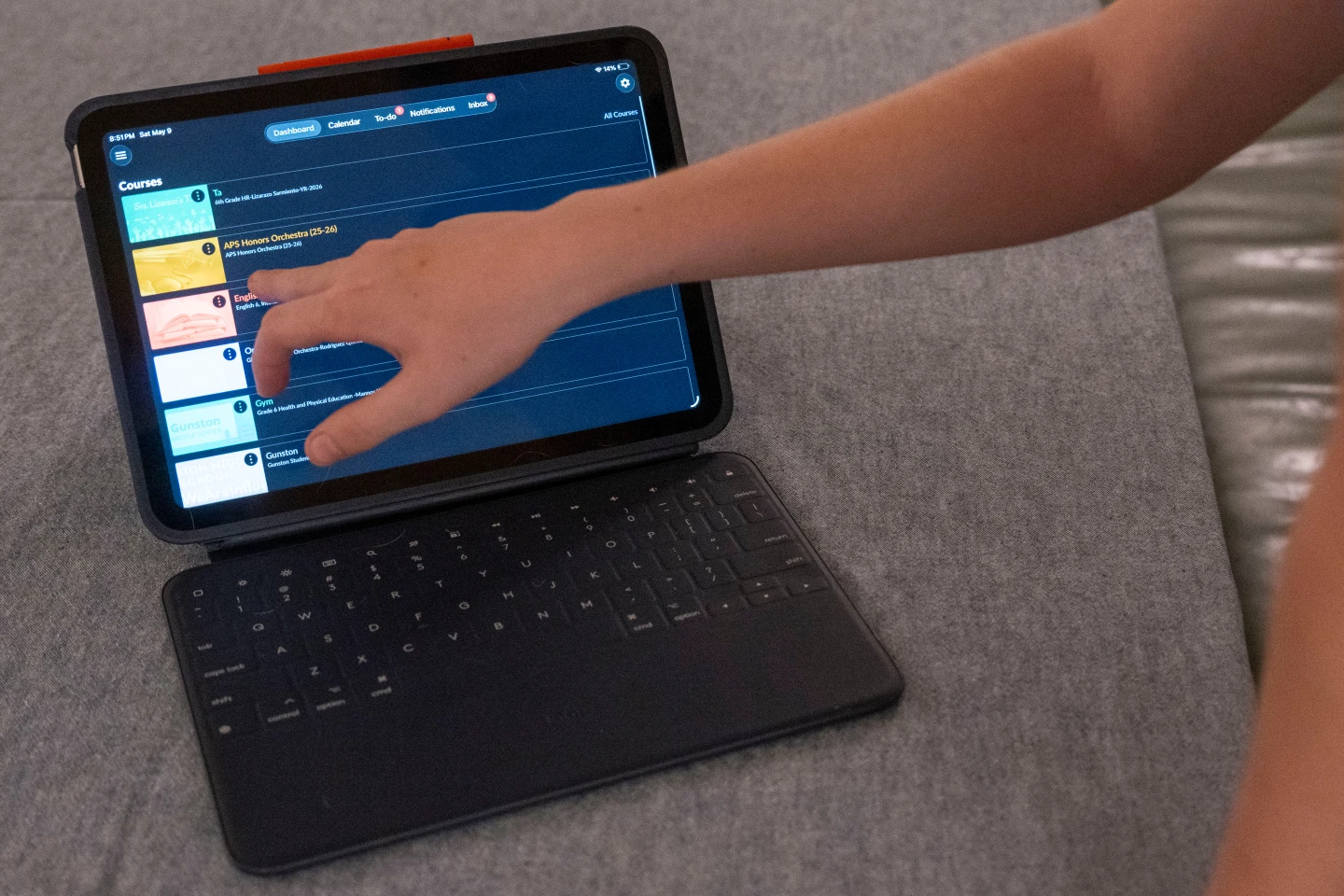
Teachers say devices such as Chromebooks and tablets often compete for students’ attention during lessons. While digital tools were introduced to improve access to education and bridge technological gaps, many educators now argue that online games, social media, and entertainment apps are undermining concentration and academic performance.
The shift in attitude is especially visible in California, where the Los Angeles Unified School District (LAUSD) has adopted one of the nation’s most restrictive school screen policies. Beginning this fall, the district will stop issuing devices to younger elementary students, impose daily screen-time limits for older grades, and restrict access to platforms such as YouTube on school-issued devices. Students in elementary and middle schools will also face tighter rules on device usage during lunch breaks and recess.
The policy marks a major turning point for one of the largest school systems in the country and reflects a wider national movement questioning whether classrooms have become overly dependent on technology.
Parents Push Back Against Constant Screen Exposure
Parent groups in several states have become increasingly vocal about the role of school-issued devices in children’s daily lives. Many families say they try to limit screen time at home, only to find students required to spend most of their school day online.
Concerns extend beyond academics. Parents report that students frequently use school laptops for streaming videos, gaming, social media browsing, and other non-educational activities. Some also worry that digital learning reduces reading habits, weakens handwriting skills, and affects social interaction among children.
Advocacy groups such as “Schools Beyond Screens” in Los Angeles have organized campaigns urging districts to return to textbooks, paper assignments, and more traditional classroom instruction. Similar movements are emerging in other states as communities debate the long-term effects of digital dependency in education.
Pandemic-Era Learning Accelerated Device Use
The rapid expansion of educational technology was largely fueled by the COVID-19 pandemic. When schools shifted to remote learning in 2020, districts rushed to provide students with laptops and internet access to maintain classroom instruction.
By the 2021–2022 academic year, nearly all U.S. public schools had distributed digital devices to students who needed them. This transformation also triggered massive growth in the educational technology industry, with schools investing heavily in online learning platforms, apps, and virtual classroom tools.
While many educators acknowledge that devices played a critical role during the pandemic, some now believe schools failed to establish healthy boundaries for technology use once students returned to classrooms.
School officials in Los Angeles say the current challenge is not whether technology should exist in schools, but how to use it effectively without harming student engagement and learning outcomes.
Districts Introduce New Restrictions to Cut Costs and Distractions
Several school systems are now limiting take-home devices for younger students or moving toward classroom-only technology access.
In California’s Fresno Unified School District, officials announced plans to stop allowing elementary students to take laptops home, partly because of rising repair and replacement expenses that reportedly cost the district millions of dollars annually.
Nearby Simi Valley Unified School District has also reduced home access to school devices for younger children after reports of inappropriate internet searches and excessive gaming activity.

Meanwhile, parents in communities such as Arlington, Virginia, and suburban Philadelphia are demanding the option to remove their children from mandatory digital learning programs altogether. Some families argue that there is insufficient evidence proving educational technology improves academic achievement, especially as national test scores continue to struggle.
Educators, however, acknowledge that fully removing technology from classrooms may not be realistic. Digital assignments, online testing systems, and educational software have become deeply integrated into modern teaching methods, particularly in middle and high schools.
Debate Over Technology in Education Continues
The growing backlash against classroom screens has also entered the political arena. Lawmakers in multiple states are considering legislation aimed at reducing student screen exposure during school hours. Health experts and child development advocates have increasingly warned about the effects of prolonged device use on attention spans, sleep, and emotional health among children and teenagers.
Despite criticism, many educators still believe technology can provide valuable educational opportunities when used carefully and in moderation. The debate now centers on finding a balance between digital innovation and maintaining healthy, focused learning environments.
As schools prepare for the next academic year, districts across the country are likely to face increasing pressure to redefine how technology should be used in classrooms — and how much screen time is too much for students.